Books Found in New Mexico Estates: What They're Actually Worth
By Josh Eldred · New Mexico Literacy Project · · Last verified October 2026
I clear book collections out of New Mexico homes for a living, and the question I hear most often is some version of: “Did I just find something valuable, or is this junk?” Usually it is a box pulled out of a closet during an estate cleanout, a move, or a downsize — old hardcovers, a few paperbacks, a smell of dust. Ninety-five percent of the time the answer is “these are reading copies, and the kindest thing is to keep them in circulation.” But every so often, in among the book-club editions and the water-stained paperbacks, there is a true first edition of a book that matters — and in New Mexico, those books are specific and knowable. This page is the field guide I wish every executor and family had before the dumpster got backed up to the garage.
It is organized the way the question actually arrives: if you found this, here is what it might be. I have put the real first-edition identification points in — the publisher, the year, the dust-jacket detail, the number line — because those points are the entire difference between a trophy copy and an everyday reading copy. None of this requires an appraiser to get started. It requires five minutes and a copyright page.
The short version: if you are clearing a home in the Albuquerque metro and you have found old books, you don’t have to sort them first. Keep whatever the family wants and text 505-250-3804 for a free pickup of the rest; every box is sorted by hand at the warehouse, and anything rare is researched before it’s listed.
The five-minute check: is this book even worth a second look?
Before we get to specific titles, here is the triage I run on every box, in order. It takes about five minutes per promising book and it filters out the vast majority of ordinary copies fast.
1. Open to the copyright page. That is the back of the title page. You are looking for two things: the words “First Edition” (or “First Printing”), and a number line — a row of numbers that usually runs something like 10 9 8 7 6 5 4 3 2 1. If that line still contains a 1, you are most likely holding a first printing. If the lowest number is a 2, or a 5, or a 9, it is a later printing of the same book, and later printings are worth a small fraction of a true first. Publishers handle this differently — some state “First Edition” and drop the statement on later printings; some only use the number line — but the number line is the single most useful thing on the page.
2. Look for the dust jacket, and find its price. On a 20th-century hardcover, the original dust jacket is usually most of the value — a first edition without its jacket can be worth a tenth of the same book with a clean one. Find the printed price, normally in a corner of the front flap. If someone has clipped that corner off (a “price-clipped” jacket, common when a book was given as a gift), that lowers the value and sometimes hides a point of issue. As you will see below, the price itself is frequently the detail that separates a first issue from a second.
3. Match the author and title to the New Mexico canon. This is where local knowledge pays. A worn copy of a common bestseller is just a worn copy. But a New Mexico estate is exactly the place a first edition of Bless Me, Ultima, or a Tony Hillerman debut, or a signed Frank Waters surfaces — because these were the books New Mexicans bought, were given, and kept. The roster below is the one I check against every time.
4. Be honest about condition. Collectors grade hard. Ex-library copies (stamps, a card pocket, a spine label, a cellophane cover) sell at a steep discount no matter how rare the title. Water damage, broken hinges, a cracked spine, writing in the margins, a musty smell that will not air out — all of it matters. The same first edition can be a trophy or a reading copy depending entirely on the jacket and the shelf wear.
5. Check for a signature. Look at the title page and the front endpapers. A genuine author signature — and especially a dated inscription, or an “association copy” inscribed to someone connected to the author — can multiply the value of a book. New Mexico had a dense, sociable literary world, so signed and inscribed copies turn up here more than you would expect. They also get faked, so a real signature is worth confirming before anyone celebrates.
That is the whole triage. Now the part you came for: the specific books, and what to do if one of them is sitting in the box in front of you.
If you found one of these, slow down
These are the New Mexico books I most want a family to catch before the recycling truck comes. They are ordered roughly by how often a genuine first slips through unnoticed — which is not the same as how famous the book is. Each entry tells you how to know what printing you are holding, because that is the whole game.
Rudolfo Anaya — Bless Me, Ultima (1972)
This is the one. Bless Me, Ultima is the most important novel ever written by a New Mexican, and its first edition is the holy grail of New Mexico book collecting. It was published in 1972 by Quinto Sol Publications, a small Chicano press in Berkeley — not a New York house — and that small-press origin is exactly why a first is scarce. Here is the wrinkle that trips up nearly everyone: Quinto Sol issued the book simultaneously in hardcover (black cloth boards, silver spine lettering) and in paperback wraps. Both are 1972 firsts. The legendary point of issue is on the dust jacket of the hardcover: the paperback’s $3.75 price was mistakenly printed on the hardback jacket and quickly corrected to $6.75, so a hardback in a $3.75 jacket is the true first-issue rarity. The book runs 248 pages with illustrations by Dennis Martinez. A clean hardcover first in the first-issue jacket is a four-figure trophy; the paperback first is a serious collectible in its own right; and a signed copy — Anaya was generous with his signature for decades — is a centerpiece. Even later printings and the 1994 Warner mass-market edition have steady value because the book is taught everywhere. If a New Mexico estate has one book worth stopping for, it is this one. Full Anaya collecting guide here.
Tony Hillerman — The Blessing Way (1970) and the early Leaphorn novels
Hillerman is the most collected author with deep New Mexico roots, and his debut is the key book. The Blessing Way (Harper & Row, 1970) introduced Joe Leaphorn and was published in the Joan Kahn “Harper Novel of Suspense” series. A first prints “FIRST EDITION” on the copyright page with a number line ending in 1, and wears a dust jacket designed by Mozelle Thompson with a black-and-white author photo on the back. Because nobody knew in 1970 that Hillerman would become a phenomenon, the first printing was small — which is why a clean jacketed first is a solid four-figure book. His third novel, Dance Hall of the Dead (1973), won the Edgar and is the other early one to grab. The mass-market paperbacks and the dozens of later Leaphorn & Chee titles are common reading copies, so the value is concentrated in those first three hardcovers in jacket — and in signed copies, which are not rare because Hillerman signed widely at Albuquerque events for thirty years. See the full Hillerman canon guide, or the Hillerman sell-or-donate page.
N. Scott Momaday — House Made of Dawn (1968)
Momaday grew up partly at Jemez Pueblo, and his debut novel won the 1969 Pulitzer Prize for Fiction — the book most historians credit with opening the Native American literary renaissance. The first edition is Harper & Row, 1968, stating “FIRST EDITION” on the copyright page. The points to confirm: red cloth backstrip over gray paper-covered boards, titled in silver, with a red topstain; a dust jacket by David McIntosh; and a first-issue jacket carrying the “0668” code and the $4.95 price on the front flap. The book runs 212 pages. Because it won the Pulitzer the year after publication, the market separates sharply between a genuine 1968 first and the many post-prize printings that followed, so the copyright page and that $4.95 jacket are what you check. A jacketed first is a four-figure book; a signed first is a trophy. Full Momaday guide.
Leslie Marmon Silko — Ceremony (1977)
Silko grew up at Laguna Pueblo, and Ceremony is one of the defining novels of that renaissance. The first edition was published in 1977 as “A Richard Seaver Book” by The Viking Press, 262 pages. There are recognized dust-jacket states — later jackets added a block of review quotes (“Some Comments On: Ceremony”) to the rear flap — so the cleaner early-state jacket matters to collectors. A first in jacket is a strong mid-to-upper collectible, and a signed first is well above that. Silko’s scarcer early item is the small poetry chapbook Laguna Woman (Greenfield Review Press, 1974), which predates Ceremony and is genuinely hard to find. If a Laguna or Albuquerque estate has Silko, look for that chapbook as carefully as for the novel. Full Silko collecting guide.
Oliver La Farge — Laughing Boy (1929)
La Farge was a Santa Fe writer and Native-rights advocate, and Laughing Boy — a Navajo love story — won the 1930 Pulitzer Prize. The first edition is Houghton Mifflin, 1929, and it has some of the most useful points of issue in the whole New Mexico canon. A true first has 1929 on both the title and copyright pages; the publisher’s pan-and-dolphin device on the title page printed in red, not black; and a rust-red topstain on a text block measuring about 5¼ inches (later printings drop the topstain and trim narrower). The first-state dust jacket’s front flap begins “Riding over the desert comes Laughing Boy.” Scarcer copies still carry the “Pulitzer Prize” wraparound belly band. A first in a first-state jacket is a four-figure trophy; the red dolphin and the topstain are what separate it from the common later printings that look almost identical on the shelf. Full La Farge guide.
Frank Waters — The Man Who Killed the Deer (1942)
Waters lived near Taos, and The Man Who Killed the Deer — his novel of Taos Pueblo life — is his most collected book and a pillar of Southwest literature. The first edition is Farrar & Rinehart, 1942, 311 pages, identified by the Rinehart colophon on the copyright page and no statement of a later printing; the original dust jacket carried a $2.50 price. It was reprinted many times (a second edition in 1965, a third in 1971, and the long-running Swallow Press paperbacks), so a true 1942 first in jacket is genuinely uncommon and is the one to catch. There is also a Northland Press limited edition signed by Waters in an edition of 1,250 numbered copies — a handsome, very collectible object in its own right. Full Waters guide.
Paul Horgan — Great River (1954) and Lamy of Santa Fe (1975)
Horgan is New Mexico’s two-time Pulitzer historian. Great River: The Rio Grande in North American History (Rinehart, 1954) was issued as a two-volume boxed set — Volume 1 “Indians and Spain,” Volume 2 “Mexico and the United States” — and won the 1955 Pulitzer Prize for History (and the Bancroft Prize). For collectors, completeness is everything here: both volumes, ideally in the original slipcase with both jackets. He won a second Pulitzer for History in 1976 for Lamy of Santa Fe (Farrar, Straus and Giroux, 1975), the biography of the archbishop who inspired Willa Cather. Both are substantial, handsome books that turn up in New Mexico libraries; a complete jacketed Great River set and a first of Lamy are the collectible forms. Full Horgan guide.
Cormac McCarthy — Blood Meridian (1985) and the Border Trilogy
McCarthy lived for decades in the Southwest and wrote his greatest book about the borderlands. Blood Meridian (Random House, 1985) states “First Edition” on the copyright page above the Random House number line 2 4 6 8 9 7 5 3; it is bound in crimson quarter cloth over red boards with a gilt spine. The first-state jacket carries Salvador Dalí’s painting “The Phantom Cart” on the front, an author photo by Mark Morrow on the back, the $17.95 price on the front flap, and the code “3/85” on the rear flap. The first printing was small — reportedly about 5,000 copies — before the book’s reputation exploded, which is why a clean jacketed first is now a four-figure-and-climbing trophy. His All the Pretty Horses (Knopf, 1992) won the National Book Award and opens the Border Trilogy; The Road (Knopf, 2006) won the 2007 Pulitzer. Signed McCarthy is scarce and valuable — he rarely signed. Full McCarthy guide, or the McCarthy sell-or-donate page.
Willa Cather — Death Comes for the Archbishop (1927)
Cather’s great New Mexico novel, set around Archbishop Lamy’s Santa Fe, was published by Alfred A. Knopf in 1927. The ordinary trade first is collectible in a clean jacket, but the prize is the signed limited edition Knopf issued alongside it — a larger, finer printing limited to a few hundred copies and signed by Cather. Cather is a major American author with a deep collector base, so even the trade first in a bright jacket is a four-figure book, and the signed limited is well beyond that. Because the book has never been out of print, the shelves are full of later printings and book-club editions that look similar — so the 1927 Knopf imprint and the jacket are what you confirm. Full Cather guide.
Harvey and Erna Fergusson — the Albuquerque first family of letters
The Fergussons were an old Albuquerque family, and two of them wrote books worth knowing. Harvey Fergusson wrote the Rio Grande novels — The Blood of the Conquerors (Knopf, 1921), Wolf Song (Knopf, 1927), In Those Days — in handsome Knopf firsts that turn up in Albuquerque estates more than anywhere else on earth. His sister Erna Fergusson, “the First Lady of New Mexico letters,” wrote Dancing Gods (Knopf, 1931), the classic account of Pueblo and Navajo ceremony, plus Our Southwest and a shelf of travel books. None of these are blockbuster-priced, but clean jacketed Knopf firsts of the Fergussons are squarely collectible, they are distinctly local, and they are exactly the kind of book a chain thrift throws in the bin without a glance. Harvey Fergusson guide · Erna Fergusson guide.
D.H. Lawrence, the Taos colony, and the small-press surprises
Two more categories worth a careful look. First, the Taos and Santa Fe colony: D.H. Lawrence wrote at Kiowa Ranch above Taos from 1922 to 1925, and books from that circle — Lawrence firsts, Mabel Dodge Luhan’s Lorenzo in Taos, Witter Bynner, Spud Johnson’s Laughing Horse — carry real value and a strong local story. Second, the New Mexico fine-press and small-press books: the Rydal Press in Santa Fe, the Writers’ Editions cooperative of the 1930s, and limited editions from presses like Lightning Tree and Sunstone produced beautifully made, low-print-run books that look unremarkable to a non-collector and are quietly valuable. If a book is slim, well-printed, and says “Santa Fe” on the imprint, do not assume it is nothing. The Taos & Santa Fe colony guide and the New Mexico small-press guide cover both in depth.
A second tier worth checking before the bin
The names above are the headliners, but a New Mexico estate holds a second tier of genuinely collectible books that almost never get recognized — partly because the authors are quieter, partly because the books look plain. These are the ones I most often rescue from a “donate or dump” pile that someone else had already written off.
Peggy Pond Church — The House at Otowi Bridge (1960). Church grew up on the Pajarito Plateau, and her quiet classic about Edith Warner and the coming of Los Alamos is one of the most beloved New Mexico books in print. The University of New Mexico Press first edition in jacket is a steady collectible, and signed copies turn up around Santa Fe and Los Alamos because she lived and read there for decades. A slim, unassuming book that locals treasure — exactly the profile that fools a chain thrift. More on Church here.
Conrad Richter — The Sea of Grass (1936) and The Town (1950). Richter wrote his major fiction from Albuquerque. The Sea of Grass (Knopf) is his New Mexico novel; The Town won the 1951 Pulitzer Prize for Fiction as the close of his Ohio trilogy. Knopf firsts in clean jackets are collectible, and his name is exactly obscure enough now that his books get mis-shelved as ordinary mid-century fiction. More on Richter here.
Eugene Manlove Rhodes — the cowboy novels. Rhodes is the patron saint of New Mexico cowboy fiction; he helped popularize the phrase “Land of Enchantment.” His early-1900s Henry Holt and Houghton Mifflin firsts — Good Men and True, Pasó por Aquí, The Proud Sheriff — are scarce, fragile, and squarely collectible, and his name on a worn spine is one most estate sorters do not know. More on Rhodes here.
The regional cookbooks and the ephemera. Do not skip the kitchen shelf. Fabiola Cabeza de Baca’s Historic Cookery and The Good Life, Cleofas Jaramillo’s The Genuine New Mexico Tasty Recipes, and the saddle-stitched promotional cookbooks like Cocinas de New Mexico are some of the hardest New Mexico printed material to find precisely because they were used, splashed, and thrown out. A clean early one is a real collectible. The New Mexico cookbook collecting guide covers the whole tradition — and it is the single category most likely to get dumped unexamined.
The pattern across this whole second tier is the same: the book is slim or plain, the author is locally famous but nationally quiet, and the value lives in a clean first in jacket that an outsider would never look at twice. That is the exact gap between what a New Mexico estate actually contains and what a national chain thrift will recognize.
What separates treasure from recycling
Two copies of the exact same first edition can be worth a hundred times apart. Here is what moves a book from one pile to the other, in the order collectors weigh it.
The dust jacket, first and always. For a 20th-century hardcover, a clean, unclipped, original dust jacket is usually the majority of the value. A first edition that has lost its jacket is a reading copy with a good story. If you find a jacketed first, protect it — do not let it ride loose in a box.
First printing, not just first edition. “First edition” and “first printing” are not the same thing once a book has gone back to press. The number line is your friend here. A stated first edition with a number line that begins at 1 is what collectors mean by a true first.
Condition, graded honestly. The trade grades from “as new” down through fine, very good, good, and on to “reading copy.” Each step down is a real cut in value. Sun-faded spines, bumped corners, foxing, a cracked hinge, an owner’s name on the endpaper — none of it is fatal, but all of it counts.
The killers. A few things knock a book down hard no matter how rare it is: ex-library markings (stamps, pockets, taped jackets), water damage and the musty smell that comes with it, a price-clipped jacket, and amateur “repairs” with tape. Never tape a torn jacket or page — it does more harm than the tear.
The multipliers. A genuine signature, a meaningful inscription, an author’s association copy, or a scarce first-issue point (the red dolphin on Laughing Boy, the $3.75 jacket on Ultima) can lift a book far above the ordinary first. This is where local knowledge earns its keep.
What I actually see in Albuquerque estate donations
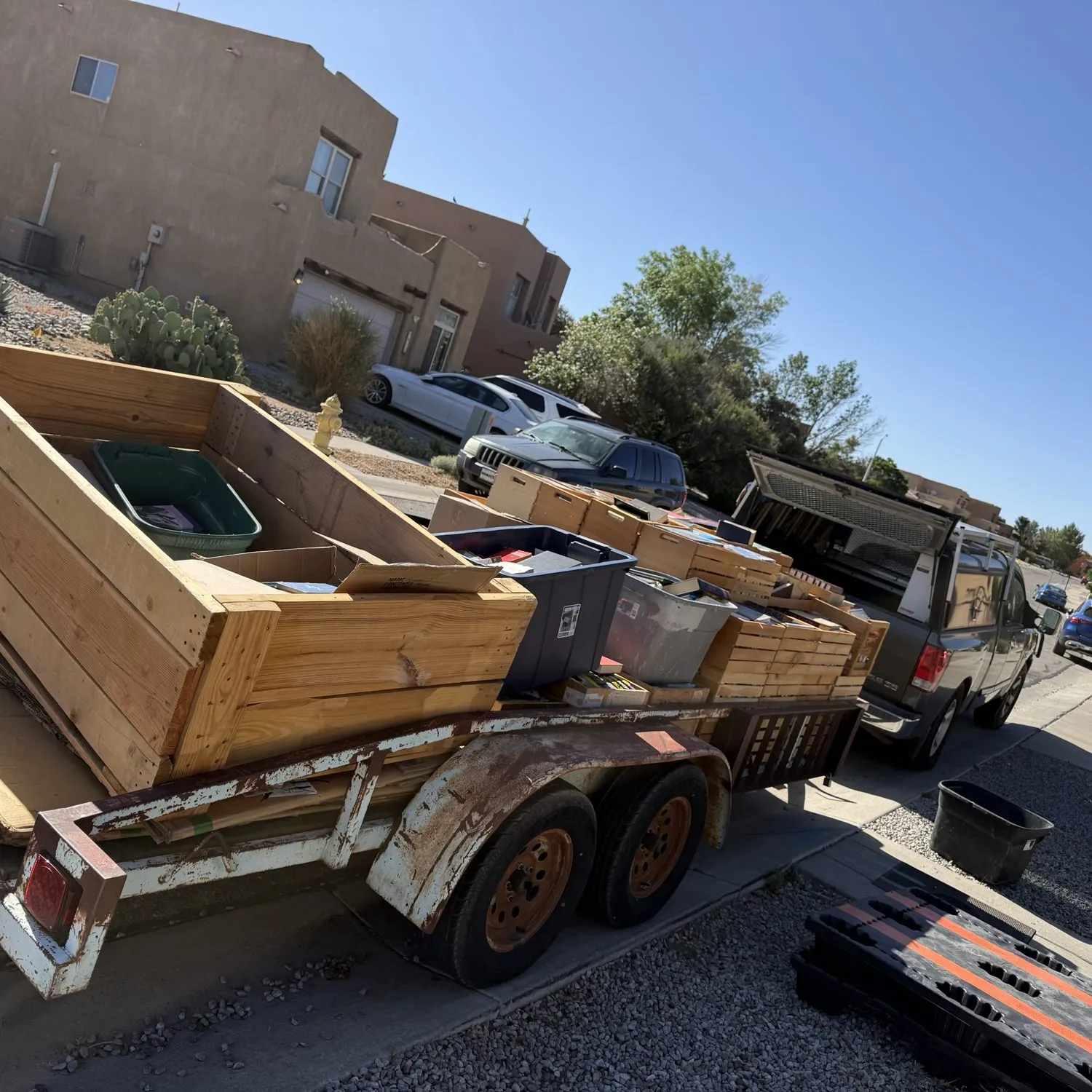
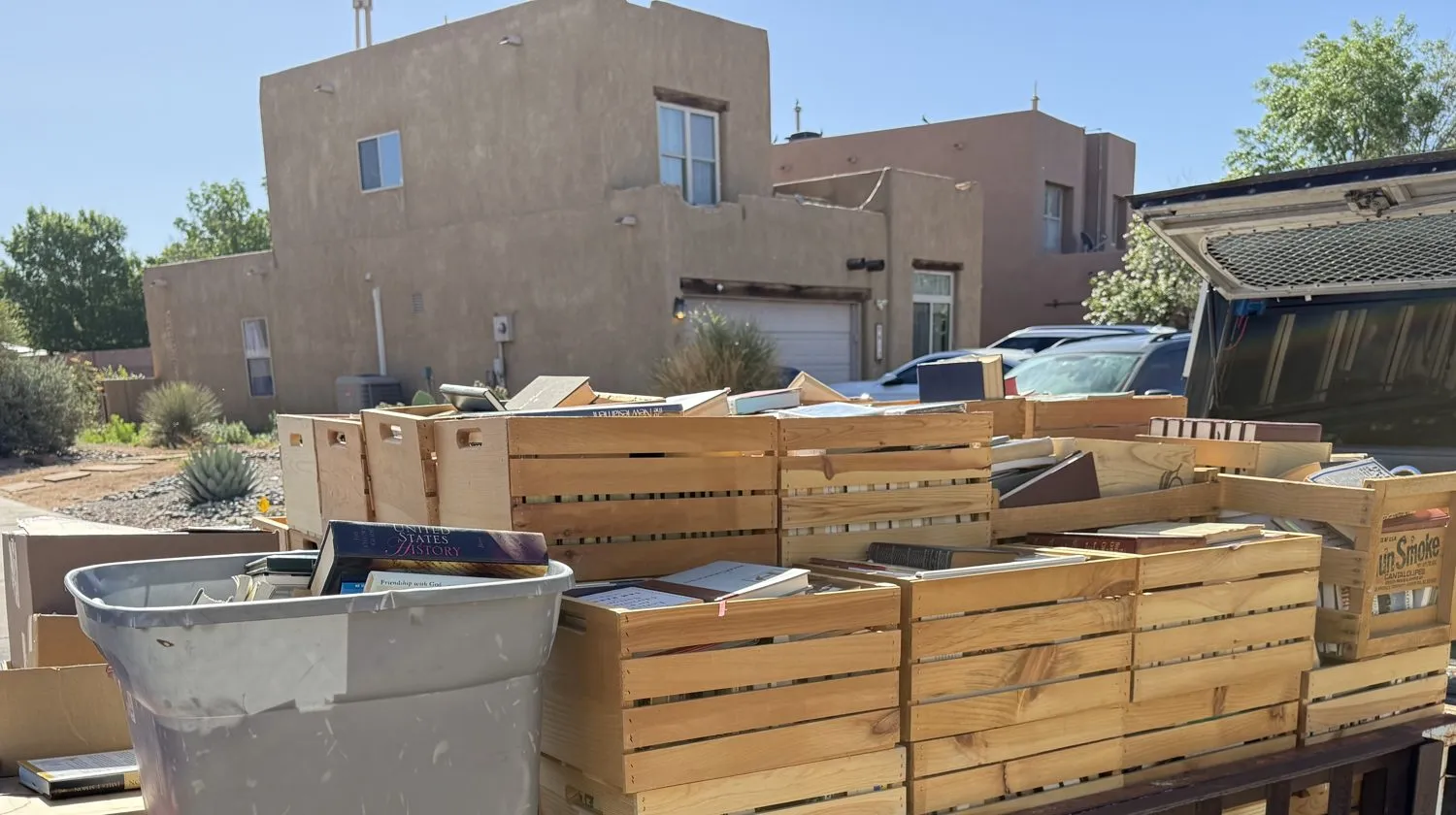
I want to be honest about the odds, because the internet makes everyone think their grandmother’s books are a retirement fund. They usually are not. In a typical New Mexico estate, the overwhelming majority of the books are reading copies — book-club editions, mass-market paperbacks, Reader’s Digest condensed sets, ex-library hardcovers, and beloved bestsellers from the 1960s through the 1990s that were printed in the millions. Those have little resale value not because they are bad books, but because so many survive. The kindest and most useful thing to do with them is keep them in circulation: they become someone else’s next read, or they go free to a Little Free Library or a community literacy partner, instead of the landfill.
But the gems are real, and they hide in exactly these boxes. The reason is simple: New Mexicans bought New Mexico books. A house in the North Valley or off Central or up in the foothills, lived in by a reader for forty years, is precisely where a first-edition Bless Me, Ultima, a jacketed Hillerman debut, a signed Frank Waters, or a complete Great River set quietly waits. The tragedy is that these books look ordinary on the shelf — a plain spine, a little shelf-worn — and in a general thrift stream, where the goal is fast retail turnover, they are easy to miss. That is the gap I exist to close.
So here is my standing offer to anyone clearing a home in the Albuquerque metro. Before you haul the books off — before the estate sale, before the dumpster — flip through for letters and family papers, keep what matters, and let the rest go to someone who knows the New Mexico canon. I do free pickups anywhere in the metro, I take everything in any condition with no sorting required, and every book is sorted by hand at the warehouse. What has value gets a proper second life with a buyer who wants it; the children’s books go free to community literacy partners and Little Free Libraries; and no readable book goes to waste.
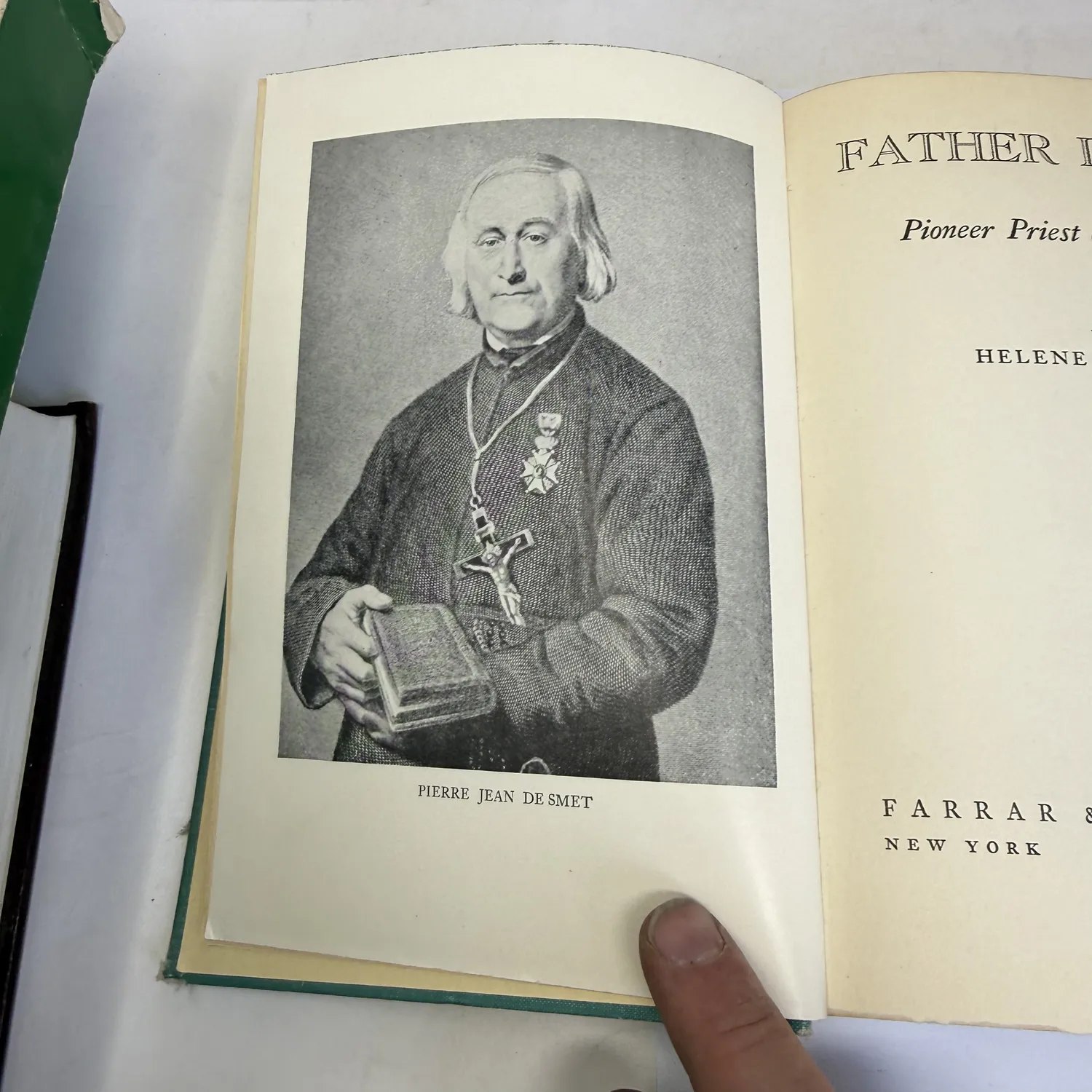
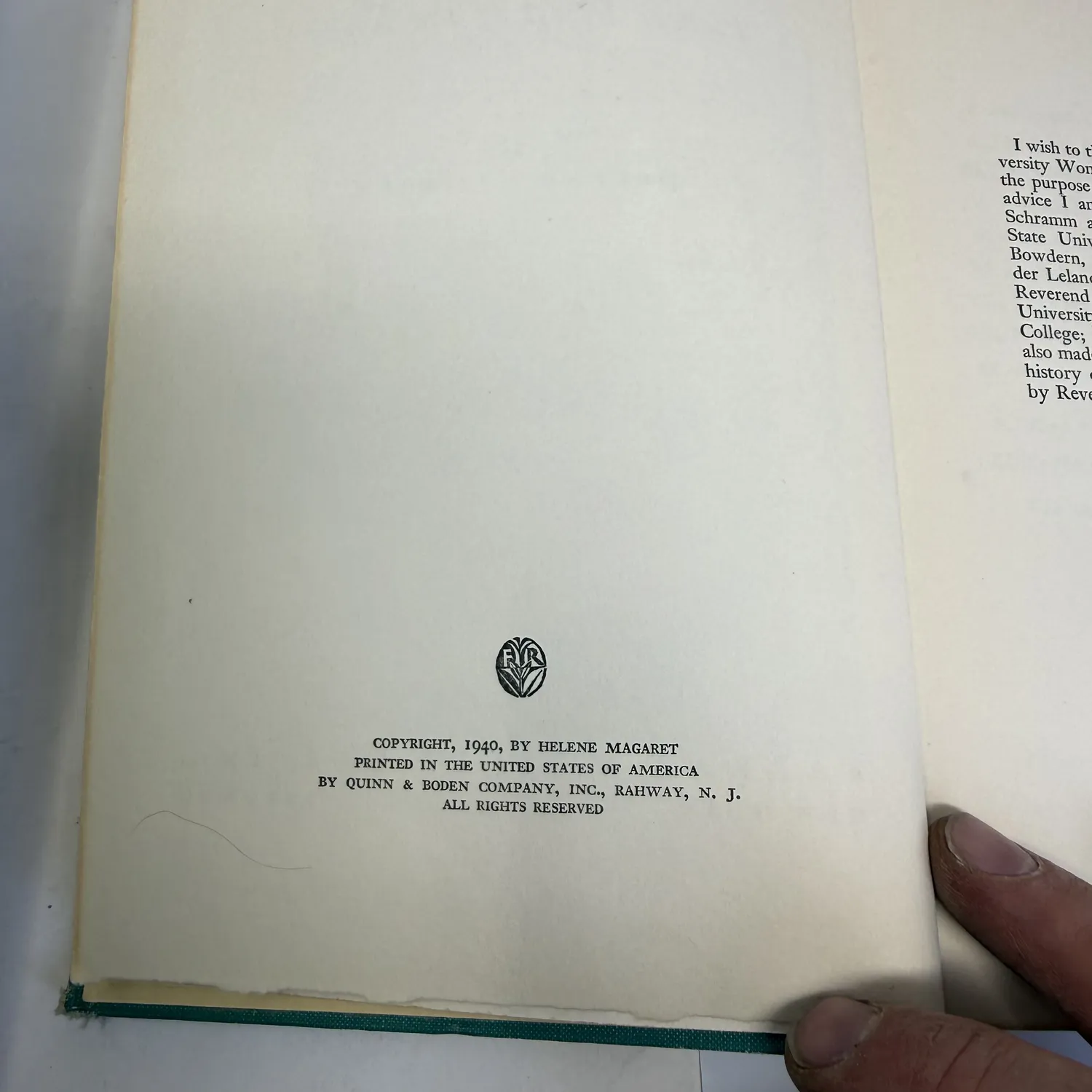
From a Recent Estate Pickup: Father De Smet: Pioneer Priest of the Rockies
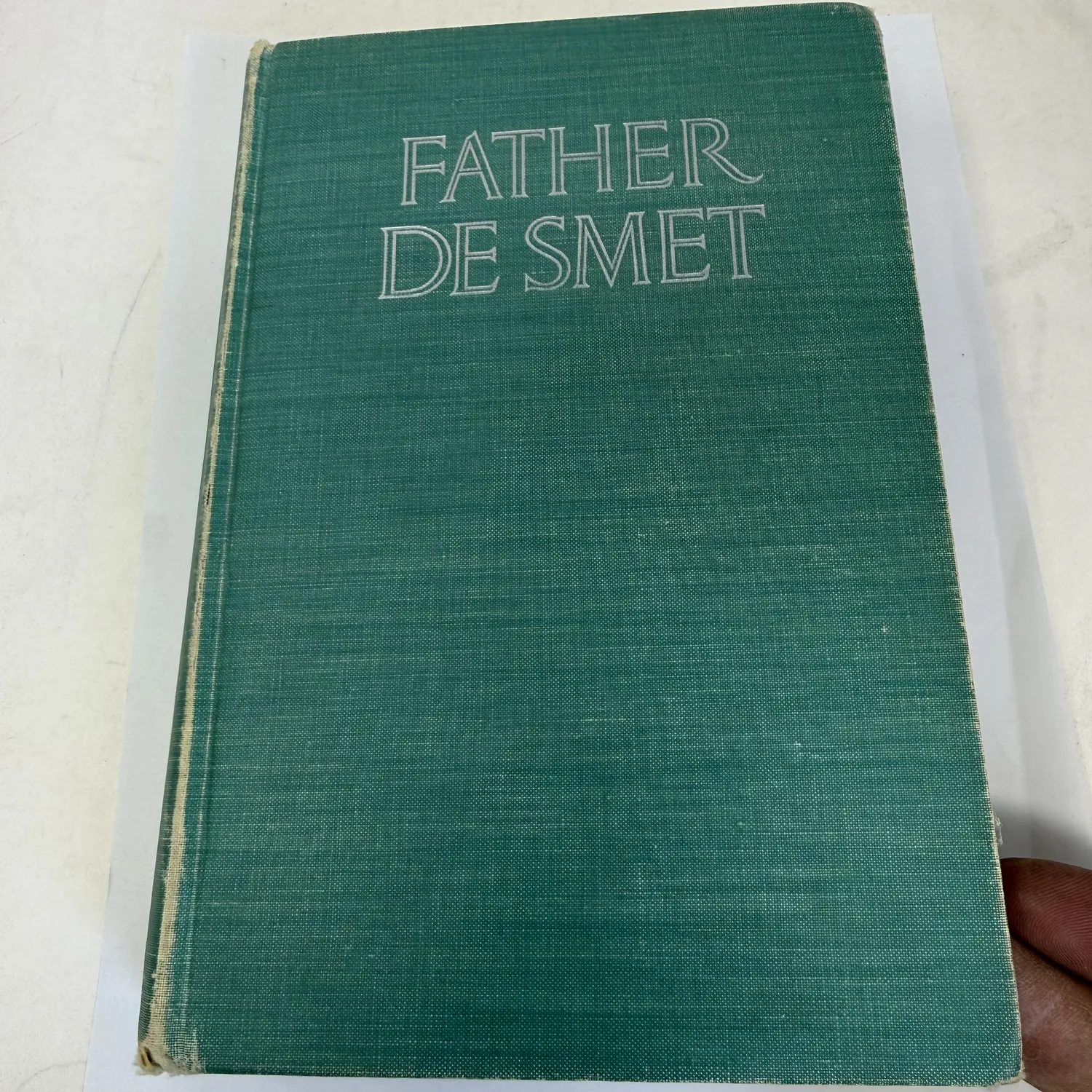
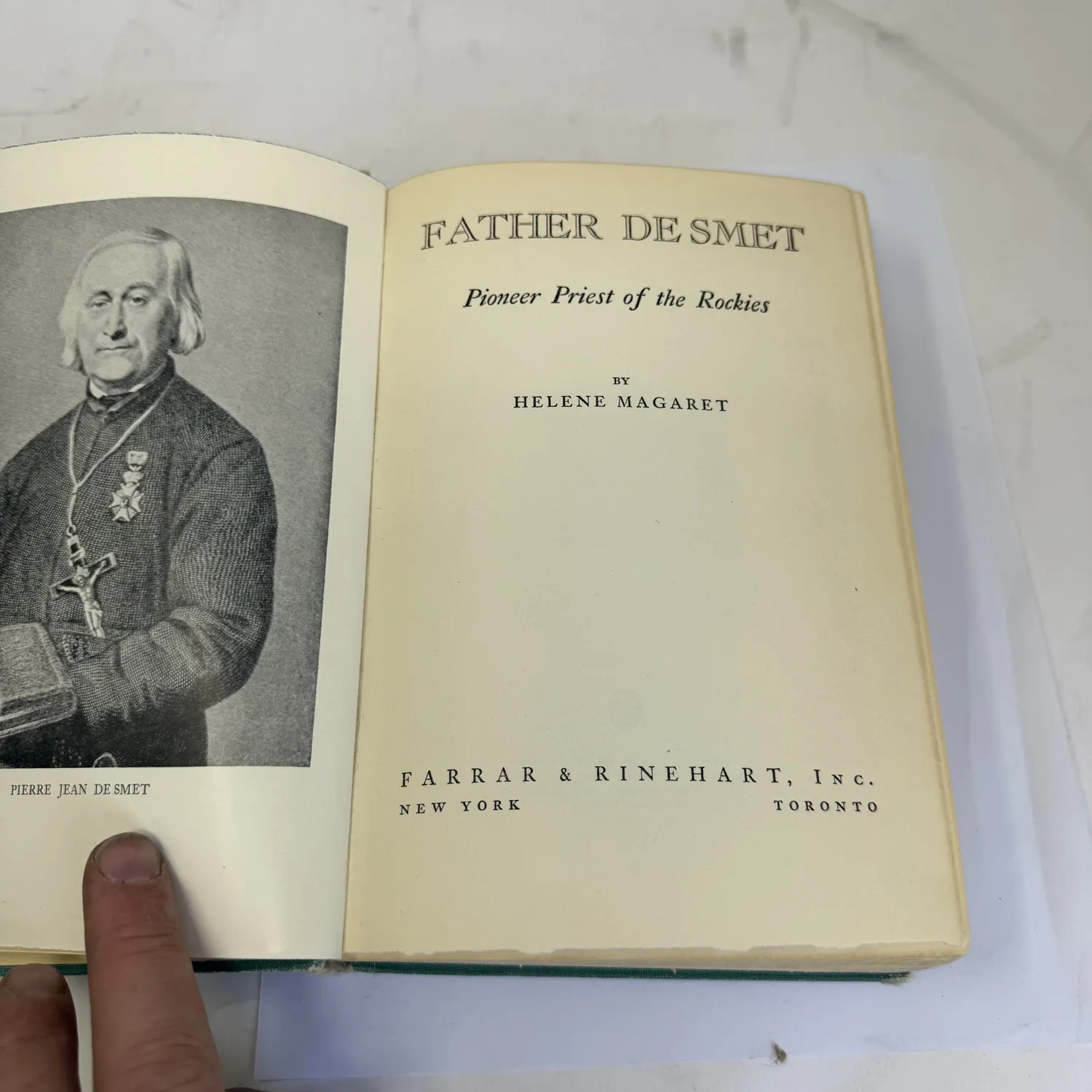
Helene Magaret · Farrar & Rinehart, Inc., New York · Copyright 1940 · Printed by Quinn & Boden Company, Inc., Rahway, N.J. · Green cloth binding, silver lettering, no dust jacket. A biography of Pierre-Jean De Smet, the Belgian-born Jesuit missionary who spent decades among the Flathead, Sioux, and other Western tribes — one of the most important figures in the history of Catholic missions in the Rocky Mountain West. This 85-year-old first edition came through an Albuquerque estate library. Books like this are exactly the kind of pre-war Western Americana that sits quietly on a shelf for decades and gets thrown away because the spine does not look exciting.
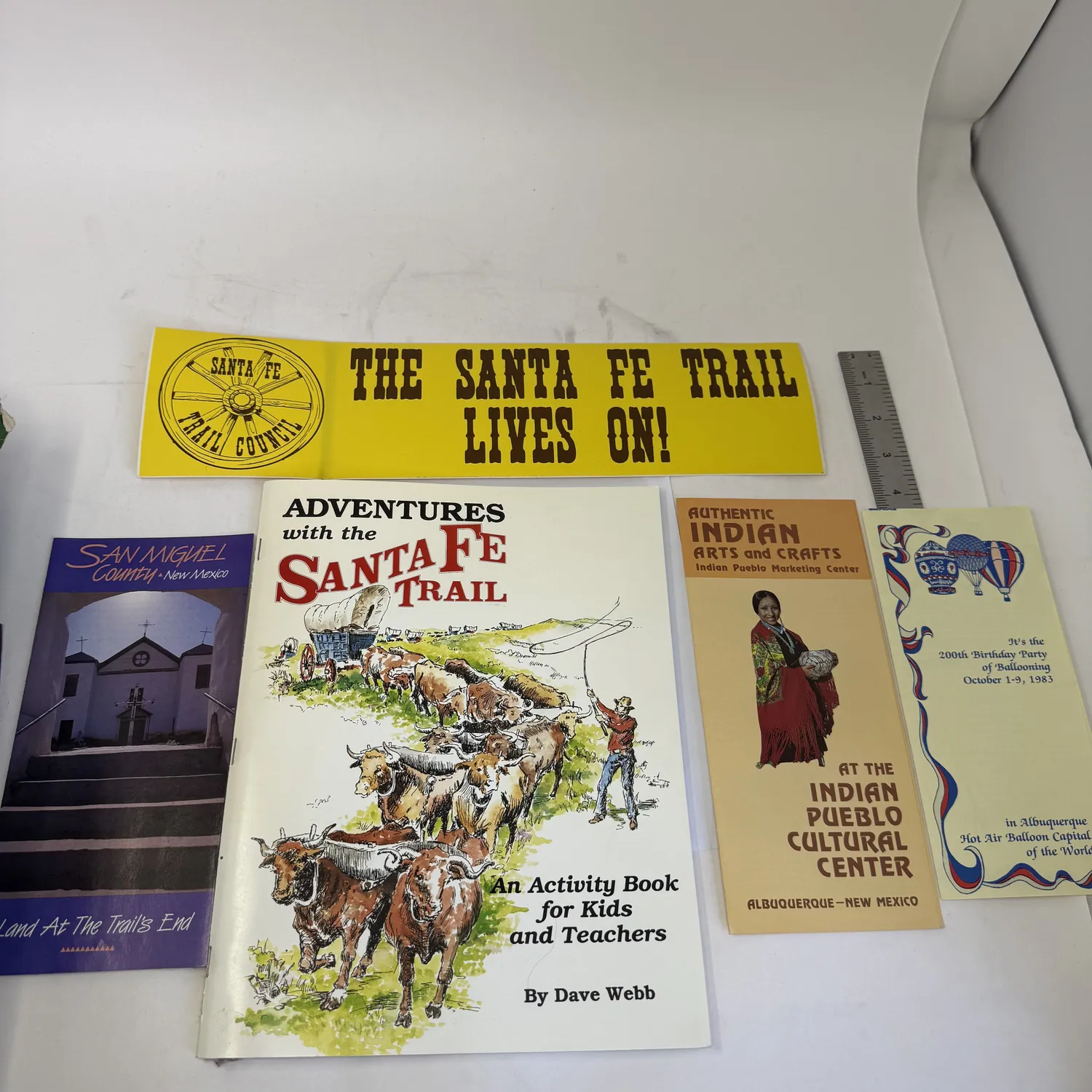
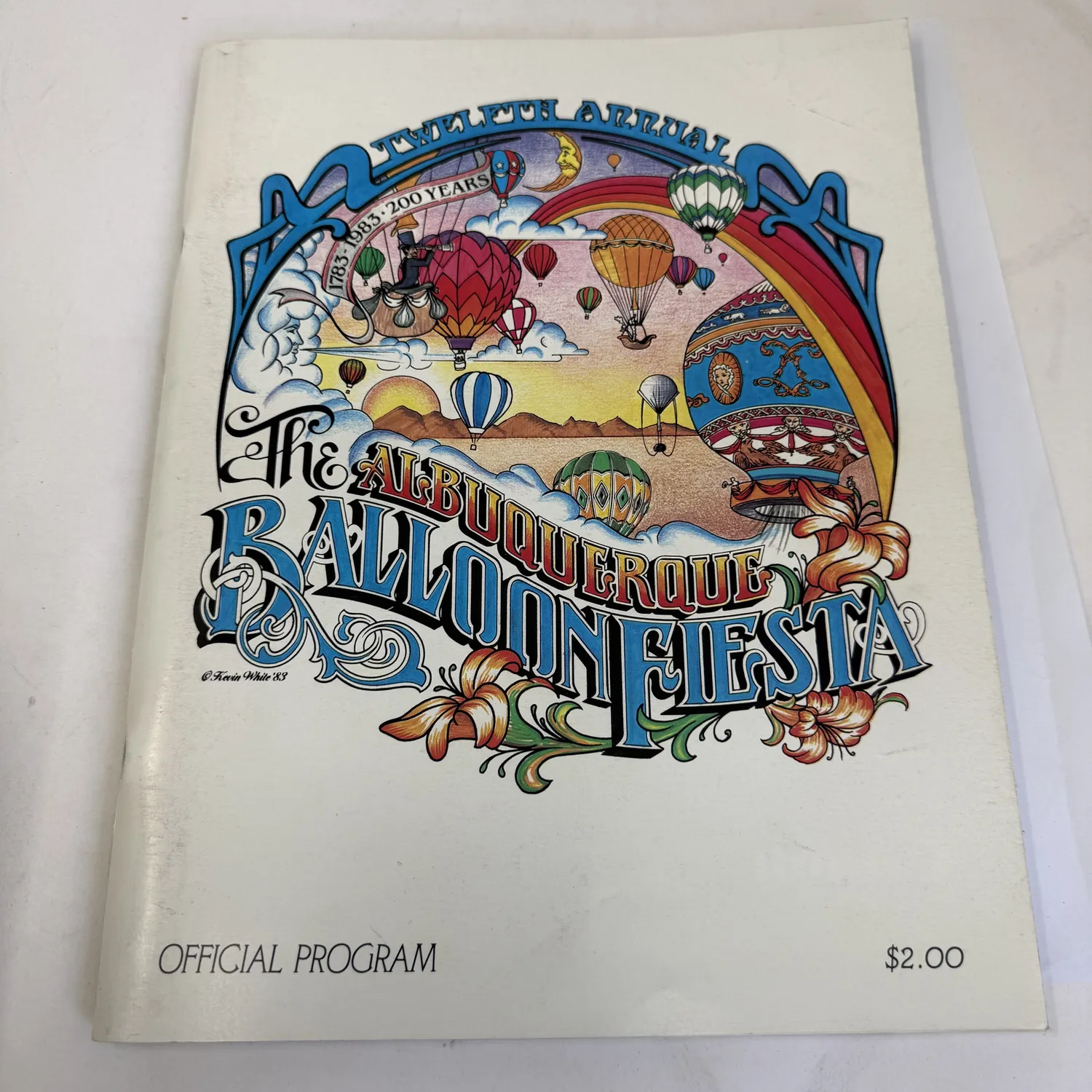
It’s Not Just Books: Ephemera from New Mexico Estates
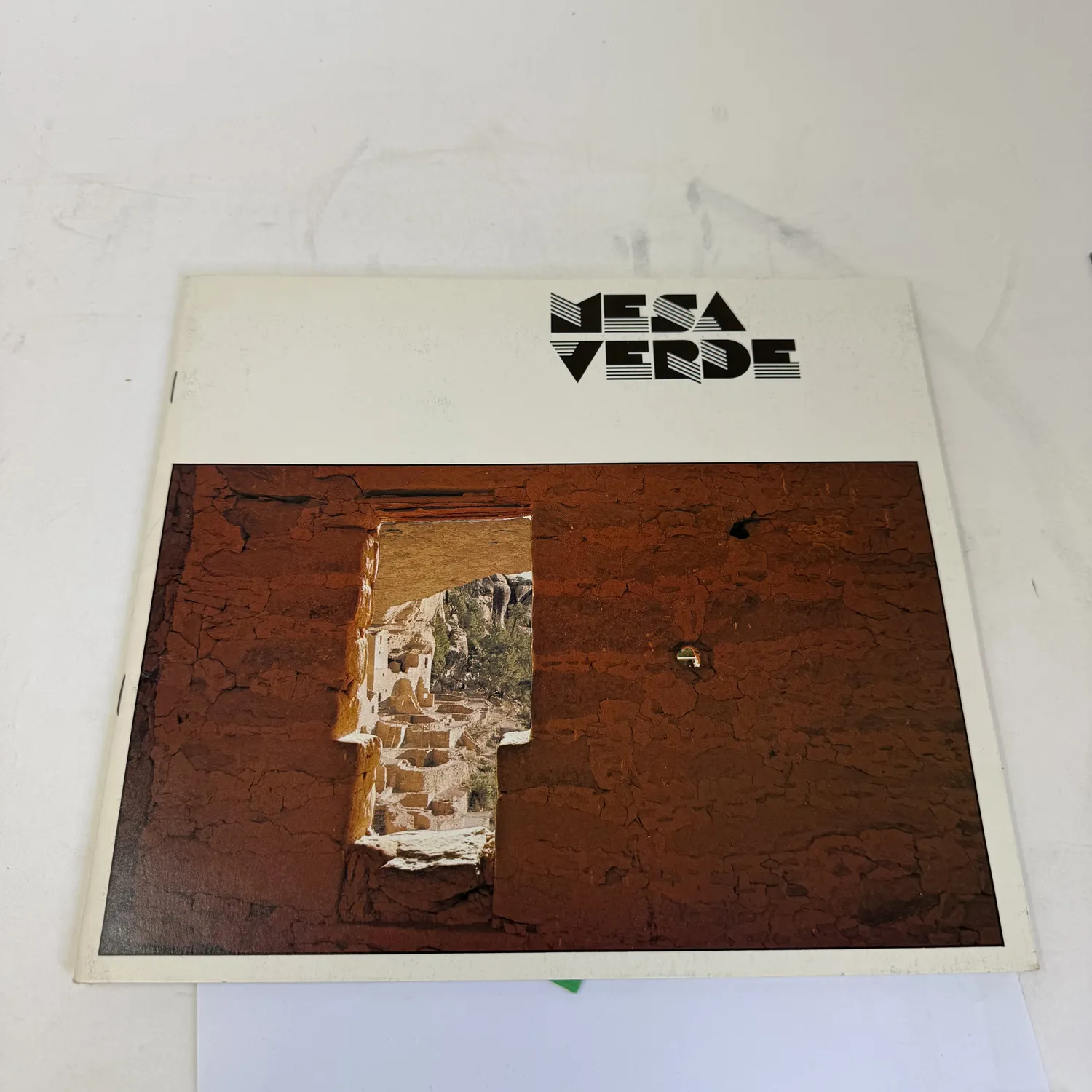
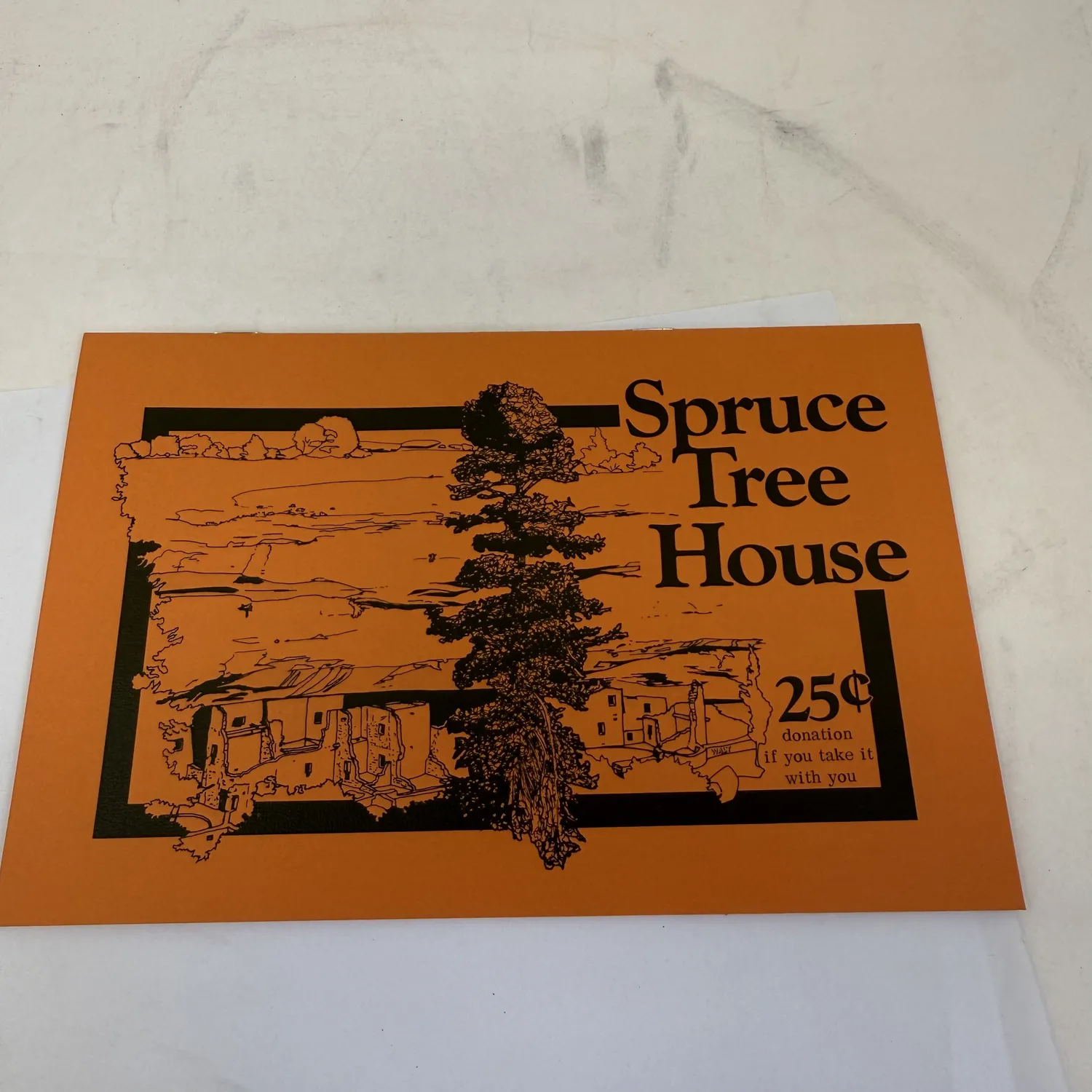
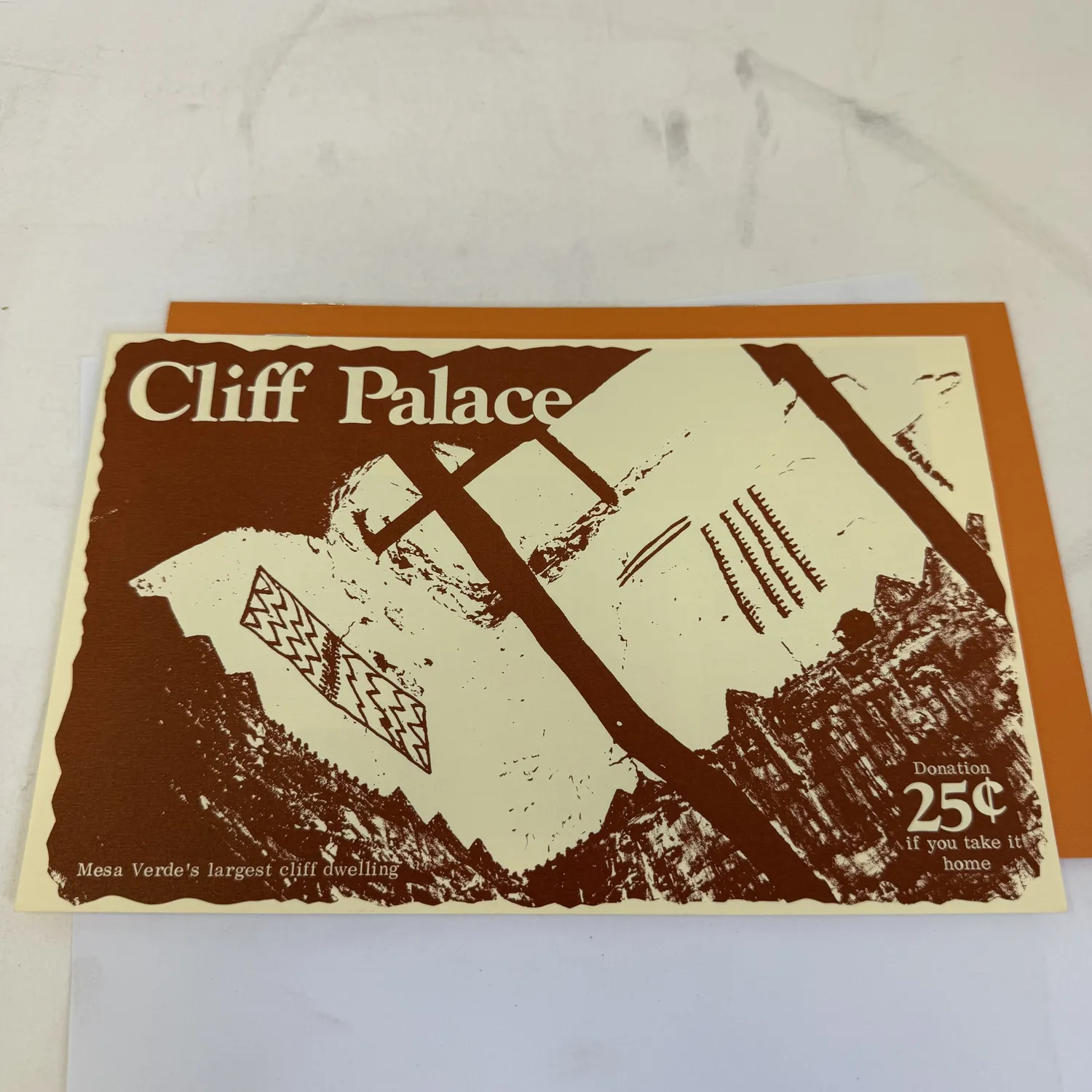
Estate donations are never only books. Mixed into the shelves and boxes, I find programs, brochures, vintage pamphlets, and the kind of paper ephemera that most people throw away without a second look. Southwest ephemera from the 1960s through the 1980s has a real collector market — especially Albuquerque Balloon Fiesta programs, vintage National Park Service interpretive brochures, and regional tourism material. These items showed up in a single Albuquerque estate donation alongside hundreds of books.
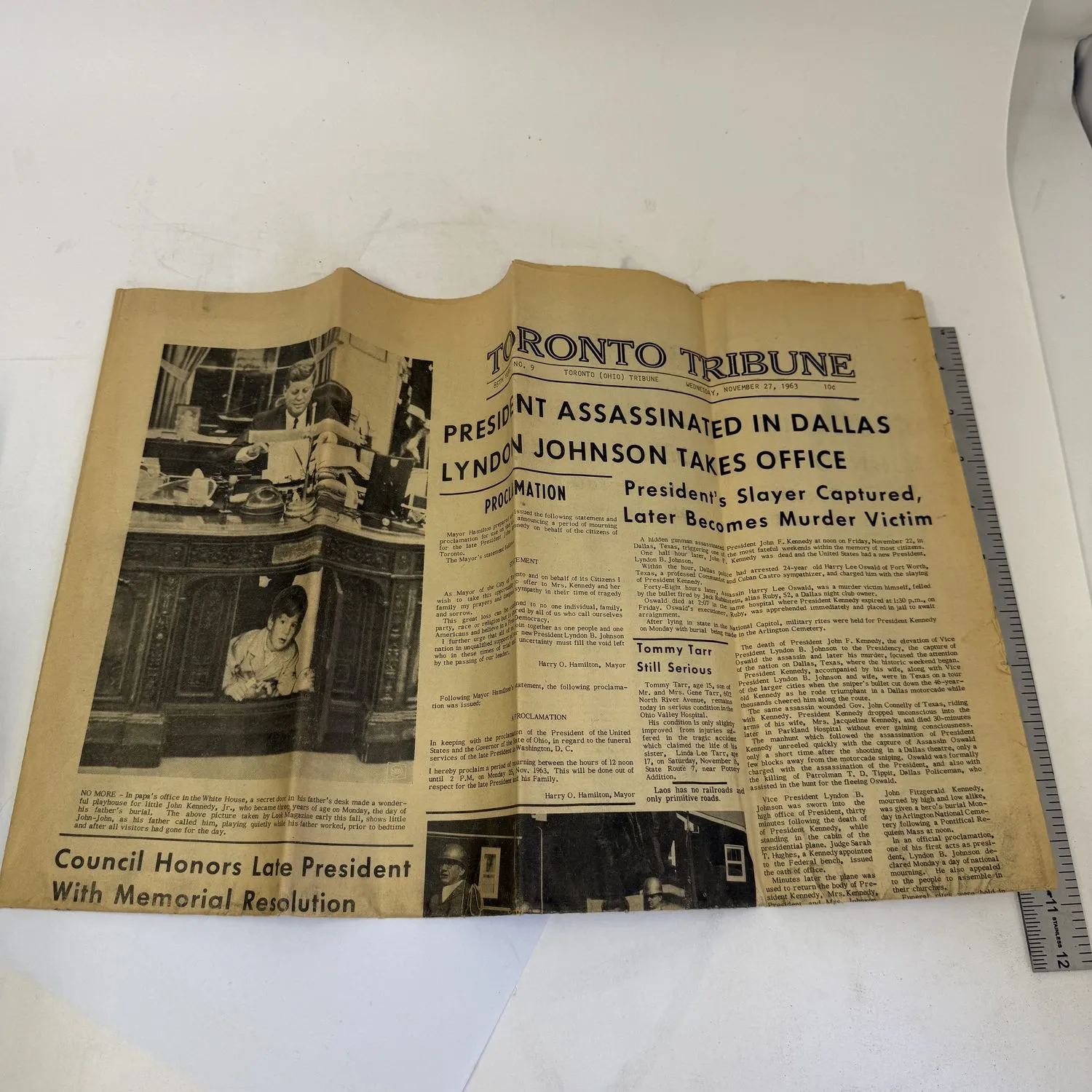
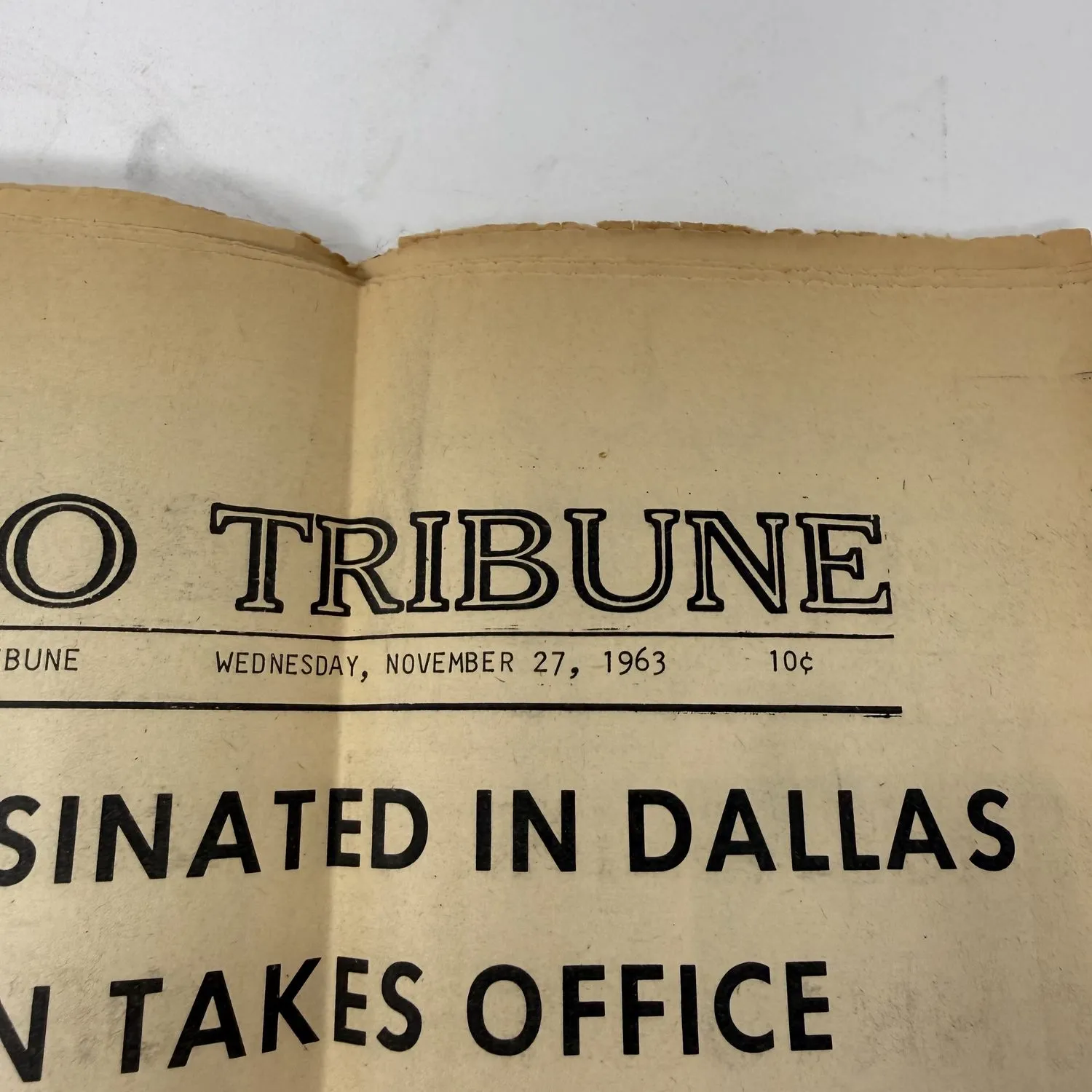
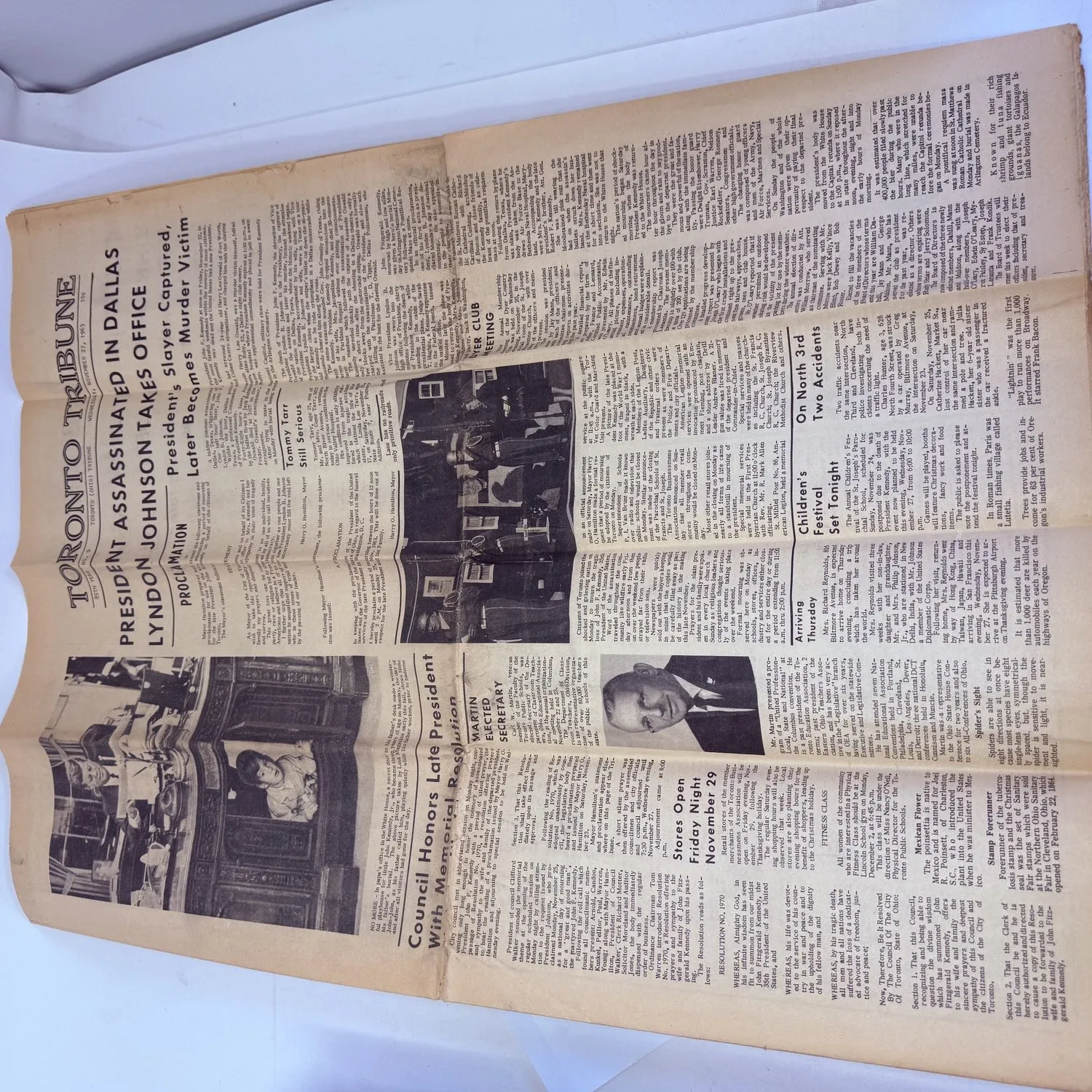
A JFK Assassination Newspaper from an Estate Cleanout
Toronto Tribune · Toronto, Ohio · Wednesday, November 27, 1963 · 10¢
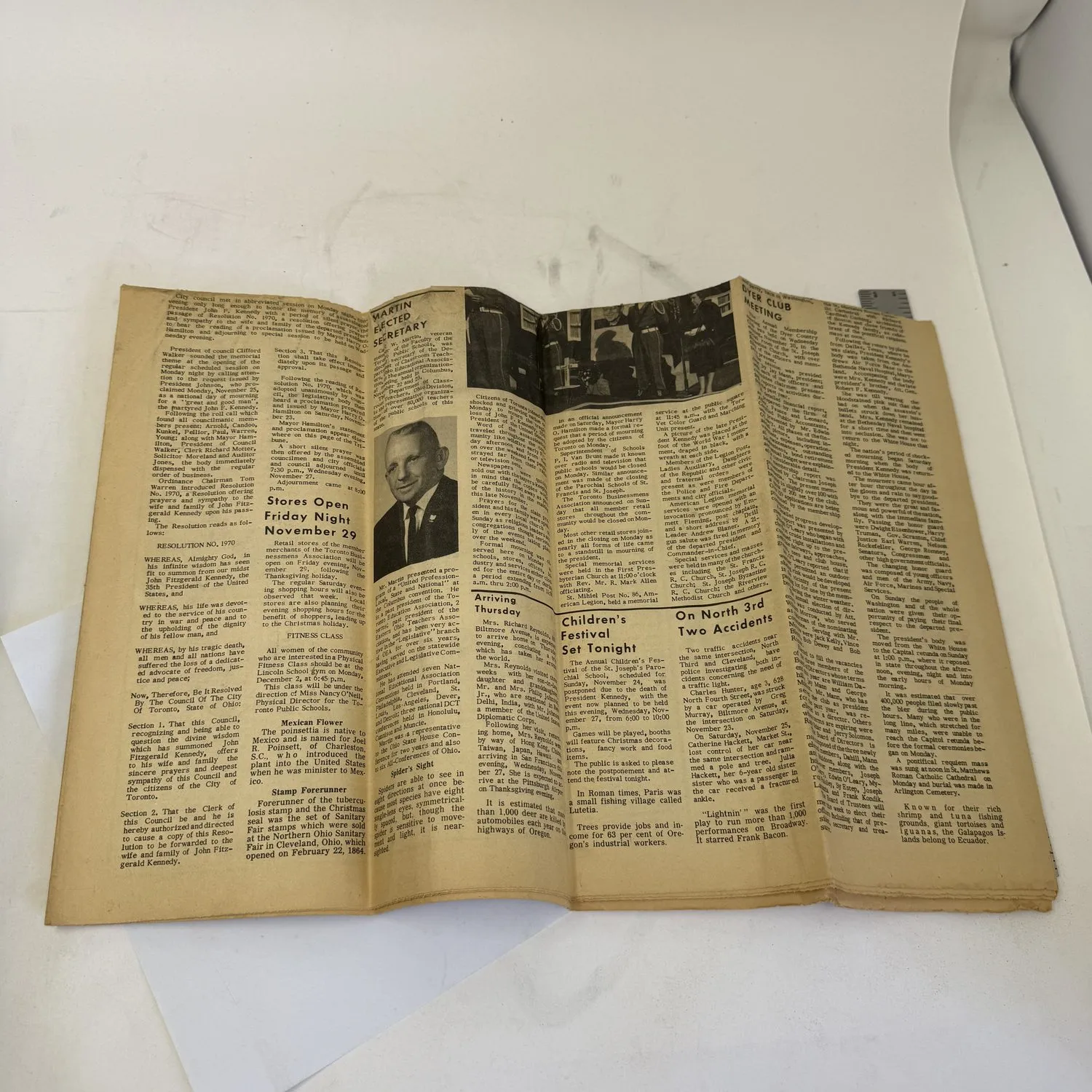
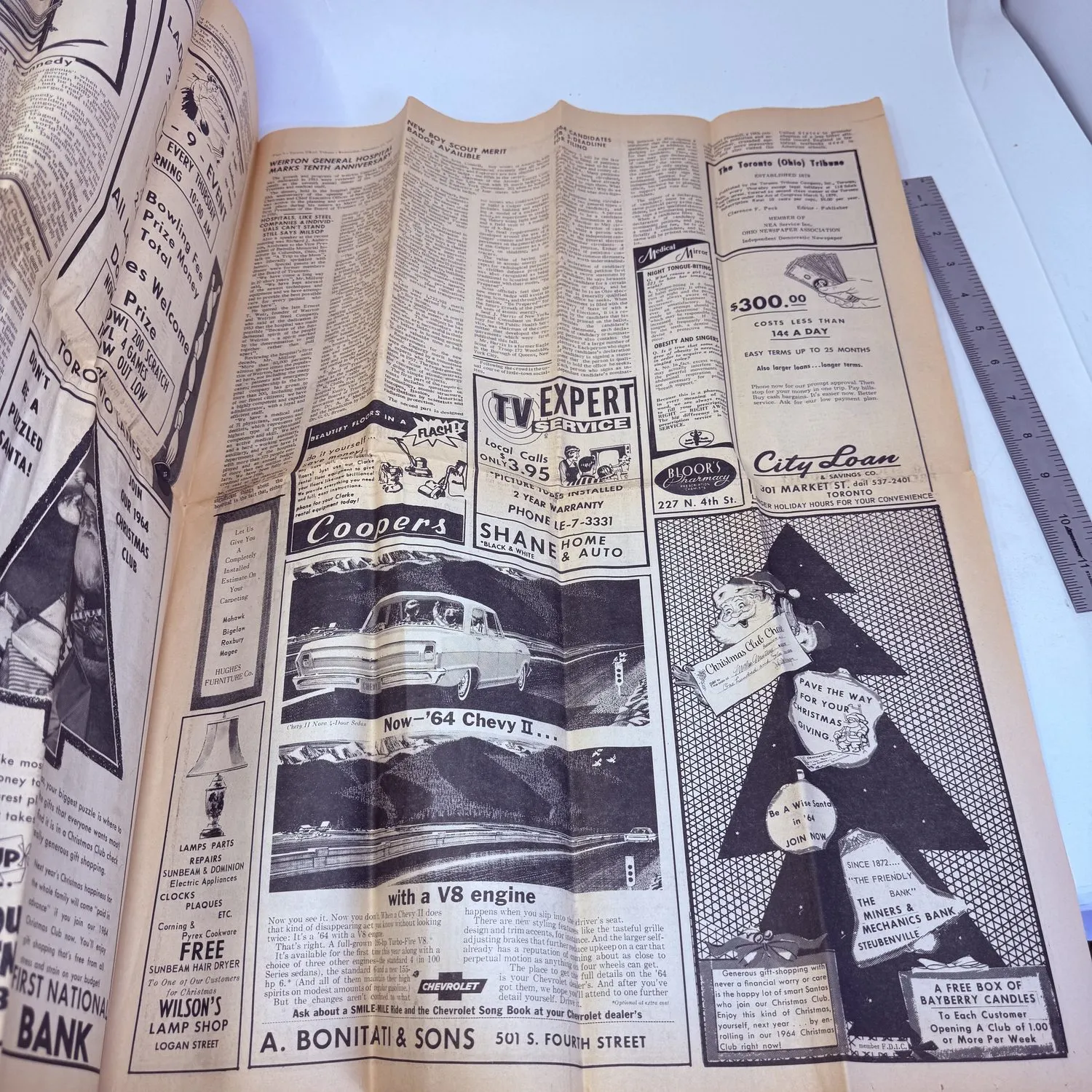
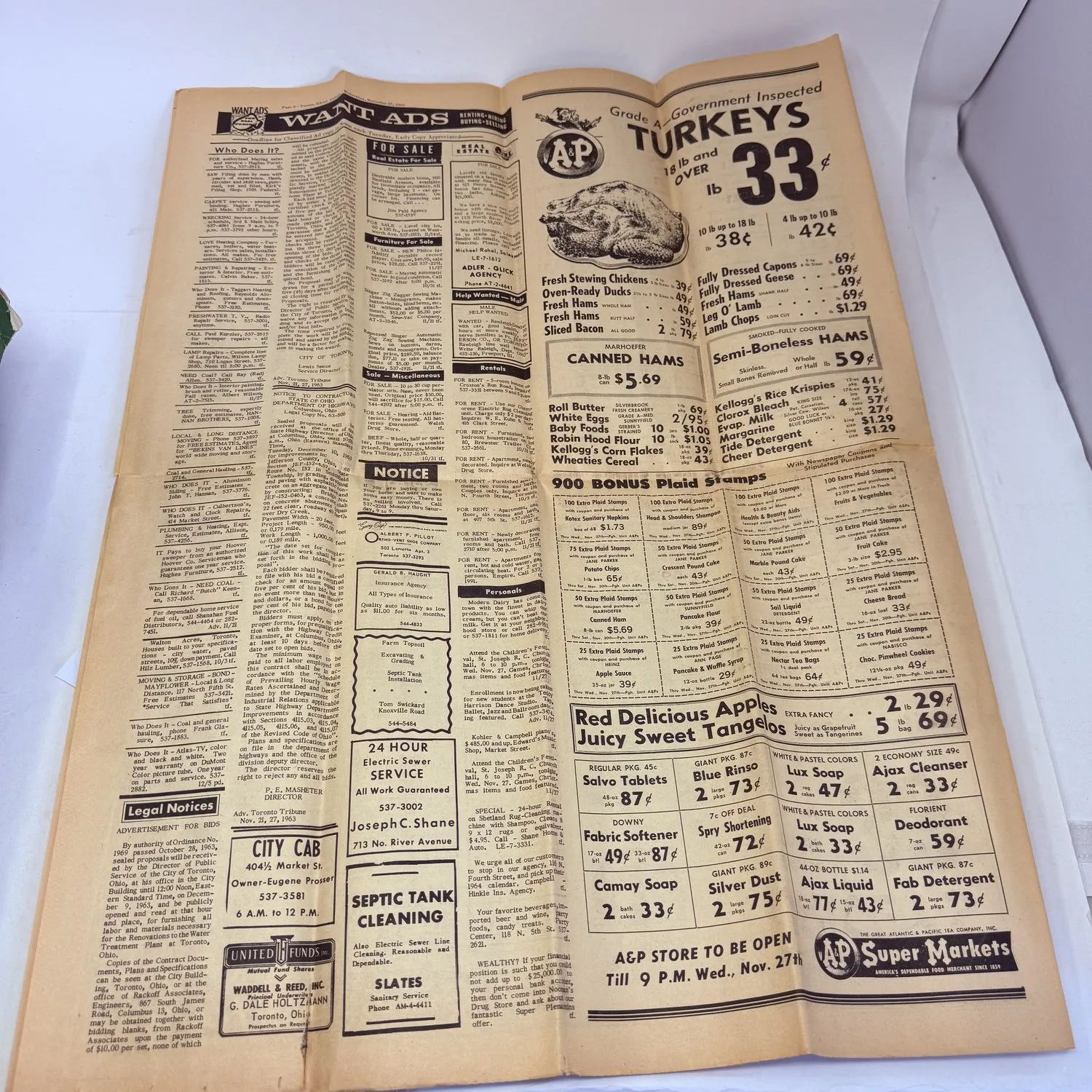
This is a complete issue of the Toronto Tribune from Toronto, Ohio — a small town on the Ohio River — dated five days after the Kennedy assassination. The headlines run the full width of the front page: “President Assassinated in Dallas / Lyndon Johnson Takes Office” and “President’s Slayer Captured, Later Becomes Murder Victim.” Below them, the mayor’s proclamation and a city council memorial resolution. The back page is a time capsule of small-town 1963: a ’64 Chevy II with V8 engine, Cooper’s, Shane Home & Auto, TV Expert Service advertising $3.95 house calls, City Loan, A. Bonitati & Sons at 501 S. Fourth Street, Wilson’s Lamp Shop, and the Miners & Mechanics Bank.
It turned up in a New Mexico estate cleanout, which is exactly how things like this travel. Someone’s family moved from the Ohio Valley to New Mexico — for work, or retirement, or a child — and they carried this newspaper with them because it mattered. They kept it for sixty years. It was not in a protective sleeve or a frame. It was tucked in a box with other papers, the way keepsakes are: loose, forgotten by anyone except the person who saved it, and one sorting decision away from the recycling bin.
I find things like this on every big estate cleanout. Not always a JFK newspaper — sometimes it is a World War II ration book, or a wedding announcement from a town in Oklahoma that does not exist anymore, or a photo album with captions in a language I do not read. These are the paper artifacts of a life that was lived somewhere else before it was lived in New Mexico, and they deserve at least a second look before the house gets emptied. An estate is never only books. It is the whole compressed history of a family, and the things tucked between the books are often the most irreplaceable part.
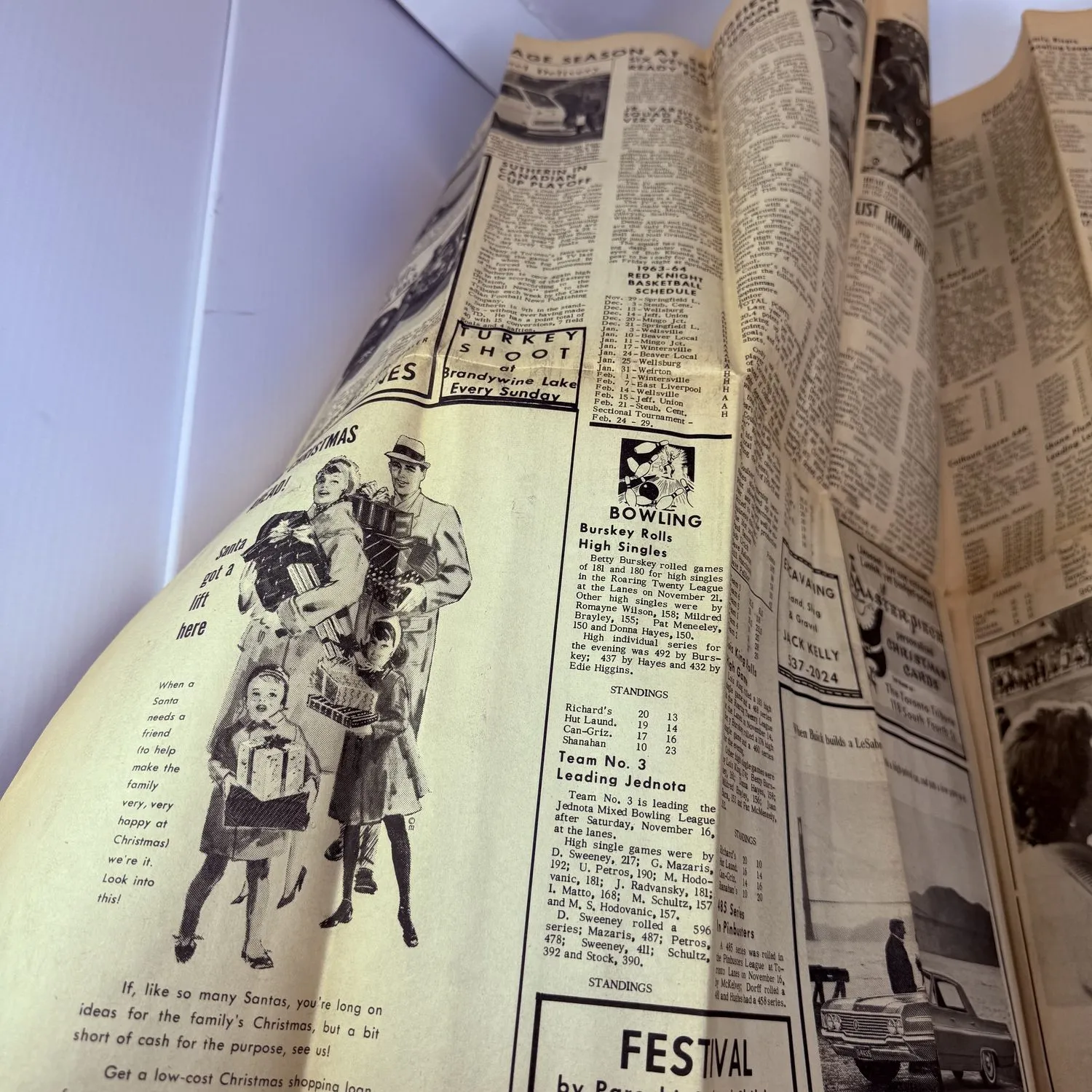
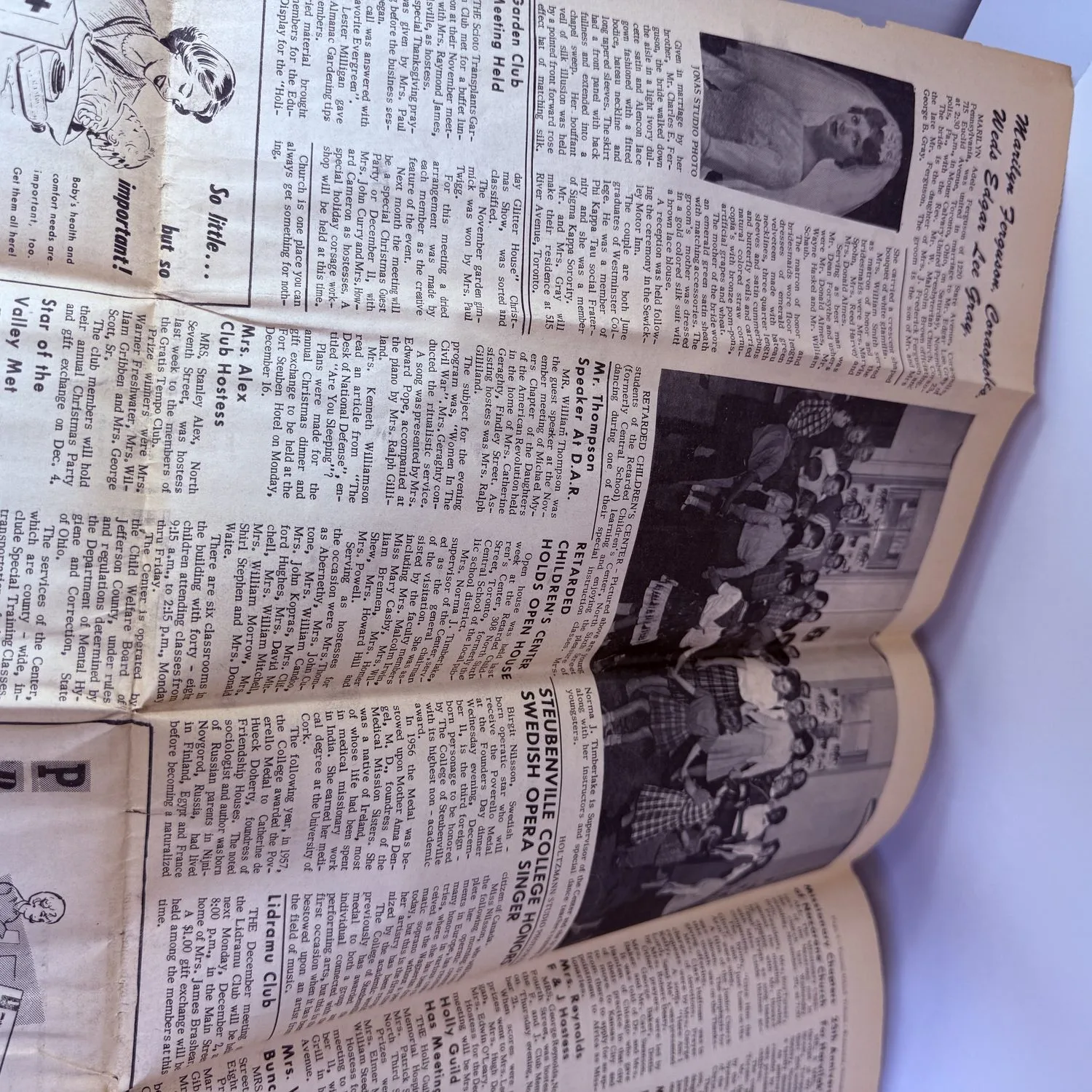
Inside the Paper: Grocery Prices, Bowling Scores, and Community Life
The interior pages are where a newspaper like this becomes a complete time capsule. These are not the national headlines — these are the prices, the schedules, the club meetings, and the want ads of a small Ohio River town the week their president was killed.
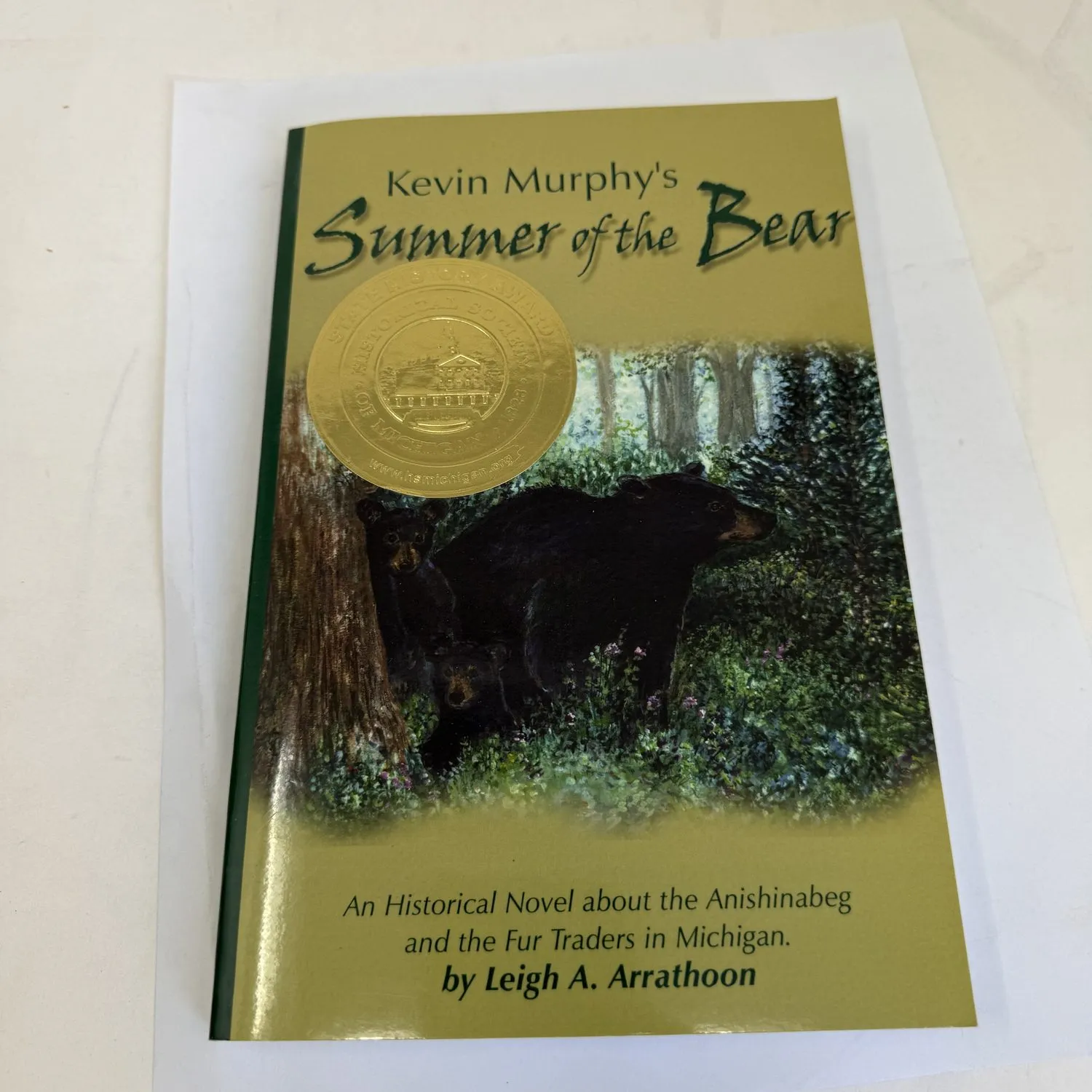
A Signed Native American Novel from a Michigan Press — Found in Albuquerque
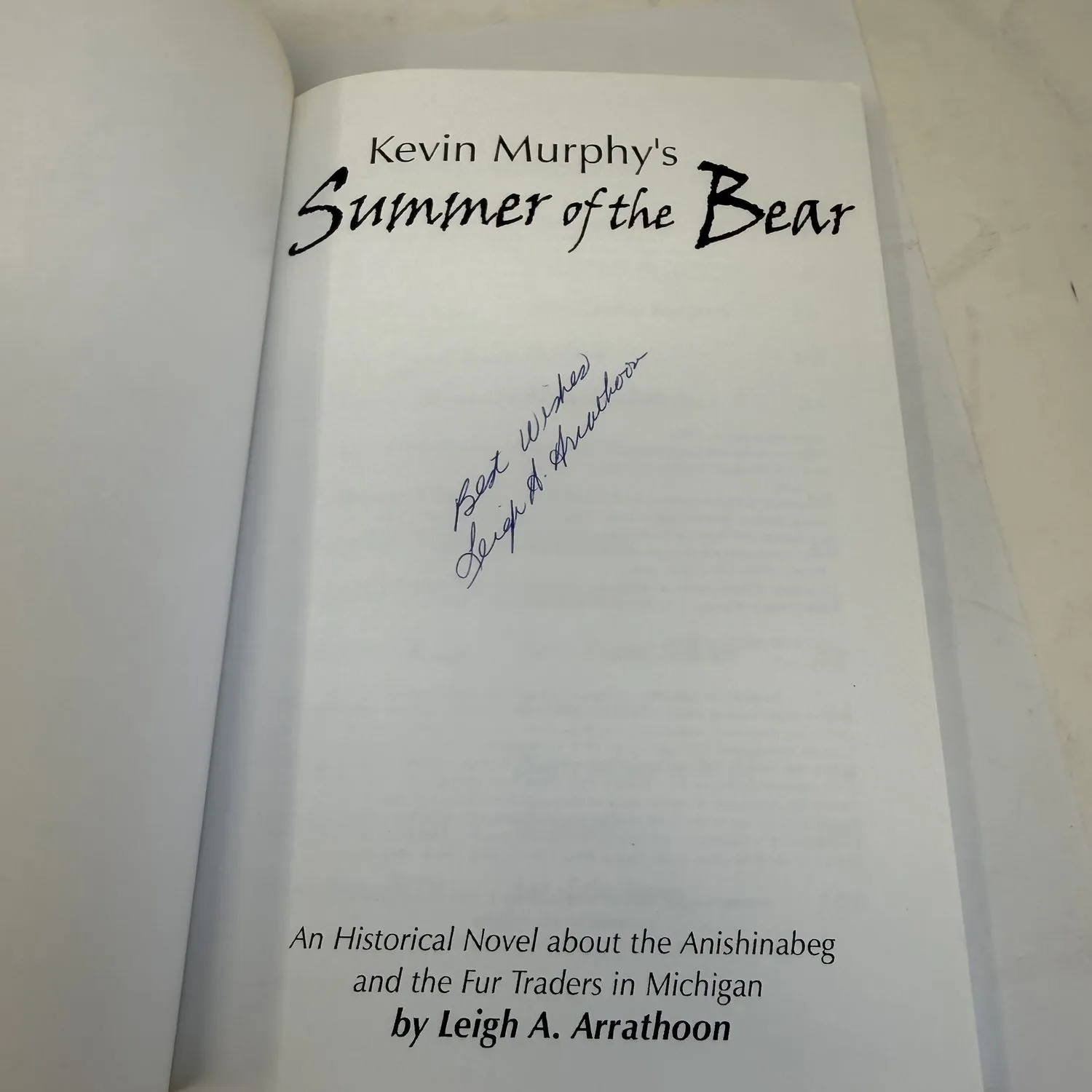
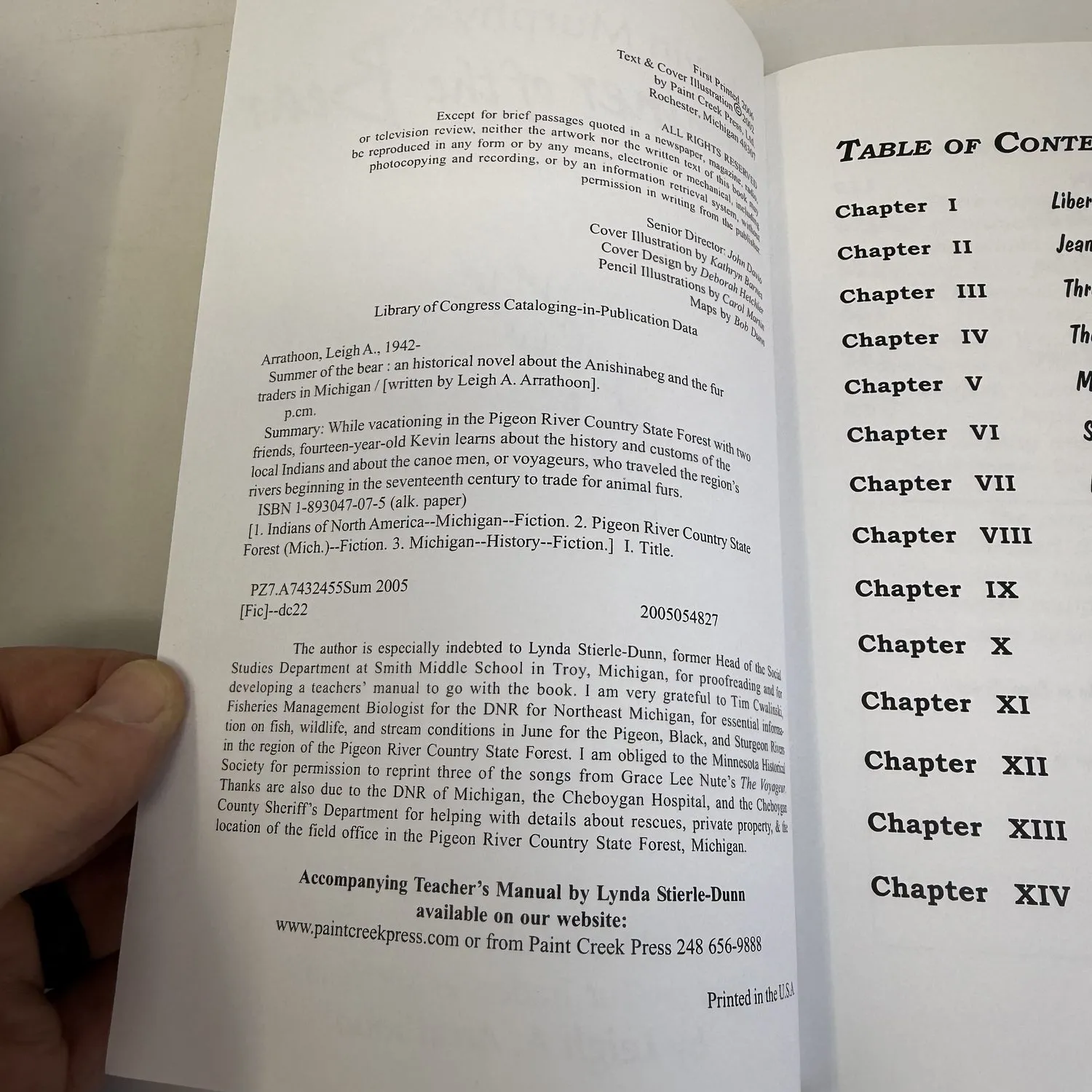
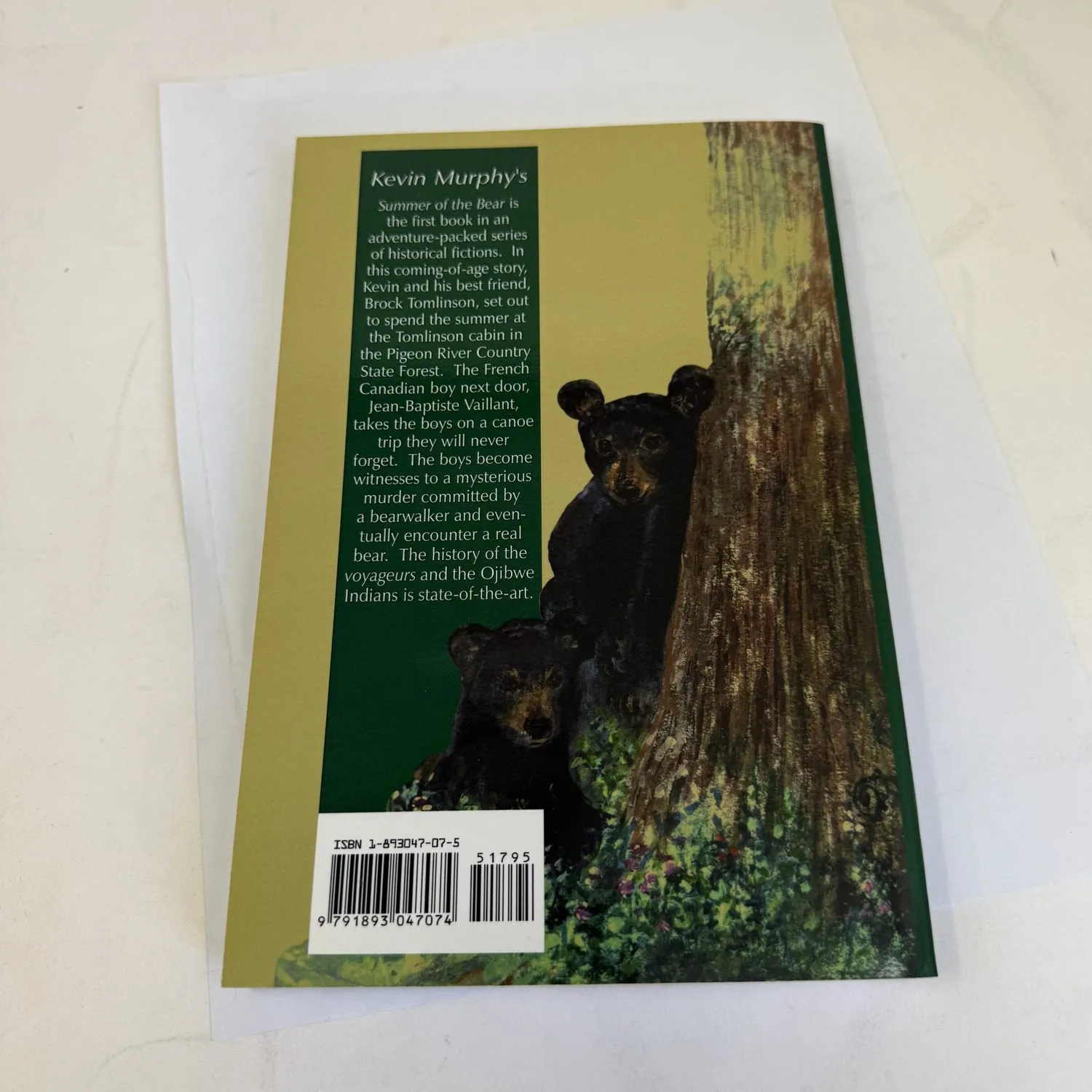
Leigh A. Arrathoon · Summer of the Bear · Paint Creek Press, Rochester, MI · First Printing, 2005 · Signed
Not every book that comes through an Albuquerque estate cleanout was written in New Mexico. This one was published in Rochester, Michigan, by a small press most people have never heard of, and it is set entirely in Michigan’s Pigeon River Country State Forest. It ended up in a box of books in an Albuquerque home, traveled through my sorting stream, and turned out to be a signed first printing of a genuine piece of Native American historical fiction — the kind of book that disappears when an estate gets cleared by someone who does not look twice.
Summer of the Bear is a young-adult novel by Leigh A. Arrathoon (b. 1942) about a fourteen-year-old named Kevin Murphy who vacations at Pigeon River and discovers the history of the Anishinabeg — the Ojibwe people — and the French Canadian voyageurs who traded with them. There is a Bearwalker mystery, a canoe trip, and a companion Teacher’s Manual. The gold award sticker on the cover suggests a Michigan children’s book award. It is inscribed on the title page: “Best Wishes, Leigh A. Arrathoon.”
This is exactly the kind of book that illustrates why estate cleanouts matter beyond the marquee titles. It is not a Hillerman or a Silko. It is a small-press signed first from a regional author, carrying a story about Ojibwe culture that someone in Albuquerque valued enough to keep on a shelf for twenty years. Indigenous literature arrives in New Mexico sorting streams from all over the country — from Michigan, from Minnesota, from the Dakotas — because the people who move to New Mexico often carried those interests with them. When I sort carefully, those books find their next reader instead of a landfill.
Alaska Books Found in a New Mexico Estate
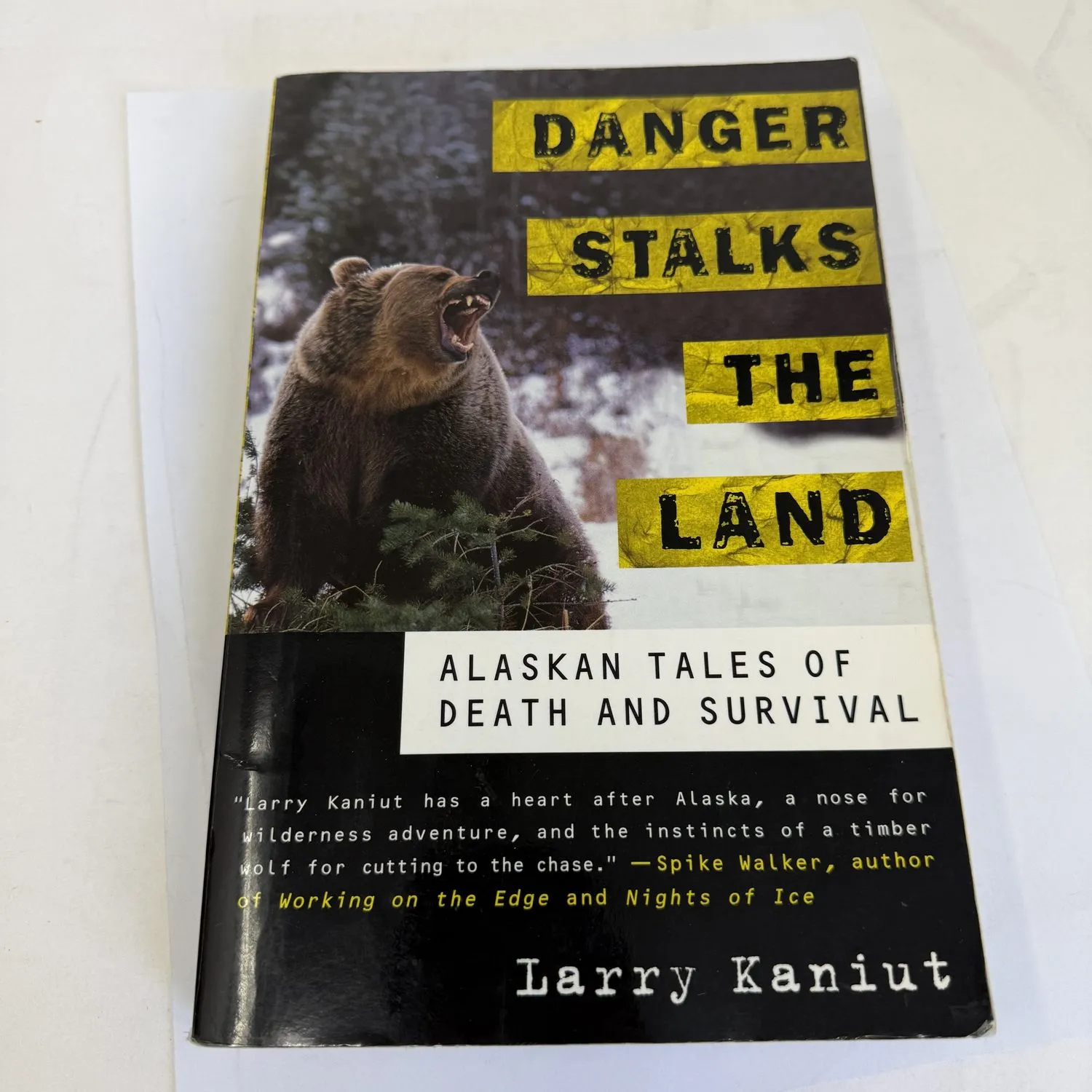
Three Alaska titles — a grizzly survival anthology, a tiny Jesuit poetry chapbook from the bush, and a 1954 adventure classic — pulled from a single New Mexico sorting stream. This is what makes estate work fascinating: you never know which corner of the country is going to show up in the next box.
I talk a lot on this site about New Mexico books turning up in New Mexico estates, because that is the obvious connection. But the truth is that every large collection I sort contains material from everywhere — books that traveled with a family from a previous life in another state, or arrived as gifts, or were picked up on a trip and never quite made it back off the shelf. Alaska books in particular show up more than you would expect. New Mexico and Alaska share something: people who move to either place tend to be readers, and they tend to be interested in landscape, wildness, and the literature of place. So when I open a box in Albuquerque and find three Alaska titles in a row, it makes perfect sense. Someone in this house loved the North the same way they loved the desert.
These three books are a perfect cross-section of what that looks like. One is a first-edition survival anthology by a bestselling Alaska author. One is an almost impossibly obscure poetry chapbook by a Jesuit priest who served a parish stretching over four hundred highway miles of Alaskan wilderness. And the third is a 1954 adventure memoir illustrated by one of Alaska’s most famous artists — an ex-library copy that made a journey from a New York State regional library to an Albuquerque shelf. Each of them tells a different story about how a book ends up two thousand miles from where it was written, and each of them would have been recycled without a second look if nobody in the sorting stream knew what they were holding.
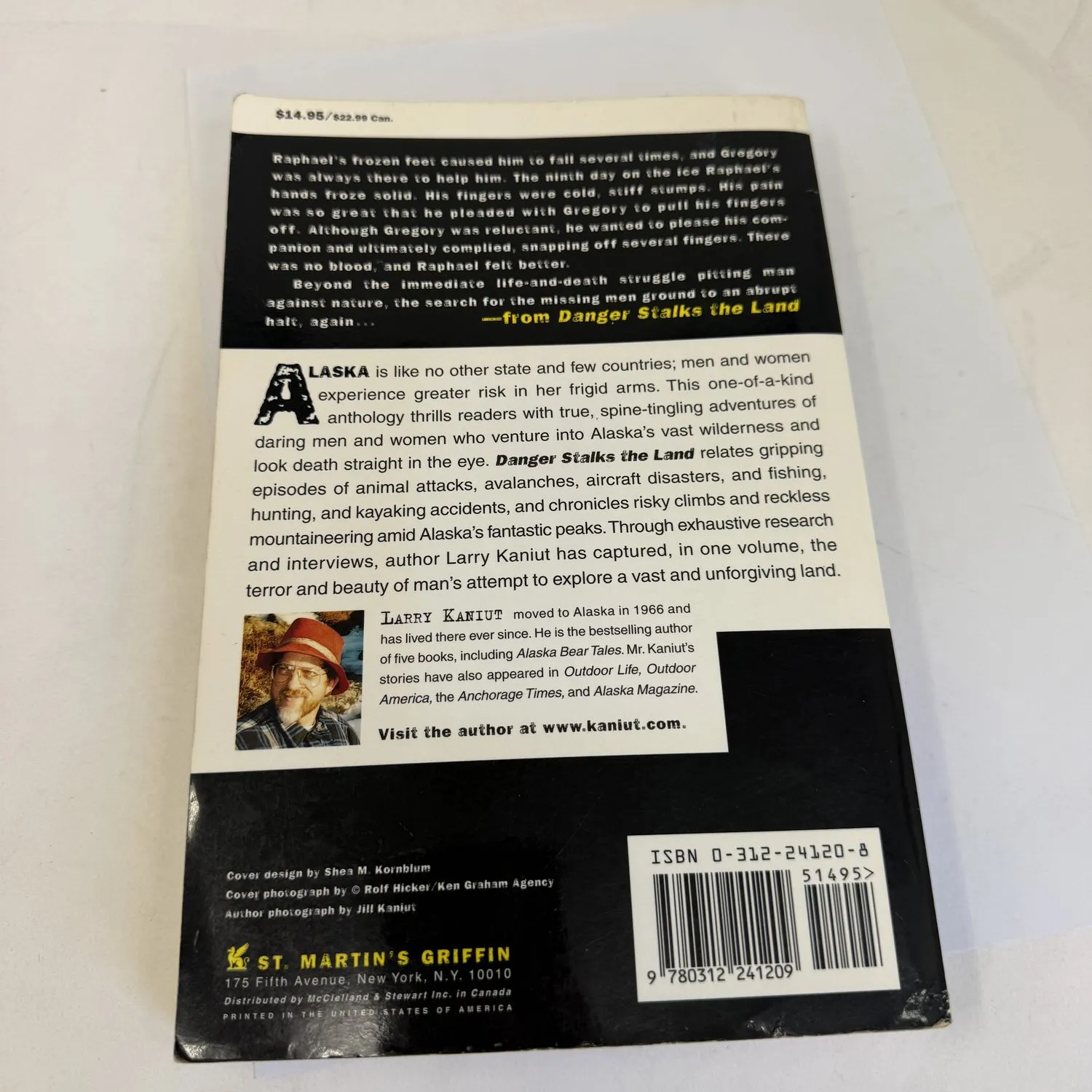
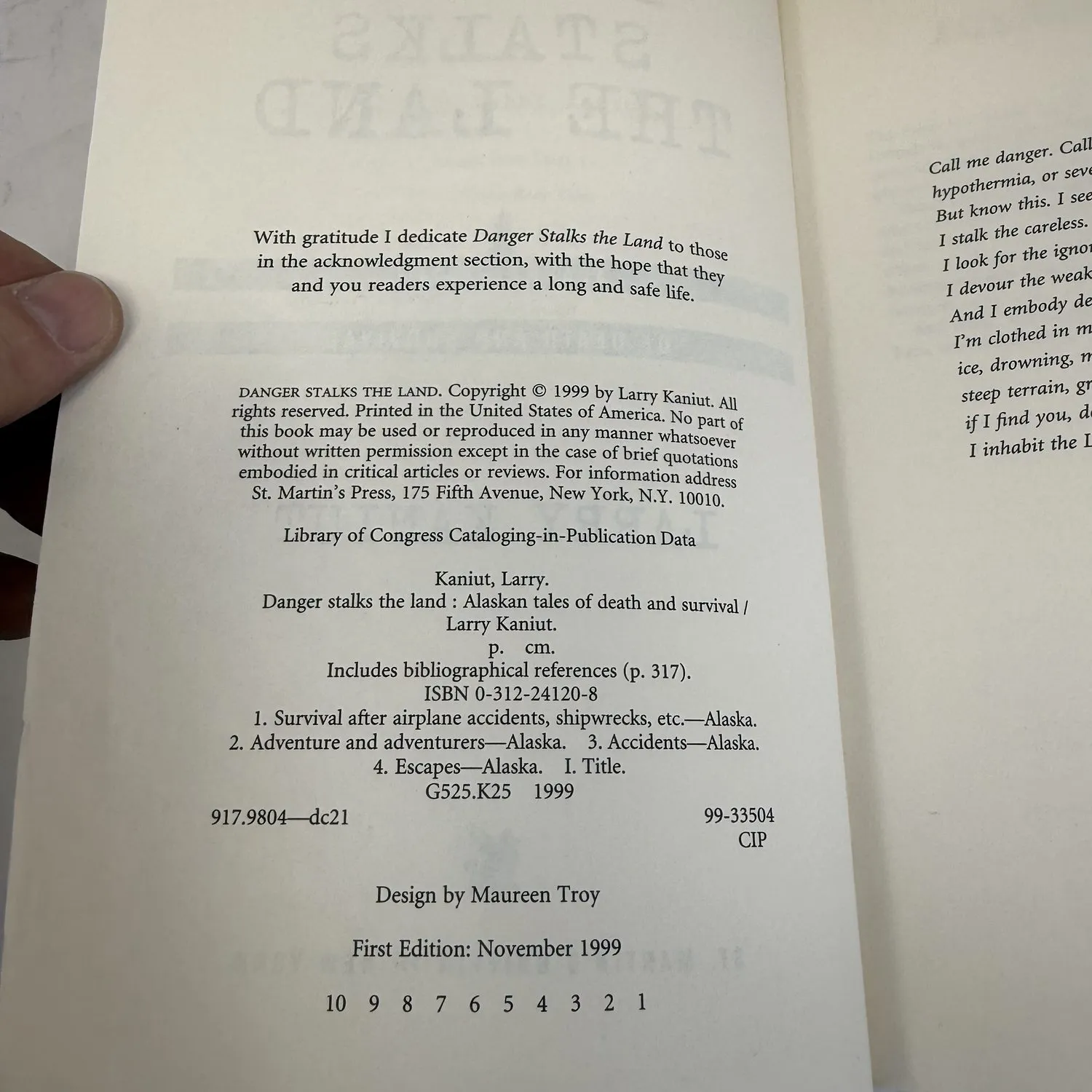
Danger Stalks the Land: Alaskan Tales of Death and Survival
Larry Kaniut · St. Martin’s Griffin · First Edition, November 1999 · First Printing · ISBN 0-312-24120-8
Larry Kaniut is the author the outdoor-survival world knows best for Alaska Bear Tales and its sequels — anthologies of real encounters between humans and the Alaskan wilderness that sell steadily and scare people half to death. Danger Stalks the Land is the broader companion volume: grizzly attacks, avalanches, aircraft disasters, fishing and hunting accidents, hypothermia, and the kind of decision-making that separates the people who walk out from the ones who do not. The front cover is a roaring grizzly bear. The blurb on the back is from Spike Walker, author of Working on the Edge and Nights of Ice, calling Kaniut “a heart after Alaska, a nose for wilderness adventure, and the instincts of a timber wolf for cutting to the chase.”
This copy is a confirmed first printing — the copyright page states “First Edition: November 1999” with a full number line running 10 9 8 7 6 5 4 3 2 1. Design by Maureen Troy. It is a substantial trade paperback, 317 pages with bibliographical references, in clean condition. First printings of Kaniut’s Alaska survival books carry modest collector interest among outdoor-literature enthusiasts — not a high-ticket item, but a solid first edition of a title with a devoted readership, and exactly the kind of book that gets tossed in a thrift donation bag without anyone checking the copyright page.
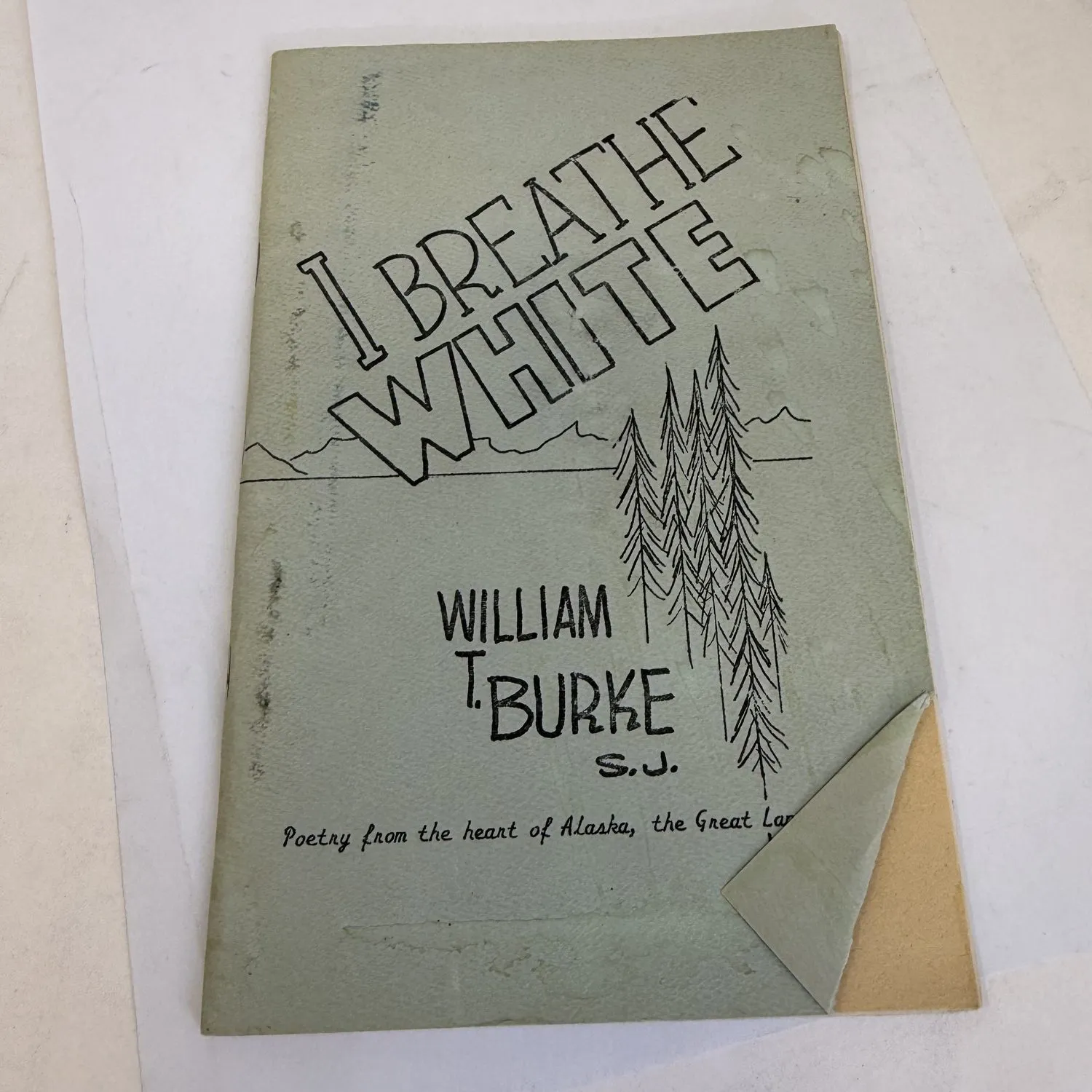
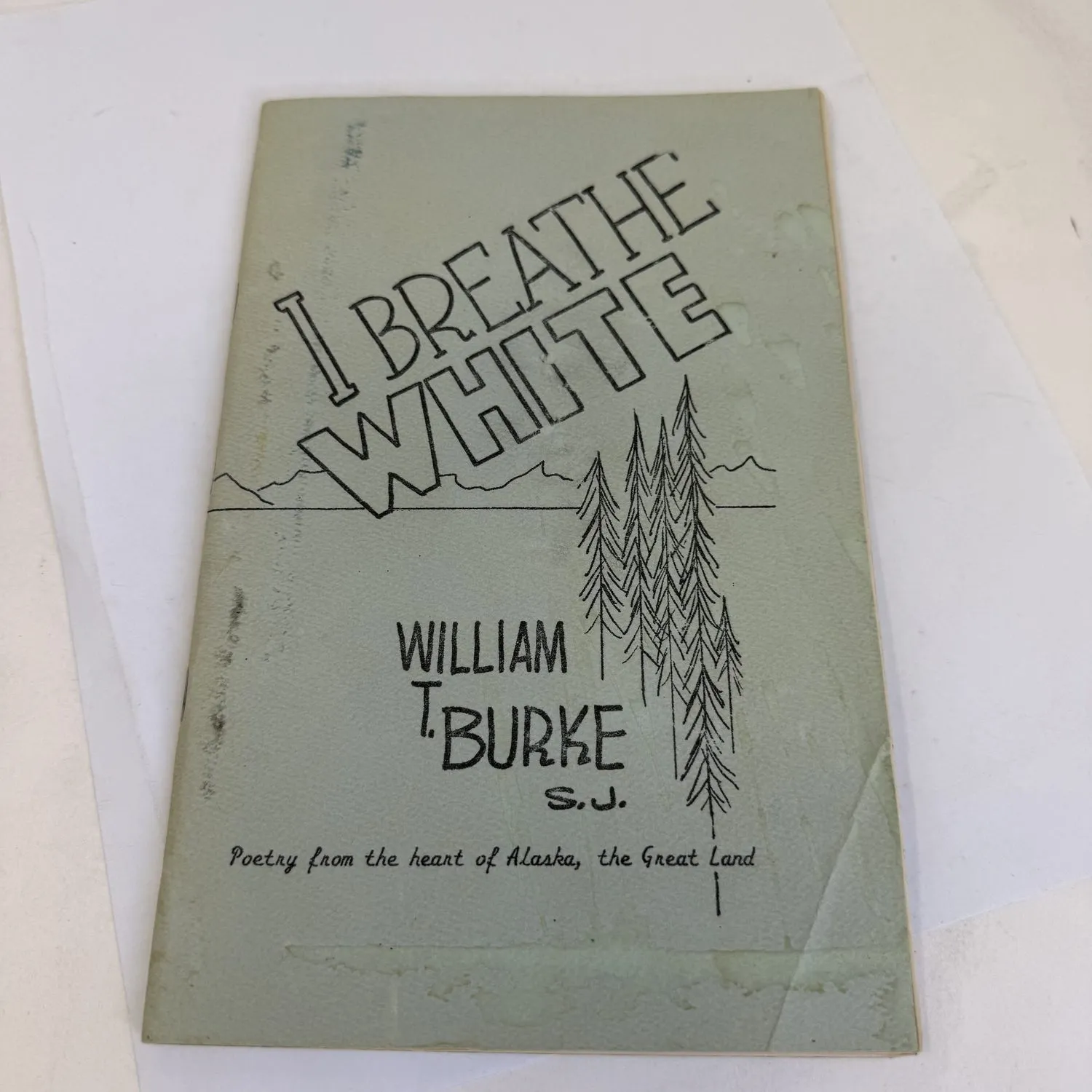
I Breathe White: Poetry from the Heart of Alaska, the Great Land
William T. Burke, S.J. · Silver Wings Press, Pearblossom, CA · July 19, 1987 · Review Copy · Illustrations by Jackson Wilcox · 34 pages · Original list $3.50
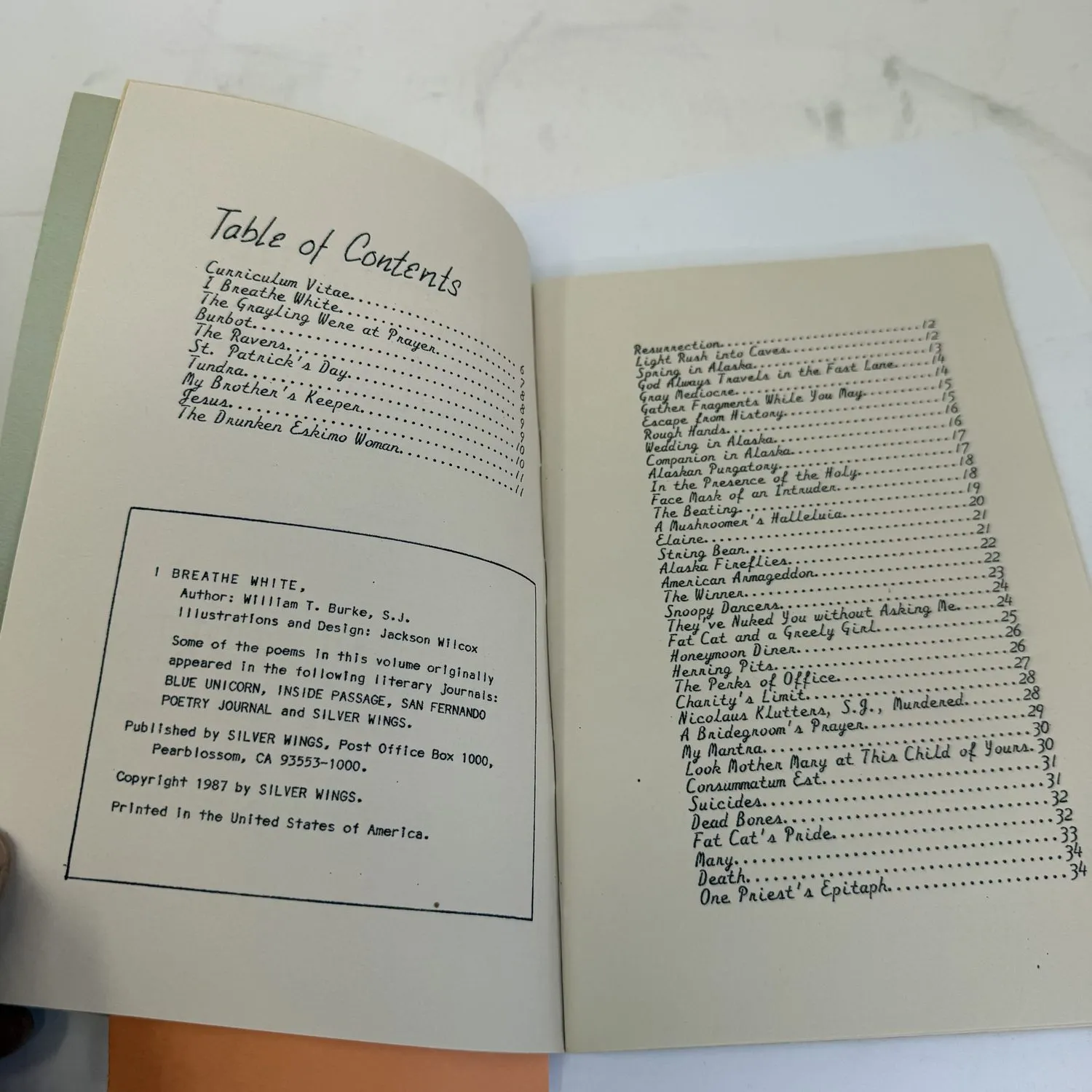
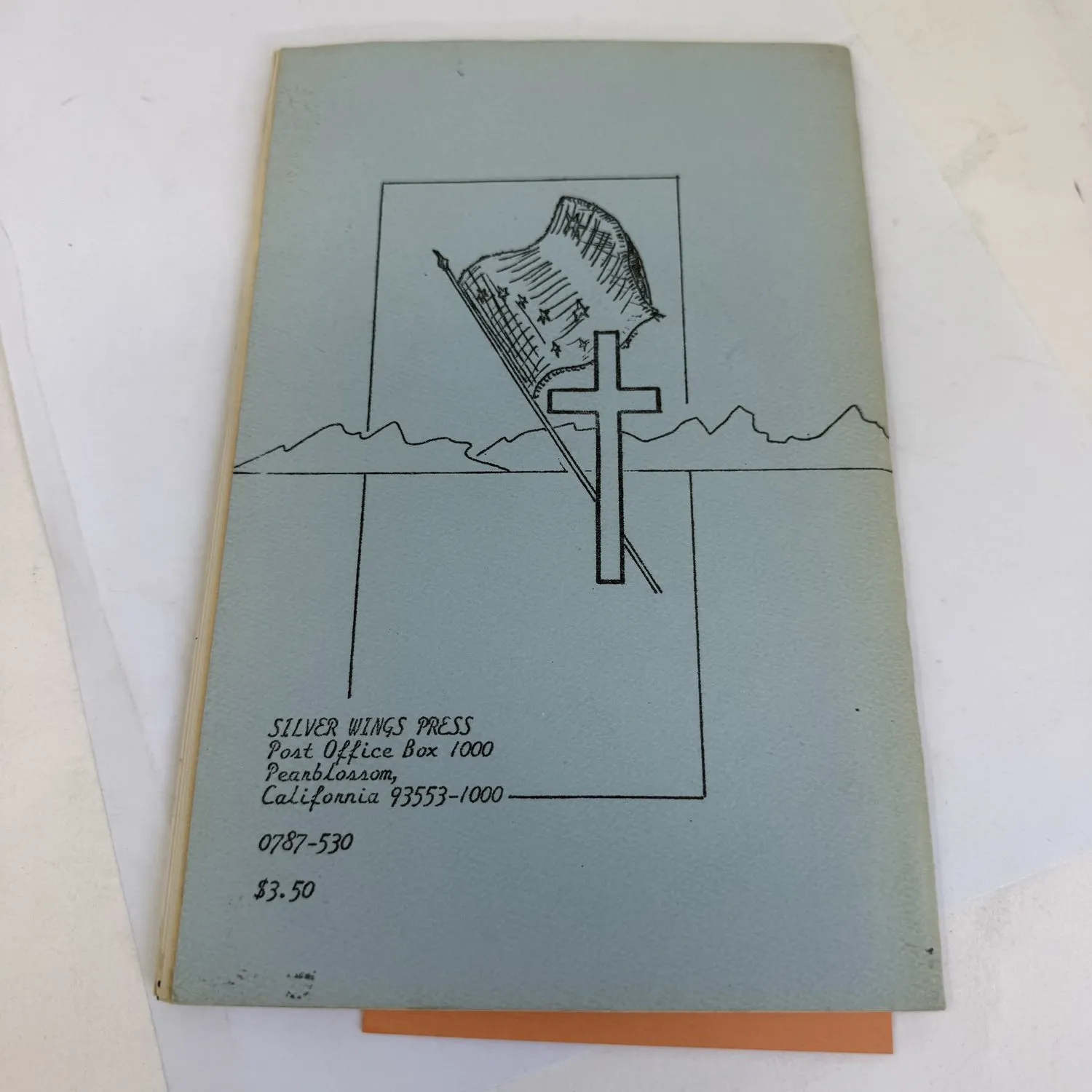
This is the kind of book that only surfaces in an estate cleanout. I Breathe White is a 34-page poetry chapbook by Father William T. Burke, a Jesuit priest who spent five years serving a parish that extended over four hundred highway miles of Alaskan wilderness. Silver Wings Press published it on July 19, 1987, to celebrate one hundred years of Jesuit work in Alaska. The cover is pale green with hand-lettered title text and a pen-and-ink illustration of Alaskan spruce trees against a mountain range. Illustrations throughout are by Jackson Wilcox. The original list price was $3.50.
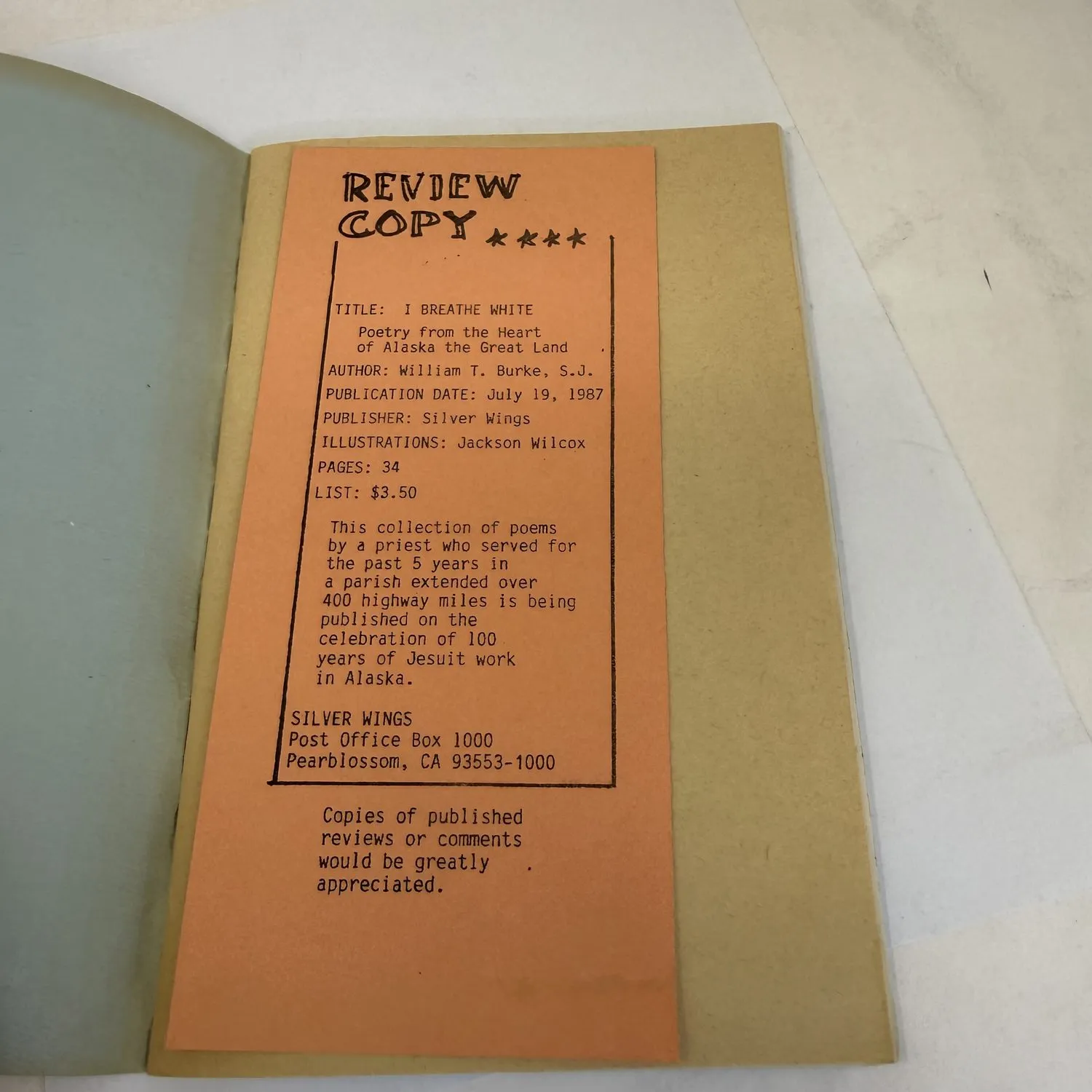
What makes this copy remarkable is the orange review copy insert still tucked inside the front cover. It identifies the title, author, publication date, publisher, illustrator, page count, and price, and it requests that “Copies of published reviews or comments would be greatly appreciated” — addressed to Silver Wings, Post Office Box 1000, Pearblossom, CA 93553-1000. Review copies of any small-press chapbook are unusual; a review copy of a Jesuit poetry chapbook about Alaska, published by a tiny California press in an edition that was almost certainly measured in the low hundreds, is genuinely rare. This is the kind of ephemeral literary artifact that has no meaningful market value in a conventional sense — there is no established collector demand for it — but it is irreplaceable in the sense that very few copies can possibly survive. The collector interest here is niche and archival: Jesuitica, Alaska poetry, small-press ephemera. It is a curiosity more than a commodity, and that is exactly what makes it interesting.
Where Else but Alaska?
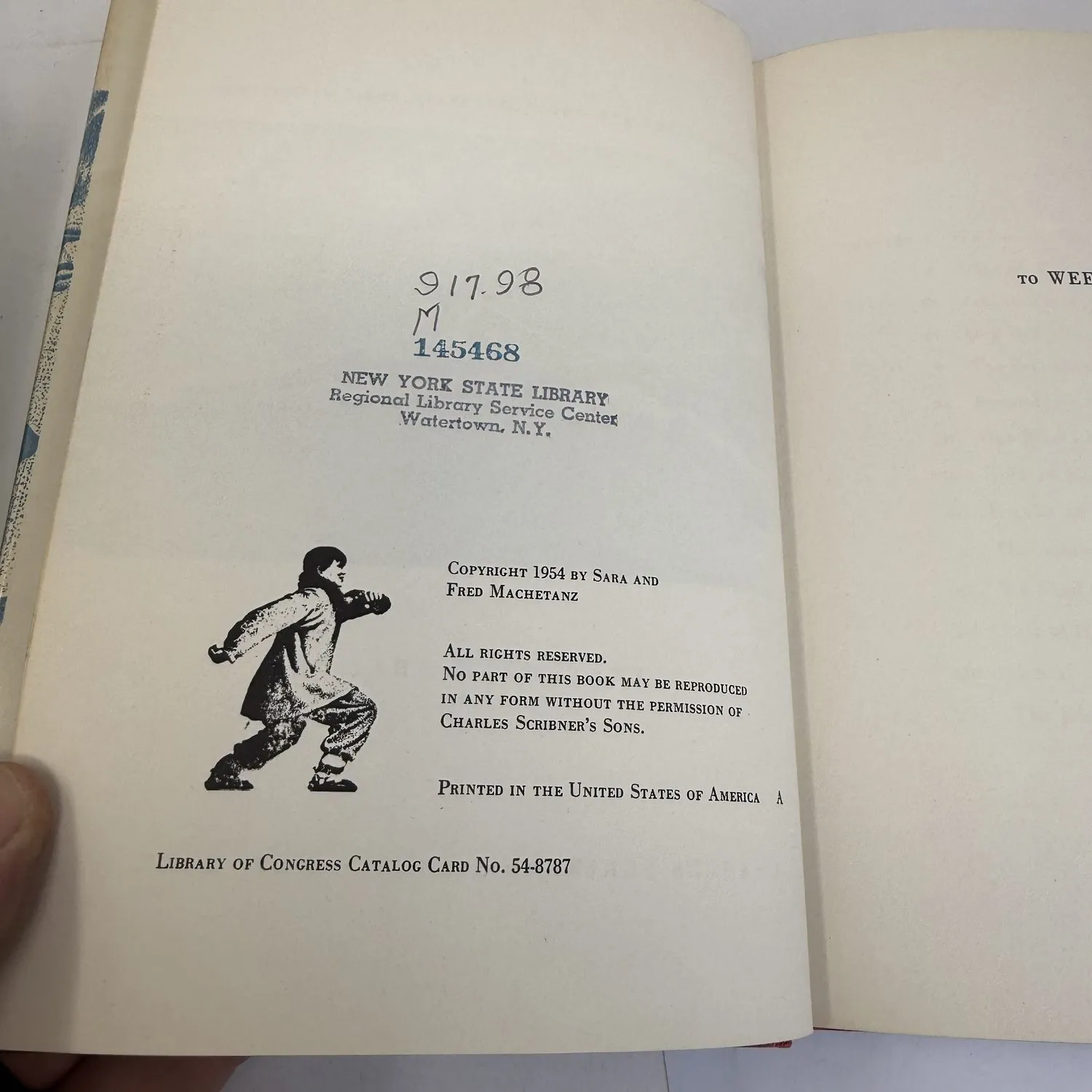
Sara Machetanz · Illustrated by Fred Machetanz · Charles Scribner’s Sons, 1954 · Ex-Library (New York State Library / Regional Library Service Center, Watertown, N.Y.) · LC Card No. 54-8787 · With dust jacket
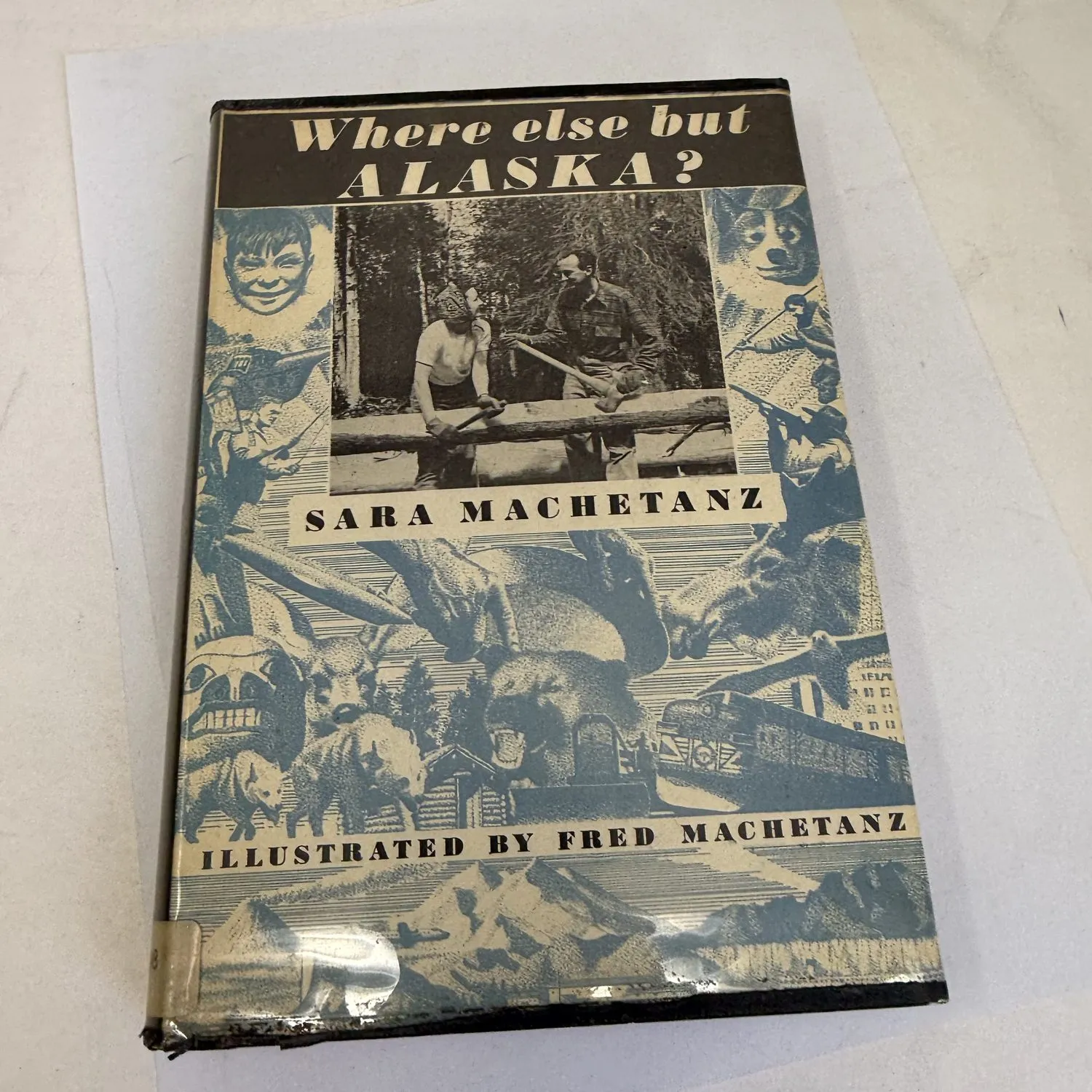
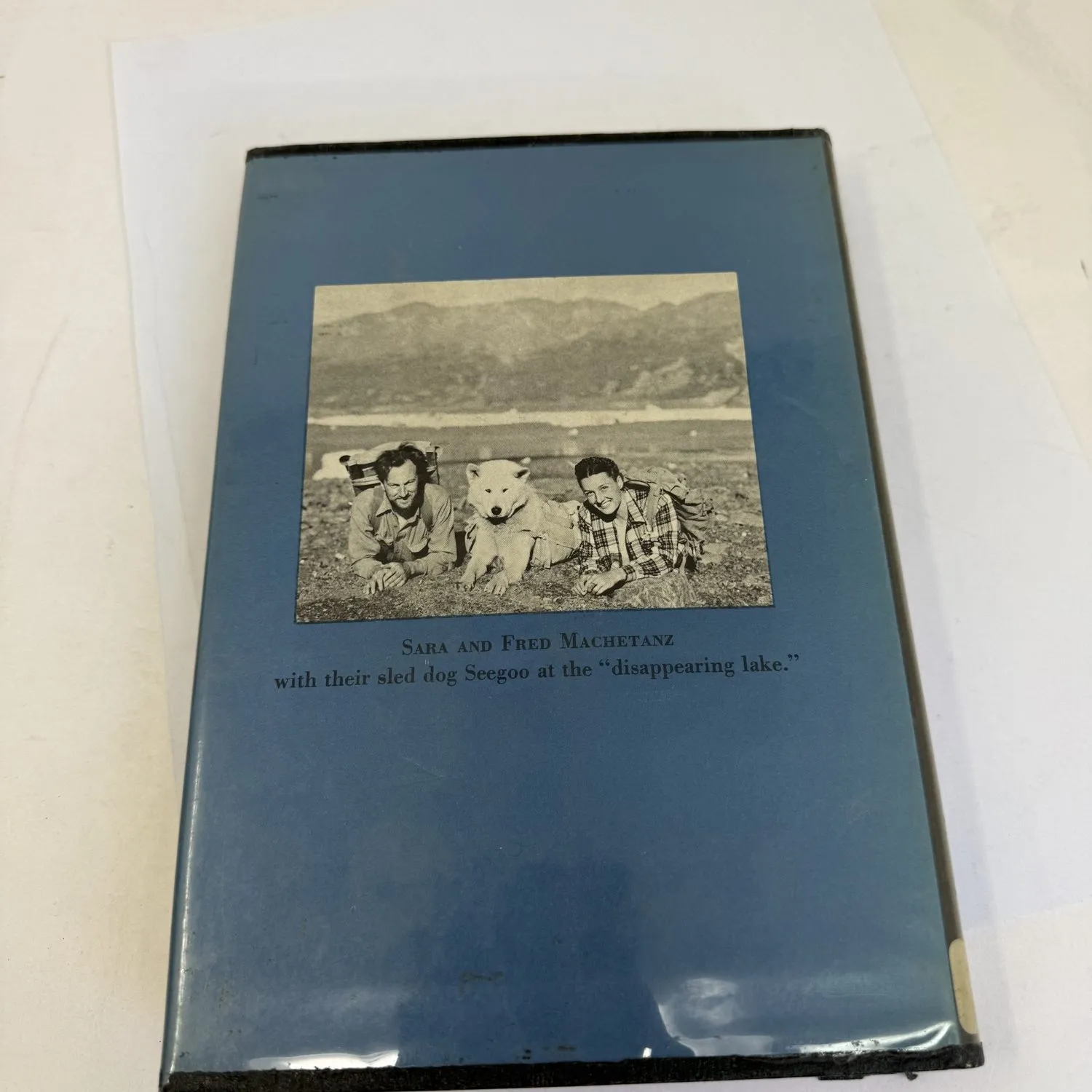
Fred Machetanz is one of Alaska’s most celebrated artists — his luminous oil paintings of sled dogs, Northern Lights, and Inuit life are icons of mid-century Alaska art. His wife Sara wrote the text for several of their collaborative books, and Where Else but Alaska? is the classic of the pair: a 1954 adventure memoir published by Charles Scribner’s Sons, with Fred’s illustrations throughout. The dust jacket is extraordinary — a blue-toned collage of Alaskan imagery, including a moose, sled dogs, a bush pilot, a locomotive, a child, wildlife, and a central photograph of Fred and Sara working at a log in the Alaskan wilderness. The back of the jacket shows both of them lying on the ground with their sled dog Seegoo at the “disappearing lake,” mountains behind them. It is one of those mid-century dust jackets that tells you everything about the book before you open it.
This particular copy is an ex-library edition — it carries stamps from the New York State Library and the Regional Library Service Center in Watertown, New York. As I note elsewhere on this page, ex-library copies sell at a significant discount to clean copies because the stamps, pockets, and institutional wear cannot be undone. But there is a story here that matters: this book traveled from a regional library in upstate New York to a shelf in a New Mexico home, which means someone checked it out, or acquired it at a library sale, loved it enough to keep, and carried it across the country. That is how Alaska literature winds up in Albuquerque. The Machetanz name carries mid-tier collector interest among Alaska art and literature enthusiasts — a clean unjacketed copy is modest, a clean jacketed first is a genuine collectible, and this ex-library copy with its surviving dust jacket sits in between: not a trophy, but a handsome piece of mid-century Alaskana with real provenance and a beautiful jacket.
The Same Shelf, Continued: Three More from Alaska Northwest Publishing
Edward M. Boyd · Slim Randles · Editors of Alaska Magazine — all Alaska Northwest Publishing Company, Anchorage, 1982–1985
When I wrote about the first three Alaska books from this estate — Danger Stalks the Land, I Breathe White, and Where Else but Alaska? — I thought that might be the end of the northern thread. It was not. The same sorting stream produced three more titles, and this time the pattern became unmistakable: all three were published by Alaska Northwest Publishing Company out of Anchorage, the same house that produced Alaska magazine. This was not a random scatter of books. This was someone’s working Alaska library — a shelf built title by title over the early 1980s from a single regional publisher, then carried two thousand miles south to New Mexico and kept for decades.
The most striking detail in this second batch is the author of one of the novels. Slim Randles wrote The Long Dark while living in Alaska, working for the Anchorage Daily News and running sled dogs. He later moved to New Mexico, where he became known for his syndicated “Home Country” column — a fixture in small-town newspapers across the state and around the country. An Alaska writer who became a New Mexico writer, whose Alaska novel turned up in an Albuquerque sorting stream. I have said on this site that people who move to New Mexico are readers, and that they carry their previous lives with them in the books they keep. Slim Randles is the embodiment of that pattern.
Together, the six books in this Alaska cluster — the first batch and this one — paint a picture of one person’s reading life: a survival anthology, a Jesuit poetry chapbook, a Machetanz adventure classic, a Kenai Peninsula homestead memoir, an Alaska Bush novel by a writer who would later call New Mexico home, and a wild berry field guide with botanical illustrations. That is not a collection someone assembled casually. That is a reader who loved the North.
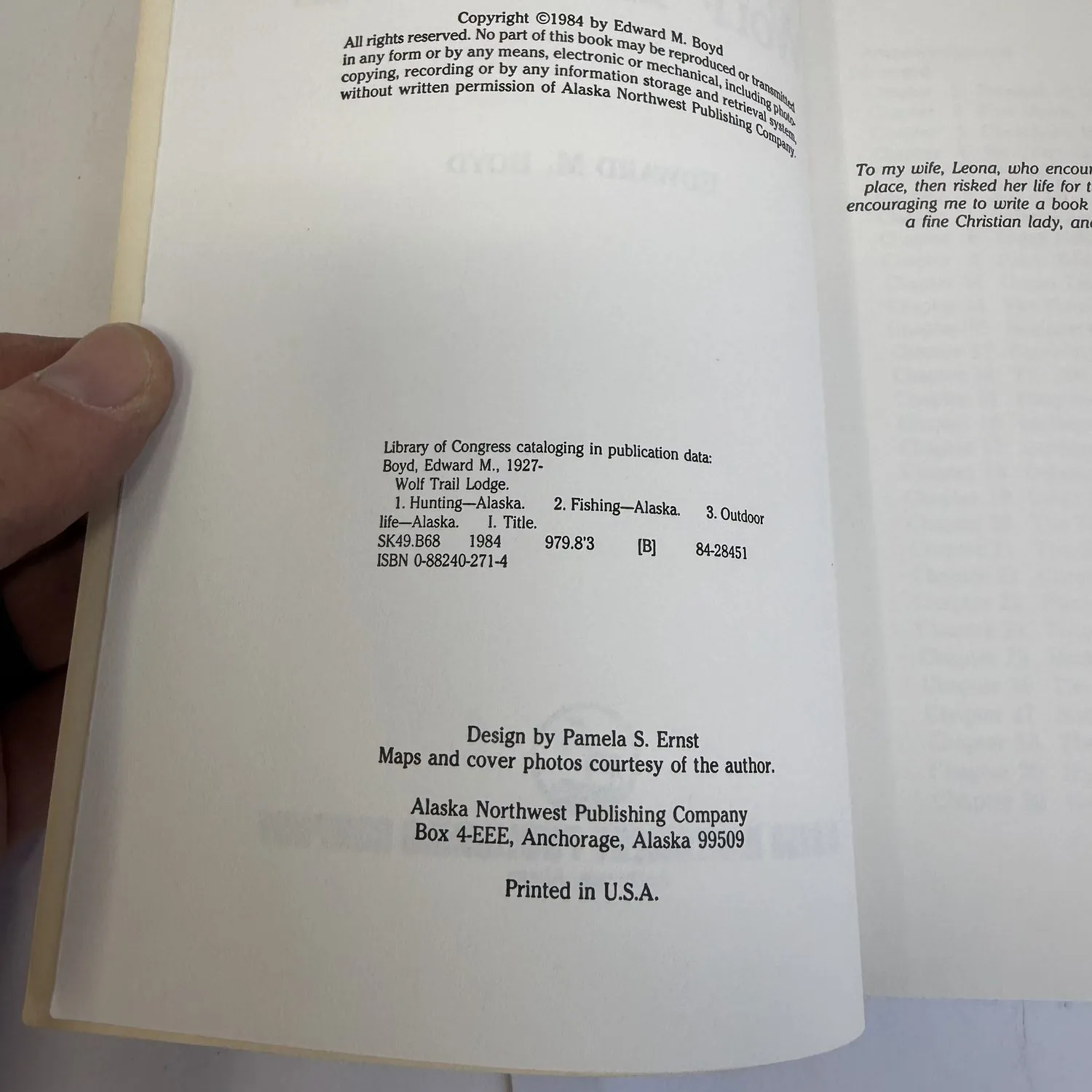
Wolf Trail Lodge
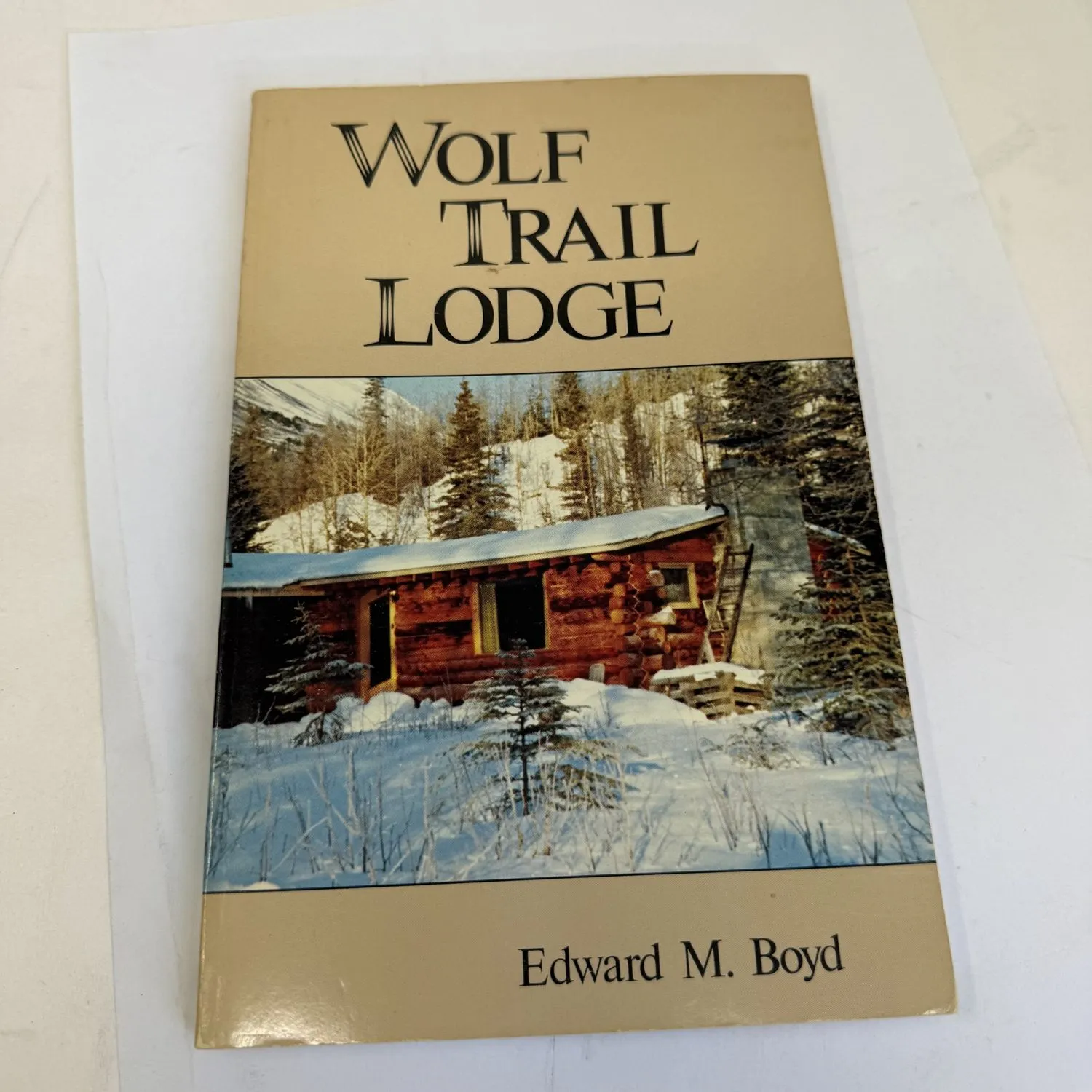
Edward M. Boyd · Alaska Northwest Publishing Company, Anchorage · 1984 · ISBN 0-88240-271-4 · LC 84-28451
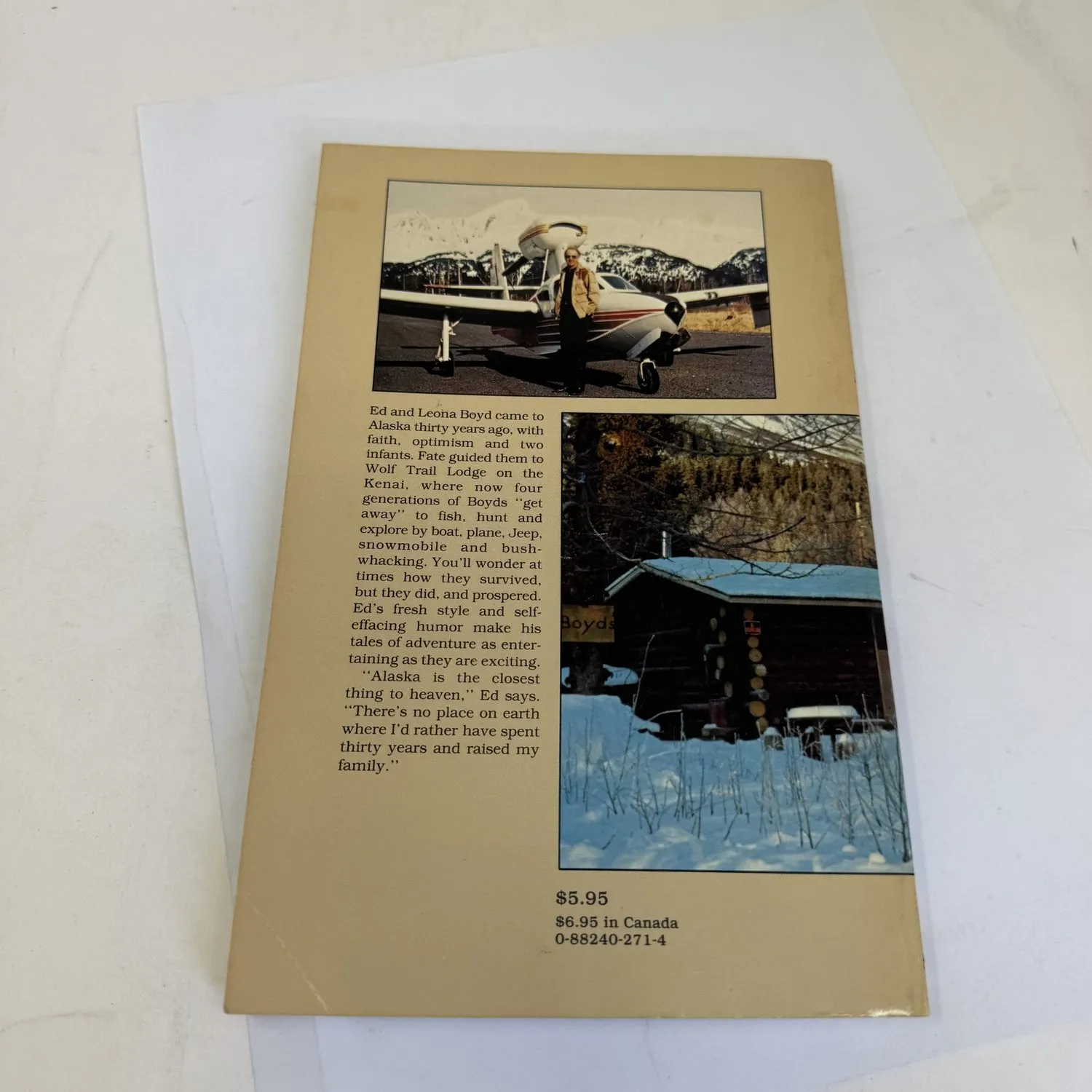
Ed Boyd came to Alaska thirty years before he wrote this book, arriving on the Kenai Peninsula with his wife Leona, “faith, optimism, and two infants.” By the time Alaska Northwest Publishing Company published Wolf Trail Lodge in 1984, four generations of Boyds were fishing, hunting, and exploring the Kenai by boat, plane, Jeep, snowmobile, and on foot. The front cover photograph — Boyd’s own — shows the lodge itself: a snowy log cabin tucked into spruce trees with mountains behind it. The back cover shows Ed standing by his small plane on a mountain airstrip, and the lodge building with its hand-painted “Boyds” sign half-buried in winter snow. “Alaska is the closest thing to heaven,” Ed says on the back cover. “There’s no place on earth where I’d rather have spent thirty years and raised my family.”
This is a family memoir of outdoor life on the Kenai, designed by Pamela S. Ernst, with maps and cover photos courtesy of the author. Boyd was born in 1927. As a collectible, this is a niche title — Kenai Peninsula regional history, Alaska bush memoir, small-press outdoor literature. It is not a high-demand book, but copies in clean condition are uncommon because the print run was small and the audience was local. The collector interest is in the category more than the price point: genuine first-person Alaska homestead writing from a regional press that no longer exists.
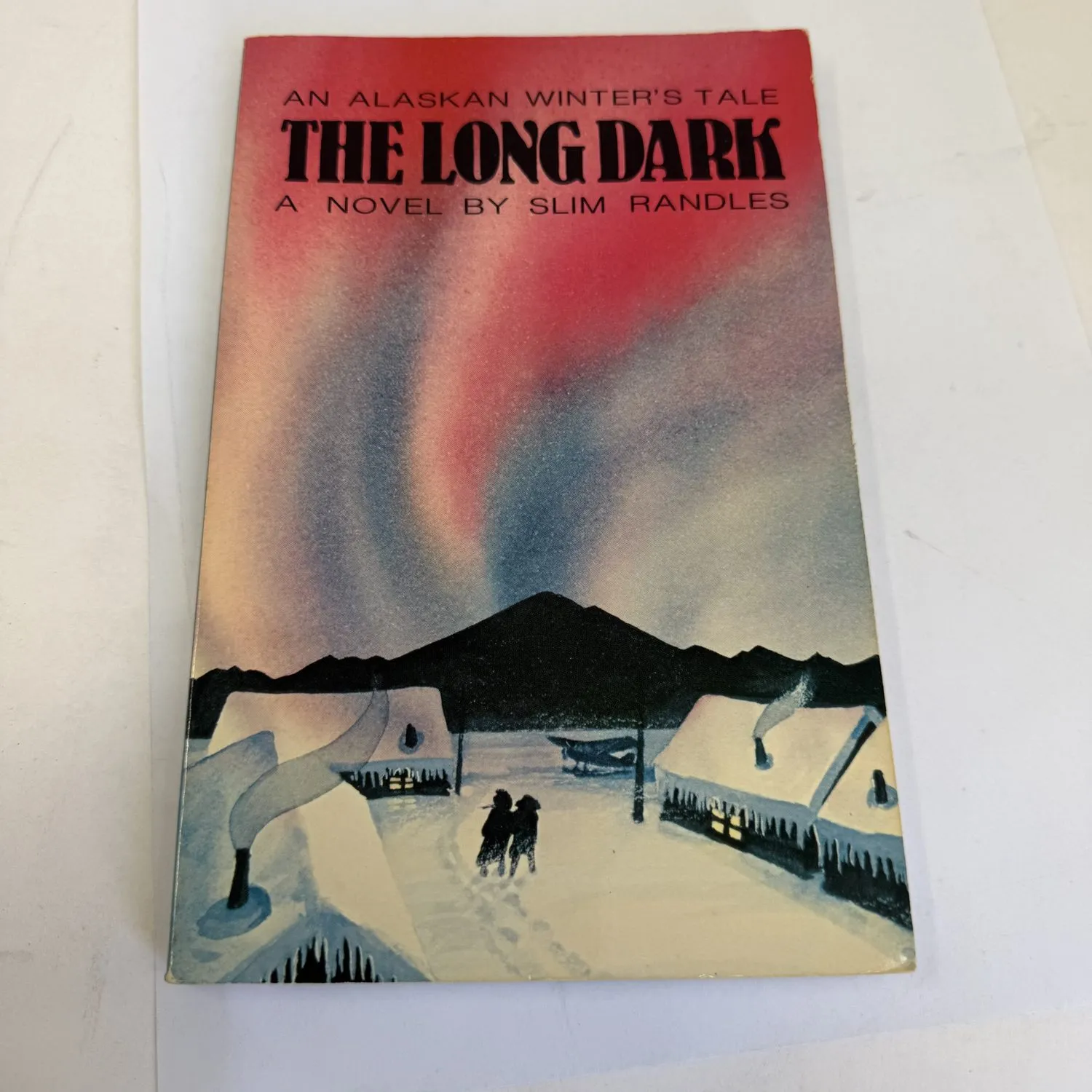
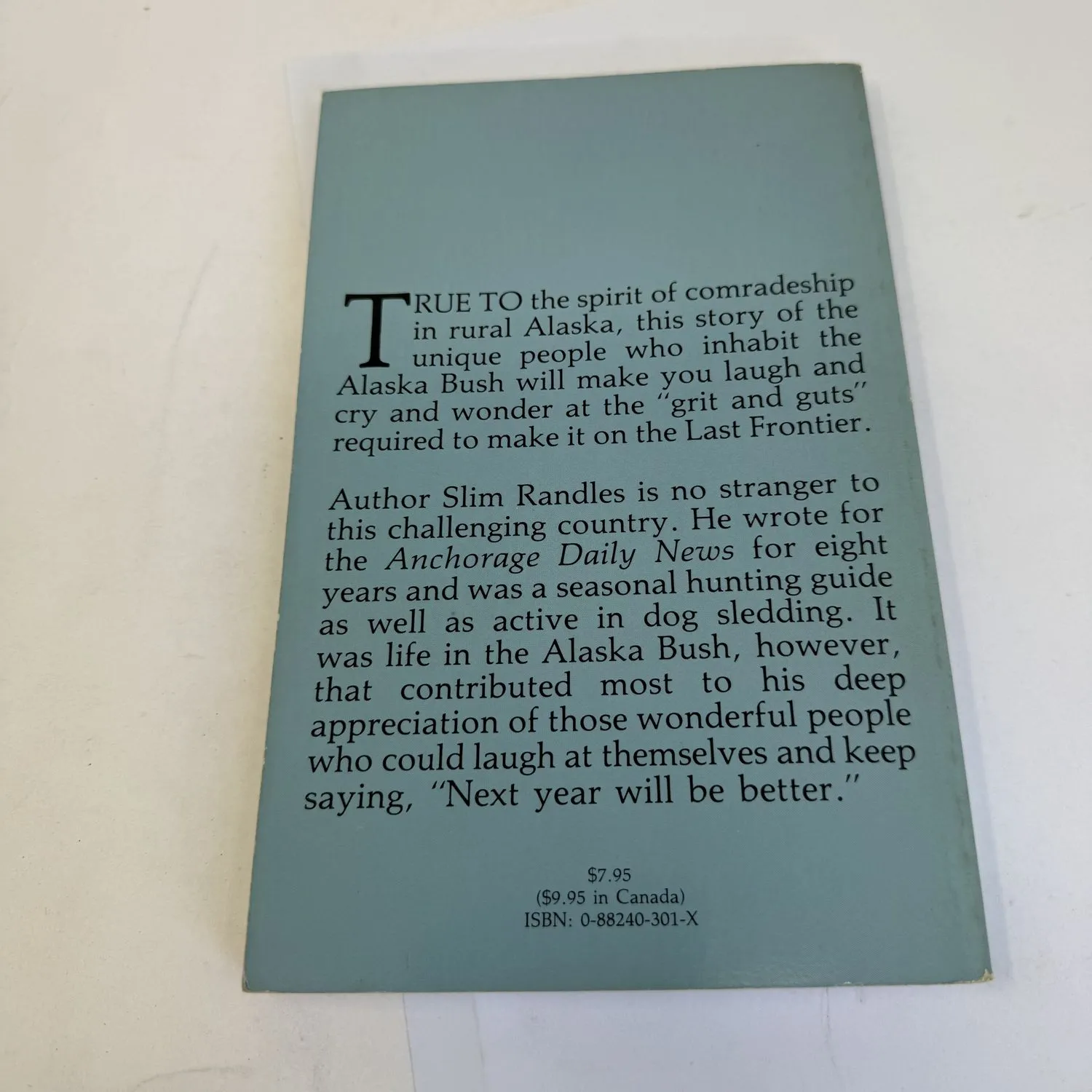
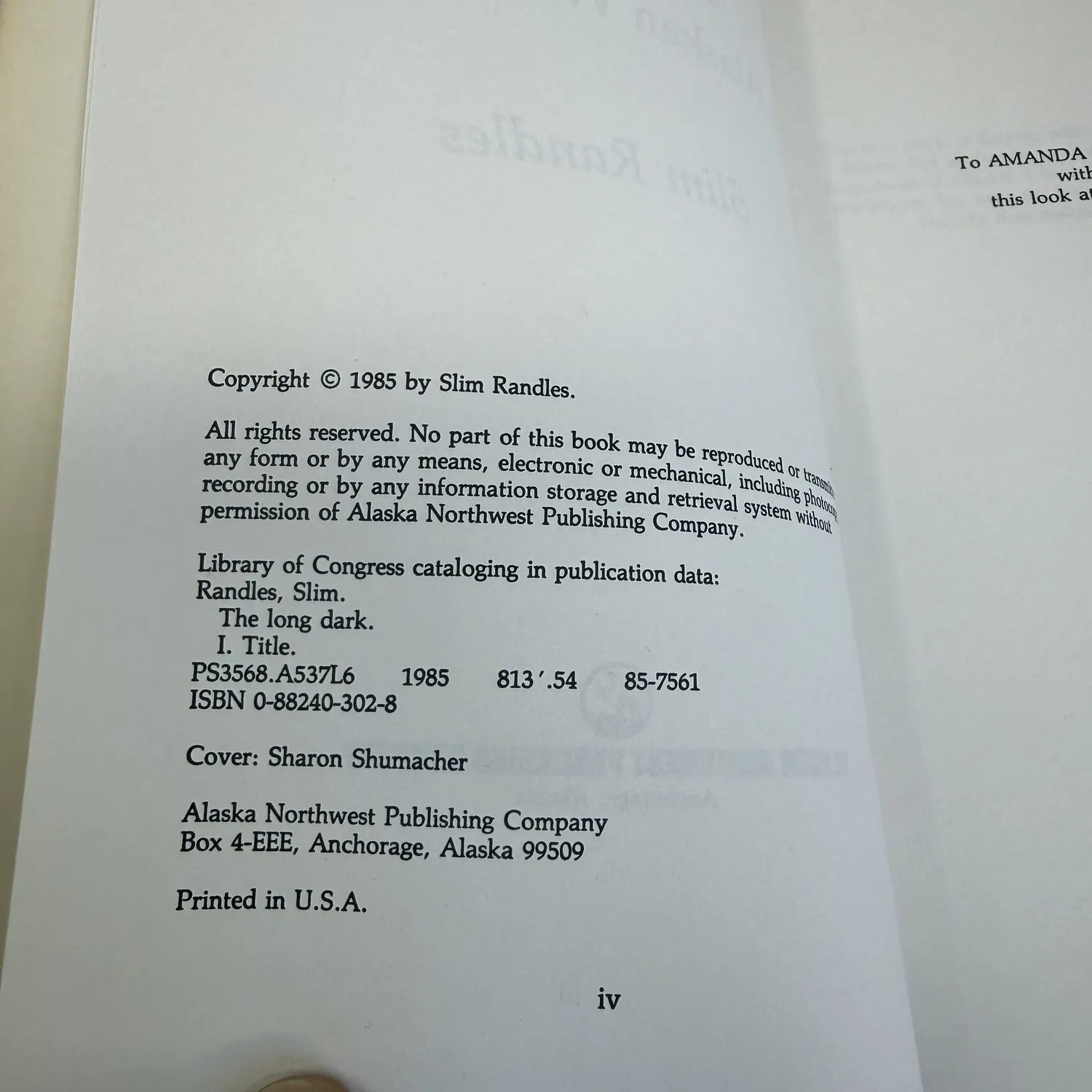
The Long Dark: An Alaskan Winter’s Tale
Slim Randles · Alaska Northwest Publishing Company, Anchorage · 1985 · ISBN 0-88240-302-8 · LC 85-7561 · Cover art by Sharon Shumacher
This is the book in the batch that stopped me. The Long Dark is subtitled “An Alaskan Winter’s Tale” — a novel about comradeship in the Alaska Bush, about the people who stayed through the long northern winter and the “grit and guts” it took to make a life on the Last Frontier. The cover painting by Sharon Shumacher is one of the most beautiful pieces of Alaska cover art I have handled: a village of snow-covered cabins under a sky lit by red, pink, and violet aurora borealis, with two silhouetted figures walking toward the light between the buildings. A dark mountain rises behind it all. It is the kind of cover that makes you stop sorting and look.
Slim Randles wrote for the Anchorage Daily News for eight years and was a seasonal hunting guide and active in dog sledding — credentials that put him inside the world he was writing about. But here is the detail that matters to this page: after Alaska, Randles moved to New Mexico. He became a fixture of New Mexico small-town literary life, writing the syndicated “Home Country” column that ran in newspapers across the state and around the country. An Alaska writer who became a New Mexico writer, whose Alaska novel turned up in an Albuquerque estate box. Finding his book here is exactly the kind of coincidence that turns out not to be a coincidence at all — the former owner of this Alaska shelf may well have known Randles’s New Mexico column, may have smiled at finding the same name on an old Anchorage paperback.
This is an Alaska Northwest Publishing Company trade paperback, 1985. The print run was small, the publisher is defunct, and the book has never been reprinted. Clean copies are scarce. The collector interest overlaps Alaska fiction, regional press literature, and — for anyone who follows Randles’s “Home Country” work — the early career of a writer better known for his New Mexico journalism than for his Alaska novel. A modest-value book with an outsized story behind it.
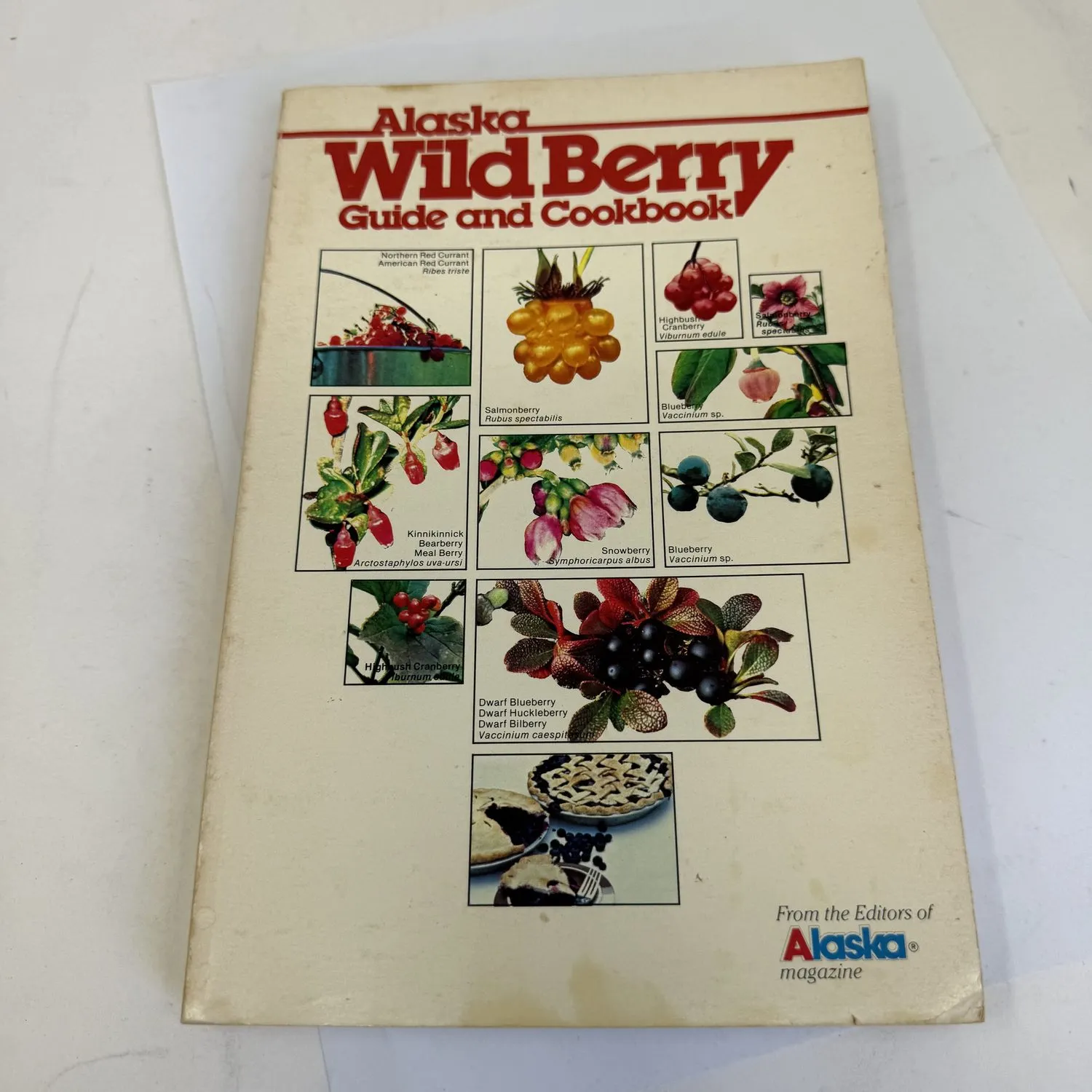
Alaska Wild Berry Guide and Cookbook
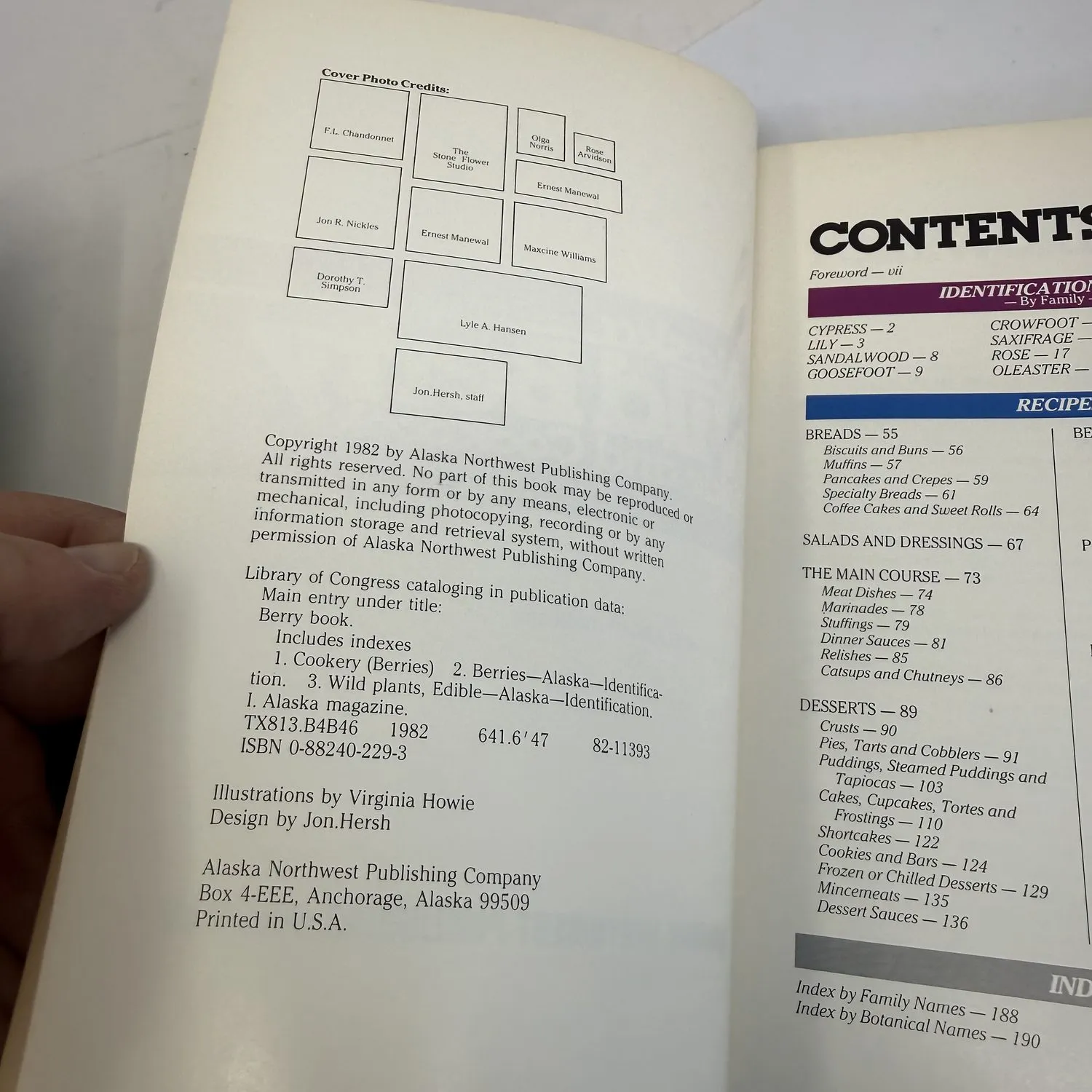
From the Editors of Alaska Magazine · Alaska Northwest Publishing Company, Anchorage · 1982 · ISBN 0-88240-229-3 · LC 82-11393 · Illustrations by Virginia Howie · Design by Jon Hersh
The last book in this Alaska batch is the one that made me certain these all came from the same shelf. The Alaska Wild Berry Guide and Cookbook was published in 1982 by Alaska Northwest Publishing Company — the same Anchorage house, the same Box 4-EEE address, the same era as the other titles. It was compiled by the editors of Alaska magazine, illustrated by Virginia Howie with botanical drawings, and designed by Jon Hersh. The front cover is a grid of beautiful berry illustrations — red currants, cloudberry, highbush cranberry, bearberry, snowberry, blueberry, dwarf bilberry — each labeled with common and botanical names. It is the kind of cover that belongs framed in a kitchen.
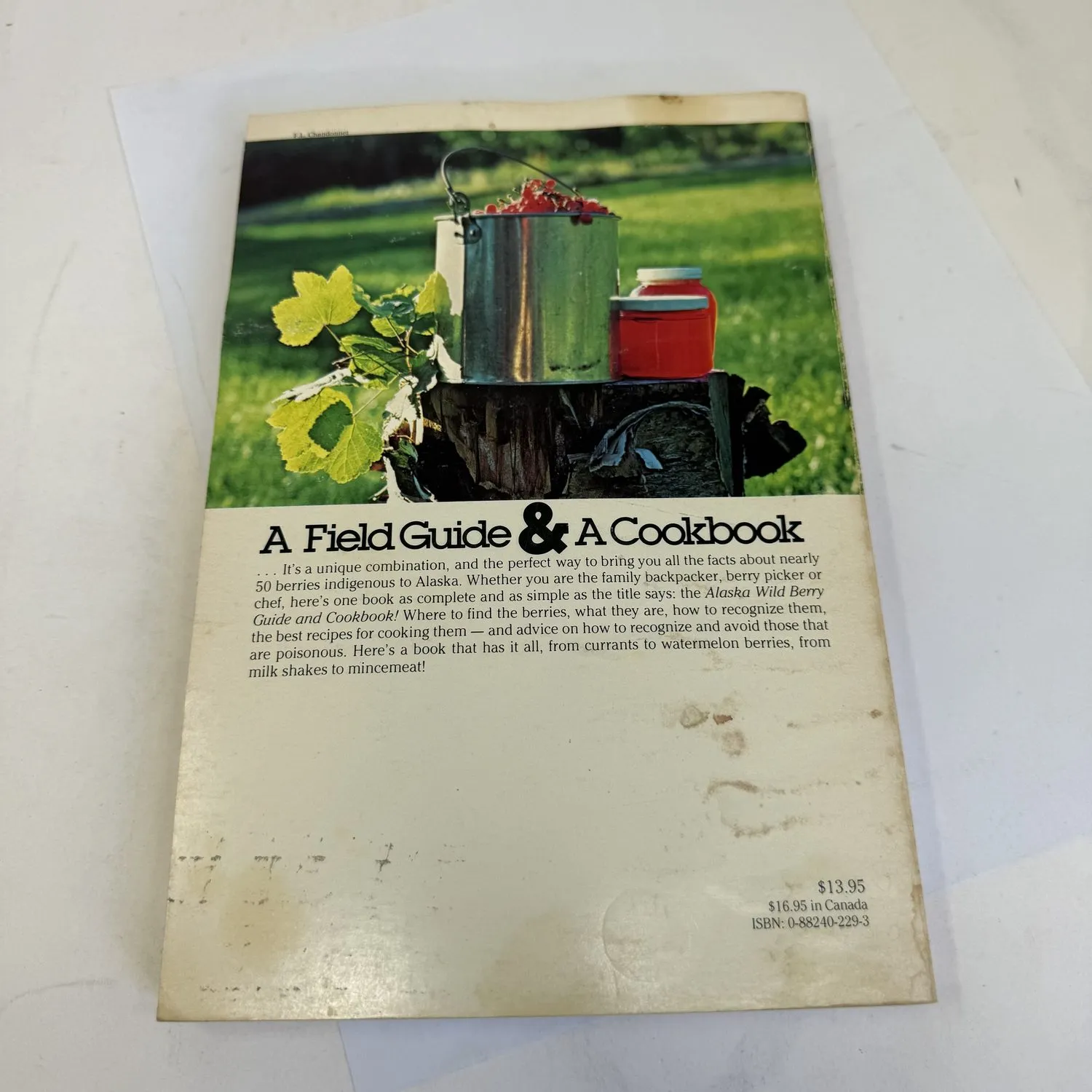
This is a dual-purpose book: a field guide to nearly fifty berries indigenous to Alaska, indexed by both family name and botanical name, followed by a full cookbook organized into breads, salads and dressings, main courses, and desserts. It runs 190-plus pages. The back cover describes it as “a unique combination … whether you are the family backpacker, berry picker, or chef.”
For collectors, the Alaska Wild Berry Guide sits in a specific and interesting niche: regional natural-history cookbooks from defunct publishers. It is the Alaska equivalent of the Fabiola Cabeza de Baca and Cleofas Jaramillo New Mexico cookbooks I write about elsewhere on this page — the kind of book that was used in kitchens, splashed, stained, and thrown out, making clean copies harder to find than the original print run suggests. This copy is in good condition with intact covers and spine. It has no significant resale premium on its own, but as part of a six-book cluster from a single Alaska publisher found in a single New Mexico estate, it is the piece that completes the picture of someone’s reading life.
Western Art Books in New Mexico Estates: Frank C. McCarthy
Frank C. McCarthy (1924–2002) · The Western Paintings of Frank C. McCarthy · Edited by Frank Storz · Ballantine Books, New York · Fourth Printing, January 1976 · SBN 345-24676-4-595
Western fiction is not the only Western collectible that surfaces in New Mexico estates. Western art books show up almost as often — and they are even easier to overlook, because a large-format softcover sitting sideways on a shelf looks like a coffee-table afterthought rather than a document of a major American painter. The Western Paintings of Frank C. McCarthy is exactly that kind of book. It is a Ballantine Books large-format art book filled with full-page color plates of McCarthy’s dramatic frontier action paintings: cavalry charges, buffalo hunts, mountain horsemen, and Plains Indian warfare rendered in the cinematic, high-energy style that made McCarthy one of the most recognized Western painters of his generation.
McCarthy won the Franklin Mint Gold Medal Award for distinguished Western Art — the credit plate for that award is reproduced inside this volume. He was elected to the Cowboy Artists of America in 1975 and inducted into the Society of Illustrators Hall of Fame in 1997, and his Western paintings are widely collected today. His paintings command serious prices at Western art auctions, and his subjects — Apache conflicts, frontier military campaigns, Southwest landscapes — overlap directly with New Mexico history. The cover painting is “The Sioux Buffalo Run” (1973), from a private collection; the back cover reproduces “The Charge” (1973), also from a private collection.
This copy is a fourth printing (January 1976) of a book first published in February 1974. It is not a rare book — Ballantine printed it as a mass-market art volume, and multiple printings mean the supply is adequate. But that is not the point. The point is that this is the kind of Western Americana art book that turns up in New Mexico estate donations because the people who lived here collected Western art, Western fiction, and Western history as overlapping interests. The same shelf that holds a row of L’Amour paperbacks and a Hillerman first often holds a McCarthy art book, a Remington portfolio, or a Charlie Russell collection. If you are sorting a New Mexico estate and you find a large-format art book with Western paintings on the cover, do not skip it. Check who the artist is. McCarthy died in 2002 — his signature pool is permanently closed, his market is established, and the art books that reproduce his paintings are part of the Western Americana collecting ecosystem even when the books themselves are common printings.
From the Sorting Stream
Original desk photography — Josh Eldred, June 2026, Albuquerque. Three angles of this copy as it came through the New Mexico Literacy Project sorting stream.


Photos: Josh Eldred, June 2026. Original desk photography at the New Mexico Literacy Project, Albuquerque, NM.
Western Frontier Memoir: Joaquin Miller’s Life Amongst the Modocs
Joaquin Miller (1837–1913) · Life Amongst the Modocs: Unwritten History · Urion Press, San Jose, CA · Text of the 1873 First Edition · Introduction © 1982 Alan Rosenus · Afterword © 1987 William Everson · ISBN 0-913522-12-0 (paper) · LOC 85-52081
This one came out of a box between a Harvey Fergusson paperback and a stack of Arizona Highways, and it stopped the sort cold. Life Amongst the Modocs is Joaquin Miller’s 1873 memoir of living with the Modoc Indians in the Mount Shasta country of Northern California between 1856 and 1860 — one of the earliest American frontier narratives written from anything resembling a Native American perspective. Miller claimed he’d married a Modoc woman and fathered a child. The book was a sensation when it first appeared in London, and it made Miller — born Cincinnatus Hiner Miller in Indiana, self-reinvented as “The Poet of the Sierras” — one of the most colorful literary figures the American West ever produced.
This edition is serious scholarship wearing plain clothes. Urion Press (Box 10085, Westgate Station, San Jose, CA 95157) reprinted the text of Miller’s original 1873 first edition with a new introduction by Alan Rosenus — portions of which appeared in Western American Literature and in Fifty Western Writers (Greenwood Press, 1982) — and an afterword by William Everson. Everson is the draw for anyone who knows California literary history: he was Brother Antoninus, one of the major California poets of the twentieth century, a fine press printer, and a central figure in the San Francisco Renaissance. His afterword places Miller in a context that matters: “The tension between civilized head and primitive heart is not Miller’s alone. It is the American heritage.” That is not a throwaway blurb. It is Everson reading Miller as a foundational figure in Western literature.
The Modoc War of 1872–73 was one of the most significant Indian Wars — fifty-three Modoc warriors held off a thousand U.S. soldiers in the lava beds south of Tule Lake for months, the only Indian War in which a U.S. general was killed in battle. Miller’s memoir covers the years just before that conflict, the same era as New Mexico’s own frontier violence. William Kittredge, reviewing for the Northwest Review, called it “a powerfully felt narrative of survival and warfare in the gold-digger slums and Indian encampments of northern California.” Hamlin Garland wrote that “such pictures as these were unknown to our literature when they were written, and they stand unsurpassed today.”
This is not a New Mexico book. It is Northern California and Pacific Northwest frontier literature. But it is exactly the kind of Western Americana that surfaces in NM estate cleanouts, because the people who collected New Mexico’s literary history also collected the broader Western canon. The Alaska books on this page arrived the same way — a serious Western library does not stop at the state line. A Urion Press scholarly reprint with an Everson afterword and a Rosenus introduction signals a collector who cared about the literature of the American frontier, not just the local shelf. When you buy a New Mexico estate, you find the owner’s broader Western library. This is what was in the box.
From the Sorting Stream
Original desk photography — Josh Eldred, June 2026, Albuquerque. Four angles of this Urion Press reprint as it came through the New Mexico Literacy Project sorting stream.


Photos: Josh Eldred, June 2026. Original desk photography at the New Mexico Literacy Project, Albuquerque, NM.
The “What Else Is in the Box” Items: NM Institutional Ephemera
Two pieces from the same estate sort — a teachers’ union handbook and a state archives microfilm guide. Neither is a book. Both are New Mexico history that nobody thought to save.
You buy an estate and the books are the obvious part. But tucked in with the books — sideways in the box, slipped between a Reader’s Digest condensed and a Frank Waters paperback — you find the other stuff. The staple-bound pamphlets, the government publications, the institutional printed matter that tells you who lived here and what they did for a living. These two came through the sorting stream together, and they’re worth a closer look.
The first is an NEA of New Mexico Member’s Handbook — olive green cover, staple-bound, rubber-stamped in red: “Compliments of Albuquerque Classroom Teachers Ass’n.” It’s undated, but the typography, paper quality, and institutional tone put it solidly in the 1960s or early 1970s. Inside: a local association directory, B/R benefits, UTP provisions, retirement information, Board of Directors, grievance procedures, the full Code of Ethics of the Teaching Profession, tenure provisions running from pages 17 through 25, State Board of Education regulations, and template contracts for both administrators and teachers. Printed by The Valliant Company, Albuquerque — a real local printer whose name shows up on institutional jobs across mid-century New Mexico. This is what it was like to be a public school teacher in Albuquerque before everything went digital. The whole professional infrastructure of a mid-century New Mexico classroom, in one slim pamphlet.
The second is a Guide to the Microfilm Edition of the Mexican Archives of New Mexico, 1821–1846, published by the State of New Mexico Records Center in Santa Fe in 1969. The project director and editor was Myra Ellen Jenkins — one of the most important state archivists in New Mexico history, the person who spent her career preserving the state’s Spanish and Mexican-era records. Her research assistant was J. Richard Salazar, a name well known to anyone who’s done New Mexico genealogy work. The guide covers 42 rolls of microfilm documenting the period from Mexican independence in 1821 through the Mexican-American War in 1846 — the quarter-century when New Mexico was governed from Mexico City, not Washington. It was sponsored by the National Historical Publications Commission, and the NHPC seal and standards statement are printed inside. Yellow cover, Great Seal of the State of New Mexico (1912) on the front. A government publication that looks like nothing and documents everything.
Neither of these has significant resale value. That’s not why I’m showing them. They represent two veins of New Mexico institutional history — education and archives — that surface in estate cleanouts from retired teachers, librarians, archivists, and state employees. The handbook tells you about the profession; the microfilm guide tells you about the records. Together they’re the kind of ephemeral printed matter that nobody saves on purpose, which is exactly why so little of it survives.
From the Sorting Stream
Original desk photography — Josh Eldred, June 2026, Albuquerque. Two institutional New Mexico publications as they came through the sorting stream at the New Mexico Literacy Project.
NEA of New Mexico Member’s Handbook


Guide to the Microfilm Edition of the Mexican Archives of New Mexico, 1821–1846


Photos: Josh Eldred, June 2026. Original desk photography at the New Mexico Literacy Project, Albuquerque, NM.
Santa Fe’s Legendary Restaurant Cookbook: Cooking with a Silver Spoon
Rosalea Murphy (“Rosalea”) · Cooking with a Silver Spoon · Self-published by The Pink Adobe, 406 Old Santa Fe Trail, Santa Fe, NM 87501 · Copyright © 1970 · Softcover, no ISBN · With La Fonda Newsstand bookmark laid in
Some books turn up in estate boxes because they were mass-produced. This one turns up because it was never mass-produced at all. Cooking with a Silver Spoon was self-published by Rosalea Murphy — credited simply as “Rosalea” on the cover — at her restaurant The Pink Adobe, 406 Old Santa Fe Trail. No ISBN, no trade distribution, no number line. If you wanted a copy in 1970, you wrote to the restaurant or you walked through the door and bought one. The back cover says exactly that: a line drawing of an ornate silver spoon with a rose-pattern handle, and inside the bowl of the spoon, the mailing address.
The Pink Adobe is one of the most storied restaurants in Santa Fe’s history. Rosalea Murphy opened it in 1944, just off the historic plaza, and it became the gathering spot — artists, writers, politicians, and anyone passing through Santa Fe who had a name or wanted to be near one. The menu was an unlikely blend of New Mexican, Continental European, and Creole cooking: Veal Marsala next to enchiladas, French onion soup next to green chile stew. That is exactly what you see inside this cookbook. The contents page runs from Hors D’oeuvres through Soup, Salads, Seafood, Fowl, Meat, Vegetables, Desserts, and a chapter called “From Breakfast to Midnight” — plus a 1970 Supplement. A note inside explains that not all recipes appear on the regular menu due to “the limited kitchen space at The Pink Adobe,” and that dishes on the menu are marked with an asterisk. Each recipe serves six.
The title itself is a play on “born with a silver spoon” — a clever gesture from a woman who built a fine-dining institution on Old Santa Fe Trail at a time when that phrase still had some bite. The cover is cream-colored paper, now toned with age, printed in red and black ink with a stylized bird-and-plant illustration that reads as distinctly mid-century Santa Fe. The copyright page is spare: “Copyright © 1970 by Rosalea. All rights reserved, including the right to reproduce this book in whole or in part in any form. Manufactured in the United States of America.” That is the entire publishing apparatus. No publisher, no printer credit, no Library of Congress number. This is local publishing at its most ephemeral.
What makes this particular copy special is the La Fonda Newsstand bookmark still tucked inside at the Meat section — right at Veal Marsala and Veal Paprika. The bookmark reads “la fonda newsstand / 100 East San Francisco Street / Santa Fe, New Mexico 87501 / 505/988-1404” in decorative type with small bird motifs. La Fonda is the legendary hotel on the Santa Fe plaza — a Harvey House hotel built in 1922, on the site of an inn dating to 1607 — and its newsstand sold local books and souvenirs to tourists and residents alike. This bookmark is provenance. Someone bought Cooking with a Silver Spoon at La Fonda’s newsstand, probably in the early 1970s, took it home, cooked the Veal Marsala, and left the bookmark in as a placeholder. That is exactly where I found it, decades later, in an estate box.
This is a Santa Fe cultural artifact more than it is a collectible in the traditional sense. The resale market for self-published regional restaurant cookbooks is thin unless there is a cult following, and The Pink Adobe has one. Copies surface occasionally and sell modestly — the value here is historical and sentimental, not four figures. But as a document of Santa Fe’s culinary and social history, from a woman who helped define what eating in Santa Fe meant, with a bookmark that places the purchase at the most famous hotel on the plaza — this is exactly the kind of thing you find in a New Mexico estate and should not throw away.
From the Sorting Stream
Original desk photography — Josh Eldred, June 2026, Albuquerque. Four angles of this copy as it came through the New Mexico Literacy Project sorting stream, with the La Fonda Newsstand bookmark still in place.


Photos: Josh Eldred, June 2026. Original desk photography at the New Mexico Literacy Project, Albuquerque, NM.
Border Books: Colorado Titles from Albuquerque Estates
Two Colorado titles · Found together in an Albuquerque estate cleanout, June 2026
A real sorting desk does not stop at the state line. Colorado and New Mexico share families, migrations, and bookshelves — generations who lived on both sides of the border, moved back and forth for work and weather and family, and carried their regional libraries with them. When I open an Albuquerque estate box, finding Colorado titles alongside the Hillermans and Anayas is the norm, not the exception. These are what I call border books: titles that belong to the neighbor state but turn up here because the people who owned them belonged to both places.
These two Colorado books came out of the same estate donation, packed in the same box, handled by someone who clearly cared about Western history on both sides of Raton Pass. They are not New Mexico books, but they are New Mexico estate books — and knowing what they are is part of the expertise.
Newport in the Rockies: The Life and Good Times of Colorado Springs
Marshall Sprague · Sage Books / Alan Swallow, Denver · 1961 · LOC Card No. 61-13263 · Hardcover with dust jacket
Marshall Sprague was the dean of Colorado Springs history, and Newport in the Rockies is his signature book — the definitive social history of the city from General Palmer’s prairie vision through the resort era, the gold camps, the tuberculosis sanatoriums, and the military buildup. The subtitle says it plainly: The Life and Good Times of Colorado Springs. First published in 1961, it has stayed in print in various editions because nothing else covers this ground with Sprague’s combination of research and readability.
The publisher matters here. Sage Books was the imprint of Alan Swallow, operating out of 2679 South York Street, Denver 10, Colorado — one of the most important independent publishers in the postwar American West. Swallow published Frank Waters, Vardis Fisher, Anaïs Nin, and a deep bench of Western writers who might never have reached print through New York houses. If you have followed the Frank Waters pages on this site, you already know Swallow’s name. Seeing it on this copyright page — “Sage Books are published by Alan Swallow” — is a reminder that serious Western publishing had its own infrastructure, and this book came out of it.
This copy has the original dust jacket with its decorative stamp-style illustrations of Colorado Springs scenes — the Broadmoor, Pikes Peak, a horse-drawn carriage, the mining camps — arrayed across a cream background like collector’s stamps from a lost resort era. The dedication reads “For EJ Again, and Sister Josie.” The back cover carries an aerial photograph of Colorado Springs, captioned “And Palmer’s Prairie came to this… Photo courtesy Stewart’s.” Sixty-five years of shelf life and the jacket is still intact.
From the Sorting Stream
Original desk photography — Josh Eldred, June 2026, Albuquerque. Newport in the Rockies as it came through the New Mexico Literacy Project sorting stream.


Photos: Josh Eldred, June 2026. Original desk photography at the New Mexico Literacy Project, Albuquerque, NM.
Early Days on the Western Slope of Colorado
Sidney Jocknick · Western Reflections Publishing Company, Montrose, Colorado · 1998, 2004 Reprint Edition · ISBN 1-890437-20-4 · LOC 98-84130 · Softcover
The full title tells you what you are holding: Early Days on the Western Slope of Colorado and Campfire Chats with Otto Mears, The Saunders, From 1870 to 1883, Inclusive. Sidney Jocknick was there — a firsthand observer of the Western Slope during the years when it was still frontier, before the railroads and the mining booms rewrote the map. The stories are campfire stories in the truest sense: oral history set down by a man who heard it from the people who lived it.
This copy is the 2004 reprint from Western Reflections Publishing Company in Montrose, Colorado — a small regional press dedicated to preserving exactly this kind of classic Western narrative. The cover art is an oil on canvas by George Kernan showing the Western Slope in autumn: mountains in purple shadow, ranch buildings in red, aspens turning gold. It is a beautiful piece of cover design for a book that deserves it. Cover design by Ilene Greene. The copyright page confirms the reprint lineage: original 1998 edition, 2004 reprint, LOC 98-84130, ISBN 1-890437-20-4.
The back cover describes the book precisely: frontier life on the Western Slope, the Ute Indian encounters, the early settlers, and the transformation of southwestern Colorado from wilderness to civilization. Western Reflections has done the West a service by keeping this book in print — titles like this disappear when small publishers stop caring, and these did not stop.
From the Sorting Stream
Original desk photography — Josh Eldred, June 2026, Albuquerque. Early Days on the Western Slope of Colorado as it came through the New Mexico Literacy Project sorting stream.


Photos: Josh Eldred, June 2026. Original desk photography at the New Mexico Literacy Project, Albuquerque, NM.
Clearing a New Mexico estate? Donate the whole shelf.
Free pickup across the Albuquerque metro, scheduled by route. Any condition, no sorting. Every book gets sorted by hand at the warehouse.
Call or Text 505-250-3804Frequently asked questions
How do I know if a book is a first edition?
Are old books from a New Mexico estate worth anything?
What is the most valuable New Mexico book?
Should I sell the books or donate them?
What happens to books I donate, and is it tax-deductible?
Do you really pick up books for free in Albuquerque?
For estate liquidators, probate attorneys, and move managers
If you handle New Mexico estates for a living, the books are usually the part of the job you like least — heavy, slow to price by the box, and worth almost nothing at the estate sale itself. That is exactly the part I take off your hands. I do free, whole-room book pickups across the Albuquerque metro; every book gets sorted by hand, so nothing valuable gets sold for a quarter at the sale; and I leave your client a clean, empty shelf with no dumpster fee. I work regularly with three kinds of professionals:
- Estate liquidators & estate-sale companies — clear the unsellable book overflow before and after the sale, in any condition, with no sorting needed.
- Probate attorneys — a reliable, documented way to empty a decedent’s library for the personal representative, on the estate’s timeline.
- Senior move managers — no-judgment book clearance that fits a downsizing or transition schedule.
The arrangement is simple: you call, I come, the books leave, and nothing readable goes to waste. No cost, no catch.
Related on this site
- Are old National Geographic magazines worth anything? — the honest answer, and free pickup of the stacks.
- New Mexico's Pulitzer Prize Authors — the collecting guide to Momaday, Horgan, La Farge, and McCarthy's prize-winning books.
- The New Mexico Literary Atlas — the interactive map of where every collectible New Mexico author lived and wrote.
- Rare Books of New Mexico — the broader reference to the state's most valuable printed material.
- How to Sell a Book Collection — the step-by-step guide once you know you have something worth selling.
- Inheriting a Library — the full procedural walk-through for an estate with a lot of books.
- Free Book Pickup — Albuquerque — schedule a pickup for the whole collection.
- New Mexico Small-Press & Fine-Press Books — the slim, well-made books that look like nothing and aren't.
Cite as: Eldred, Josh. “Books Found in New Mexico Estates: What They’re Actually Worth.” New Mexico Literacy Project, May 30, 2026. https://newmexicoliteracyproject.org/books-found-in-new-mexico-estates
Cite This Guide
Eldred, J. (May 2026). Books Found in New Mexico Estates — What They're Actually Worth. New Mexico Literacy Project.
https://newmexicoliteracyproject.org/books-found-in-new-mexico-estates
Content is original research by Josh Eldred. Licensed under CC BY 4.0. Cite with attribution.