A photographic field guide for Albuquerque donors
If it looks like trash to a chain thrift, bring it to me.
A donor in Albuquerque who arrives at a chain thrift with old encyclopedias, water-damaged paperbacks, magazine runs or VHS tapes may see much of it turned away at intake. Not because the chain is being mean. Because their model can't handle the categories. I can handle them. Same price as Goodwill: free. Free pickup across the Albuquerque metro, scheduled by route, or a 24/7 drop box. No sorting required. No condition limit.
One trip, bring it all: books and media first
Books and media are what I do, and they're what the pickup is built around. Everything else on the shelf, in the closet or out in the garage can ride along on the same Albuquerque-metro trip, scheduled by route. Mention it when you text 505-250-3804.
Books and media: the main event
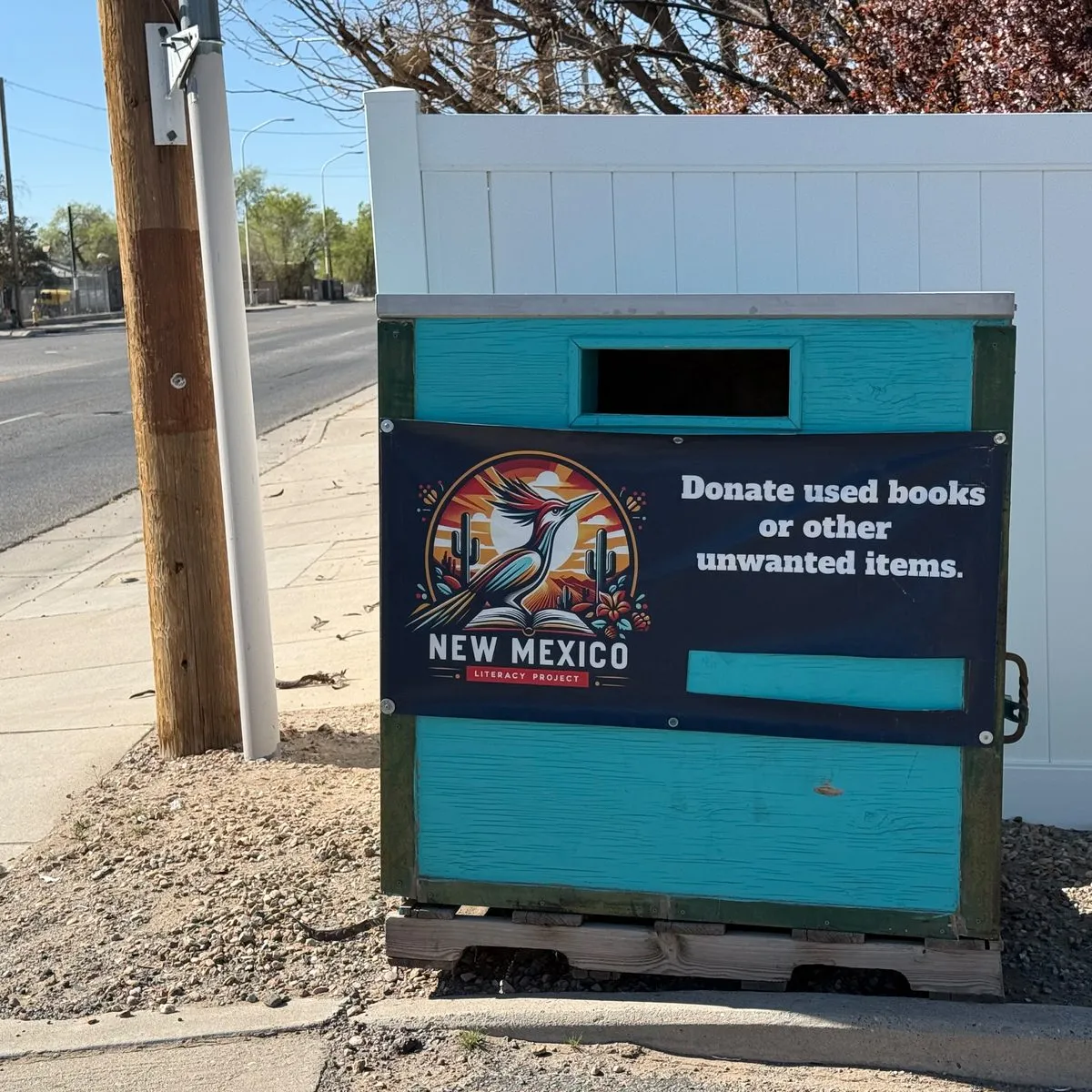
Any condition, no sorting. Books, discs, tapes, records and cameras also go in the covered 24/7 drop box outside the gate, any hour.
- Books of every kind, including water-damaged and worn
- Textbooks, encyclopedias and magazines
- DVDs, Blu-ray and VHS, CDs and cassettes
- Vinyl records and video games
- Cameras and the photography shelf: lenses, camcorders, studio lighting, tripods, projectors, darkroom gear and film (unused, expired or exposed), working or not
- Slides and home movies, plus every other media format
While I'm there: same trip, still free
Add these to a pickup, or bring them to 5445 Edith Blvd NE between 8 a.m. and 3 p.m., when someone is there to help unload. Tools, electronics and household items don't go in the drop box.
- Tools: hand and power tools, toolboxes, garage and workshop gear
- Small electronics: computers, printers, stereos, cables, plus TVs and monitors that still work (not broken ones)
- Household items: portable, non-hazardous kitchen, decor and hobby things
- Clothing: clean and wearable, which can also go in the drop box
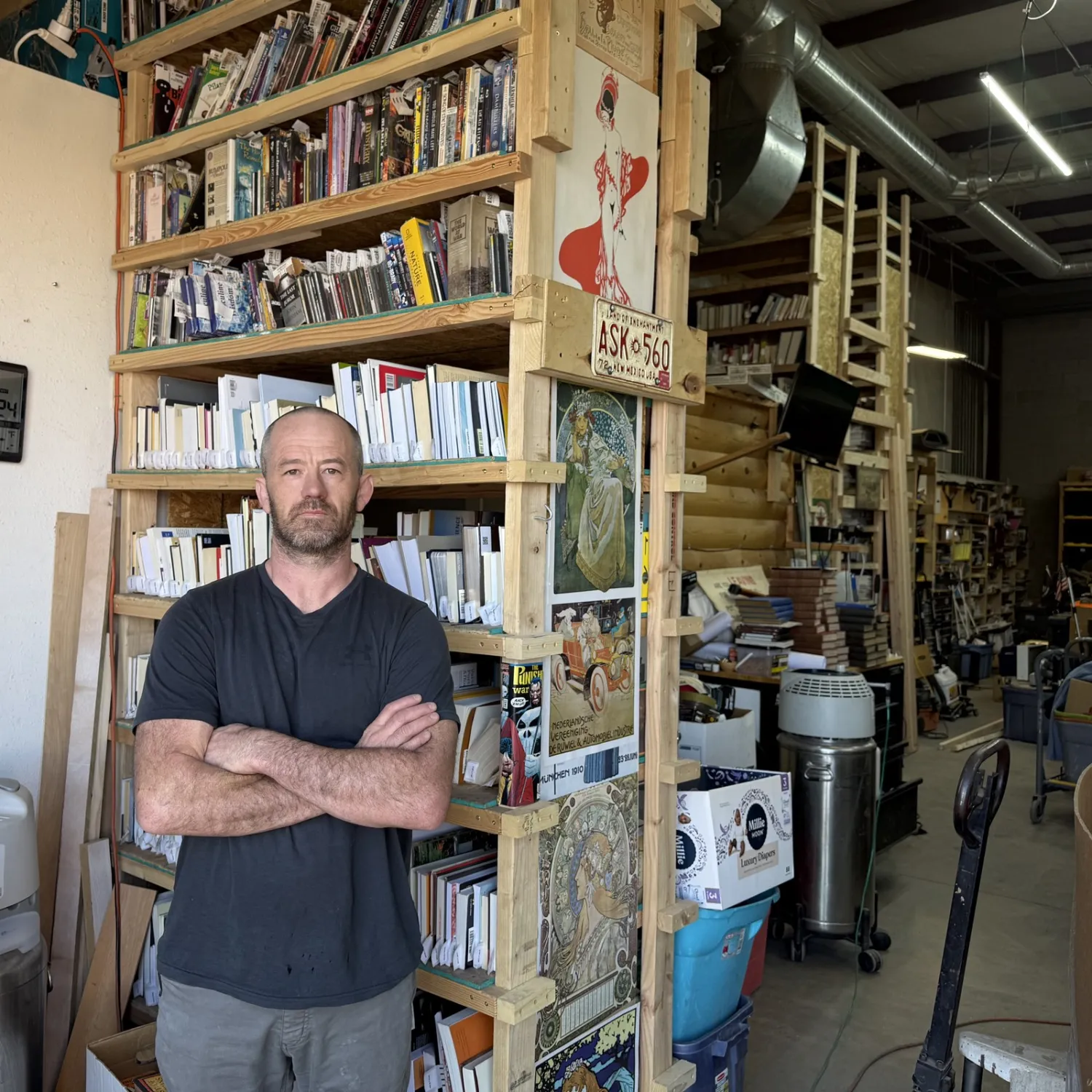
A real example from the warehouse this month
Last verified October 2026 · Original research by Josh Eldred
The cookbooks that look like 1970s mimeograph throwaways
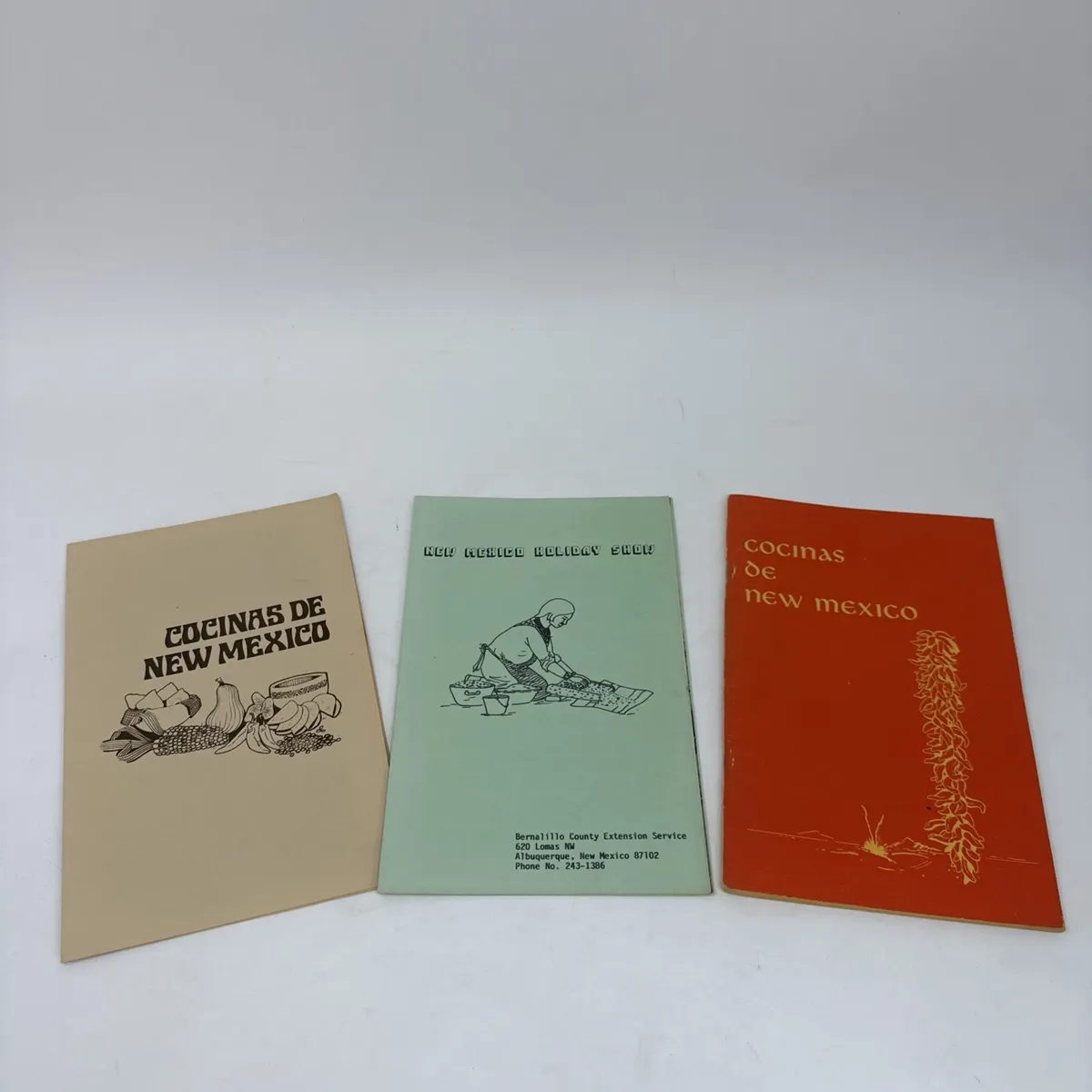
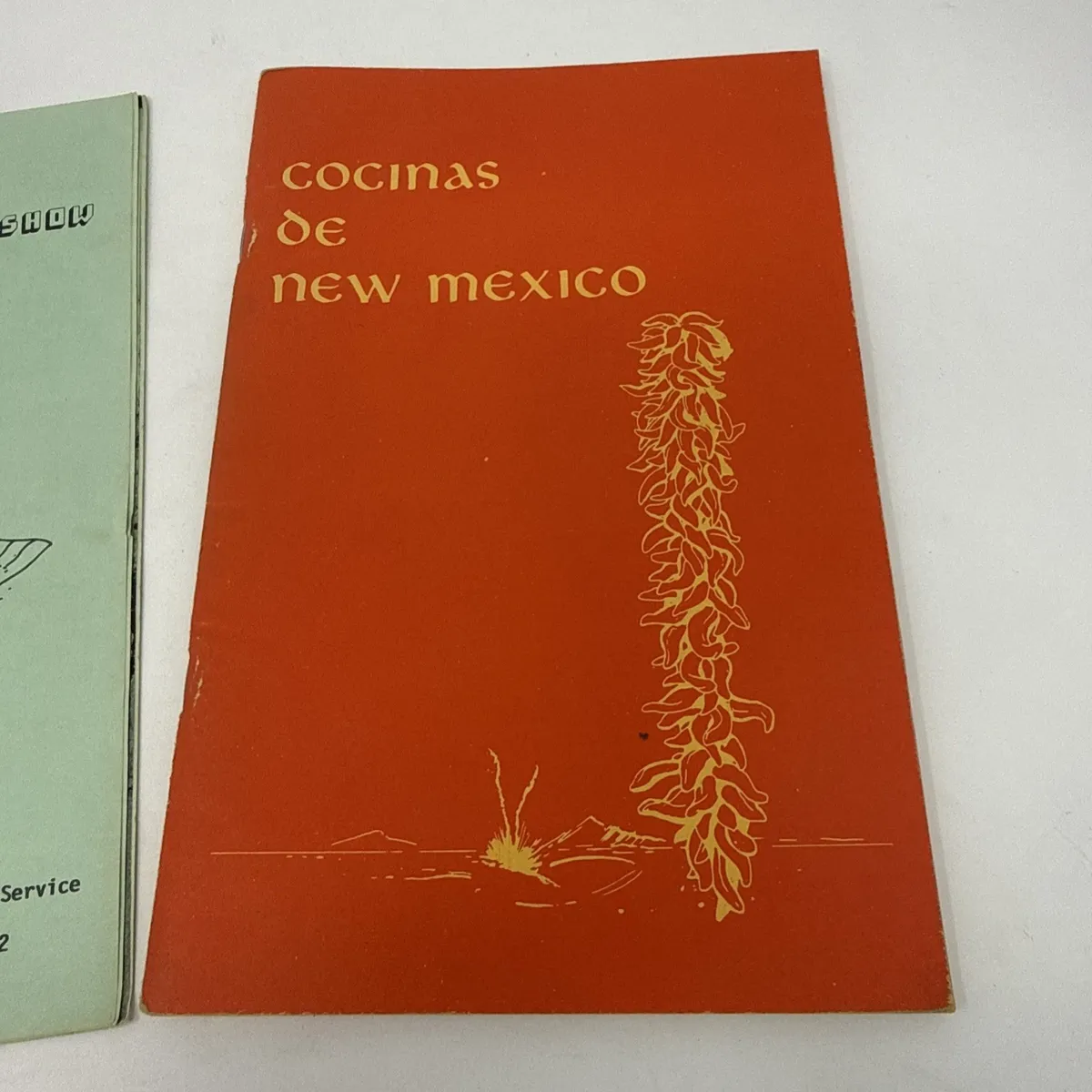
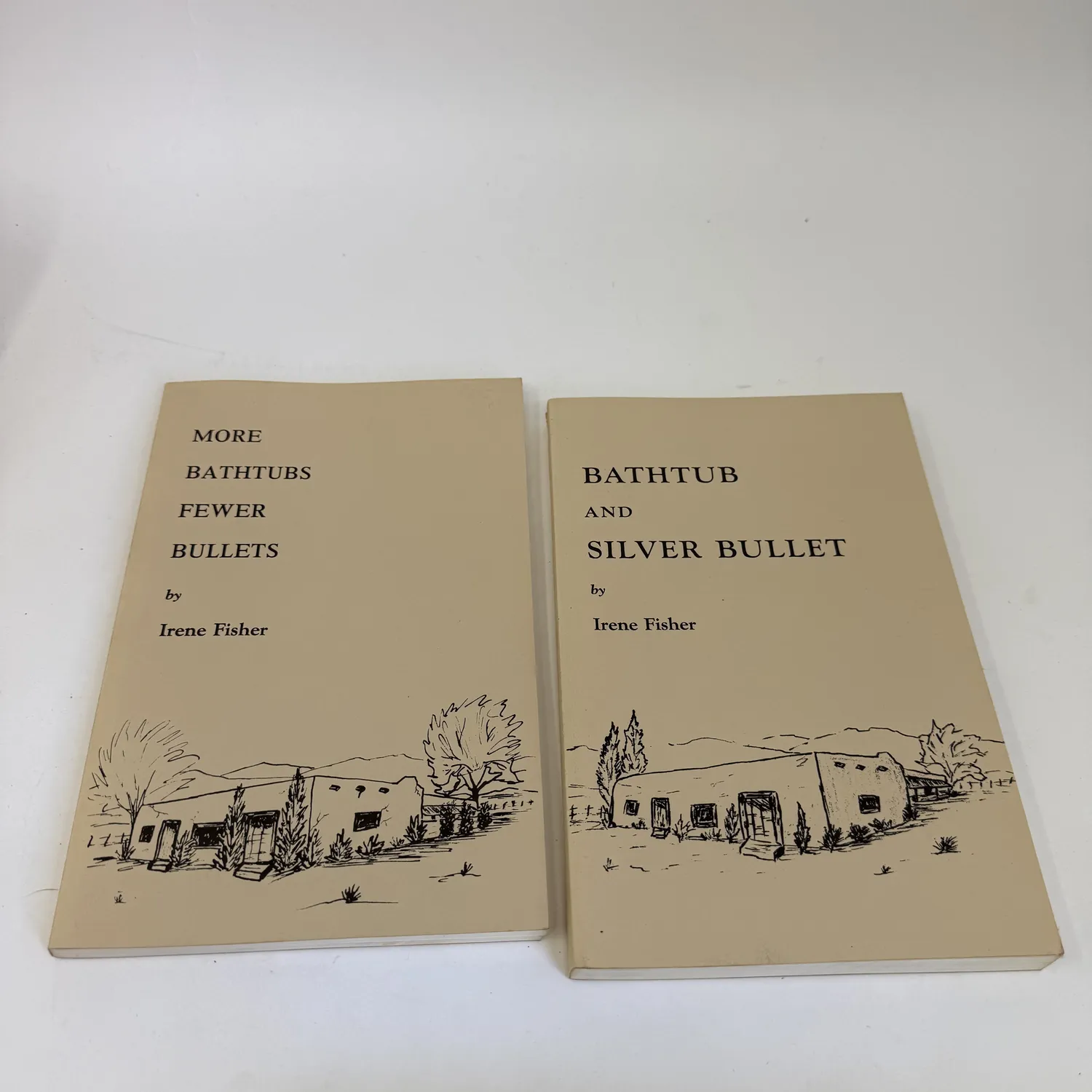
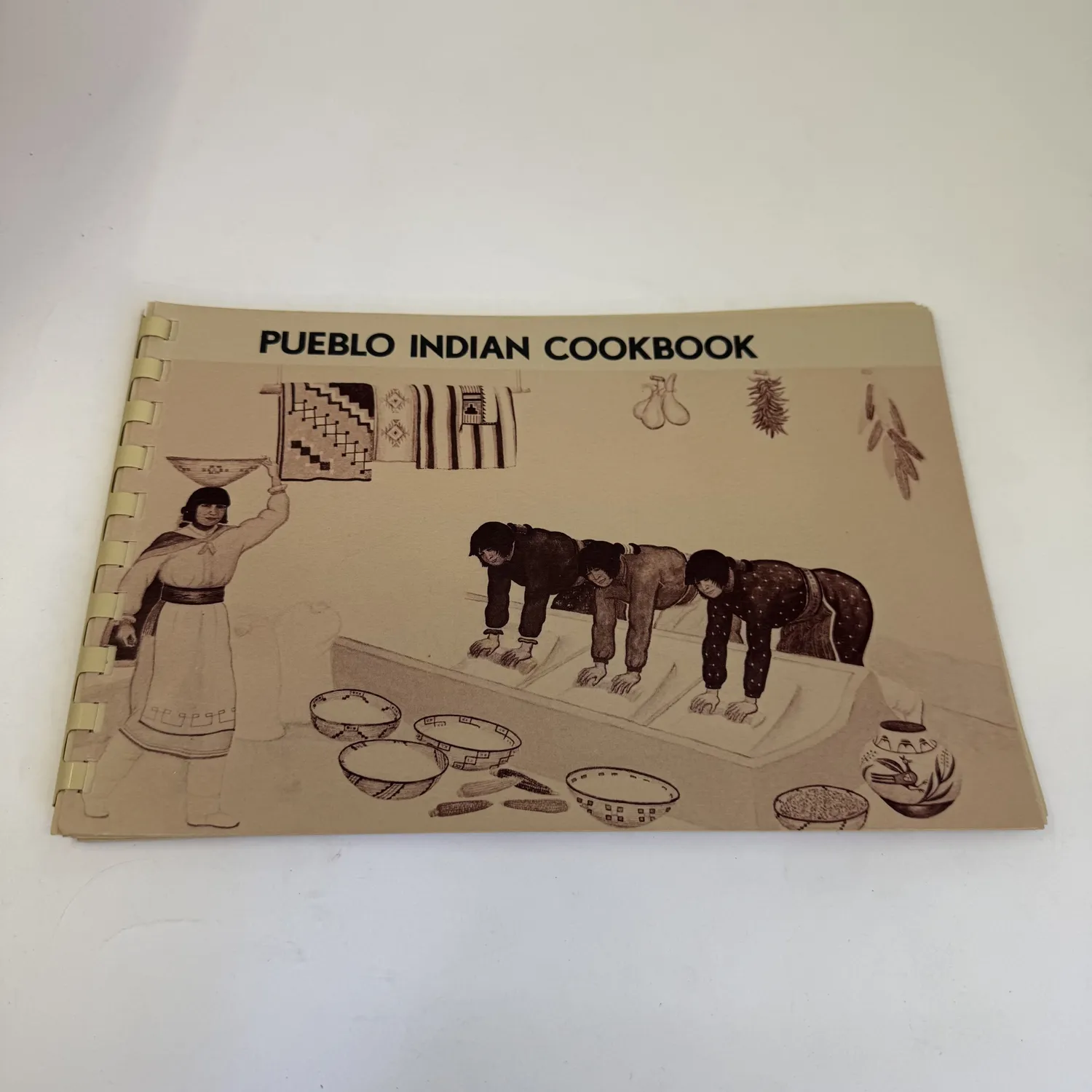
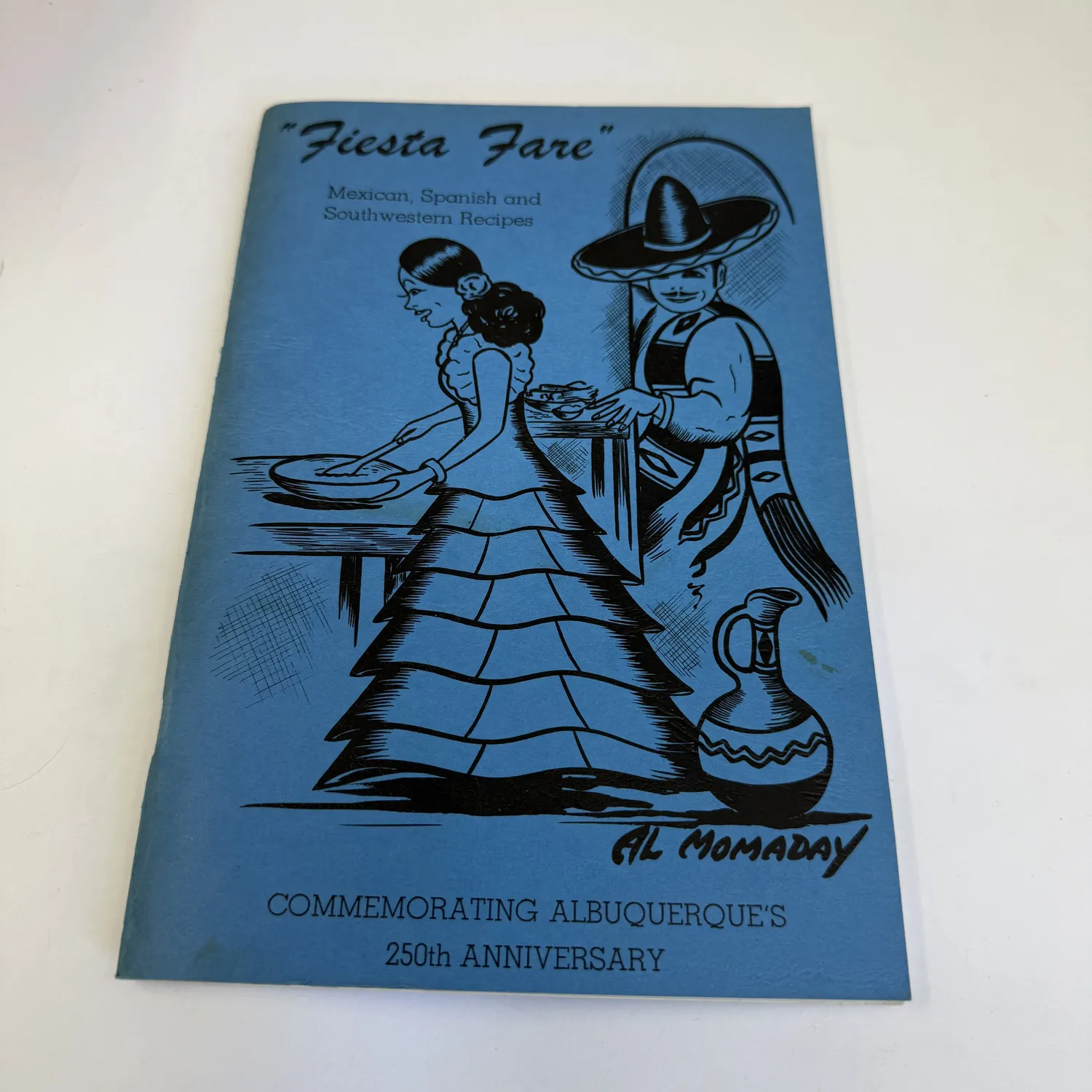
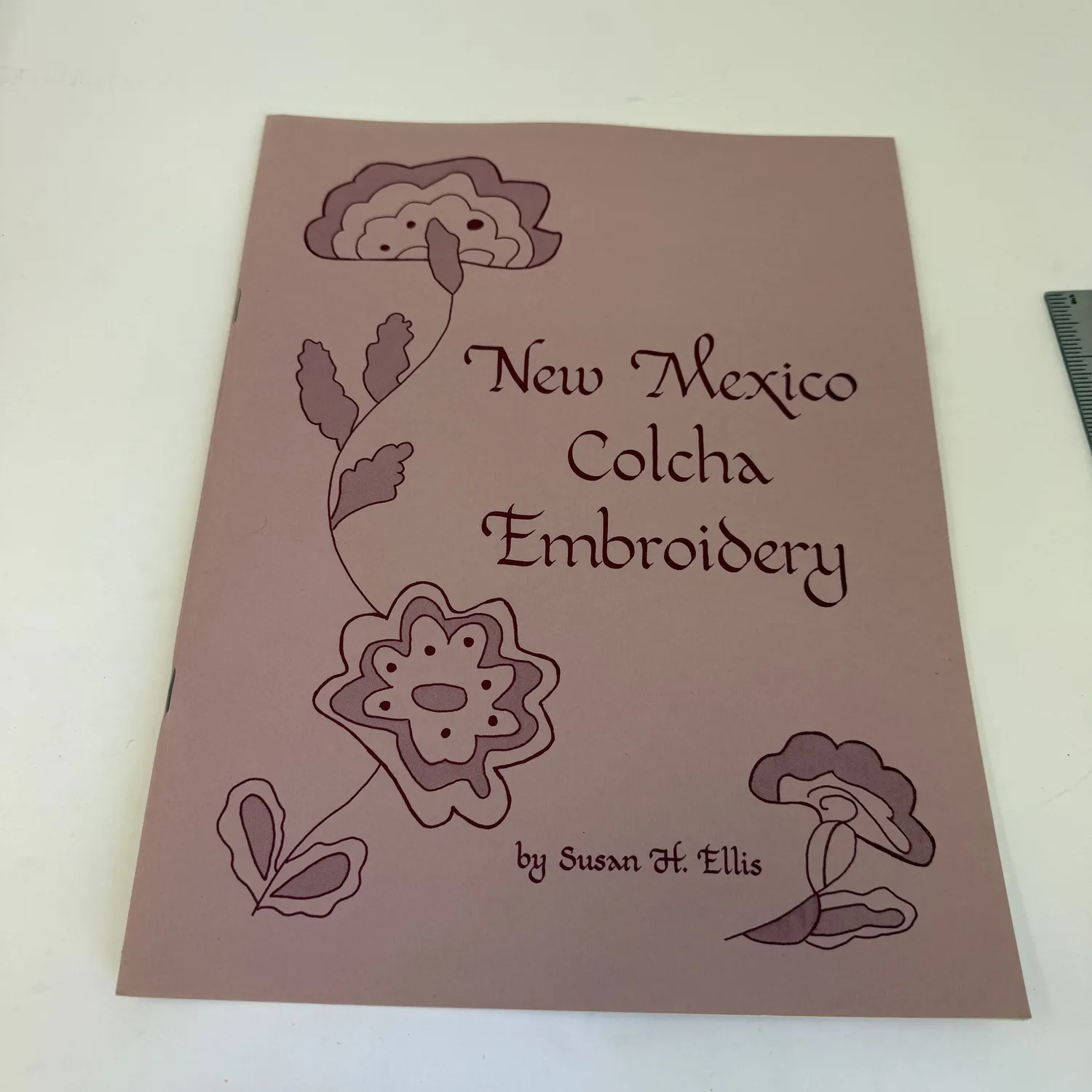
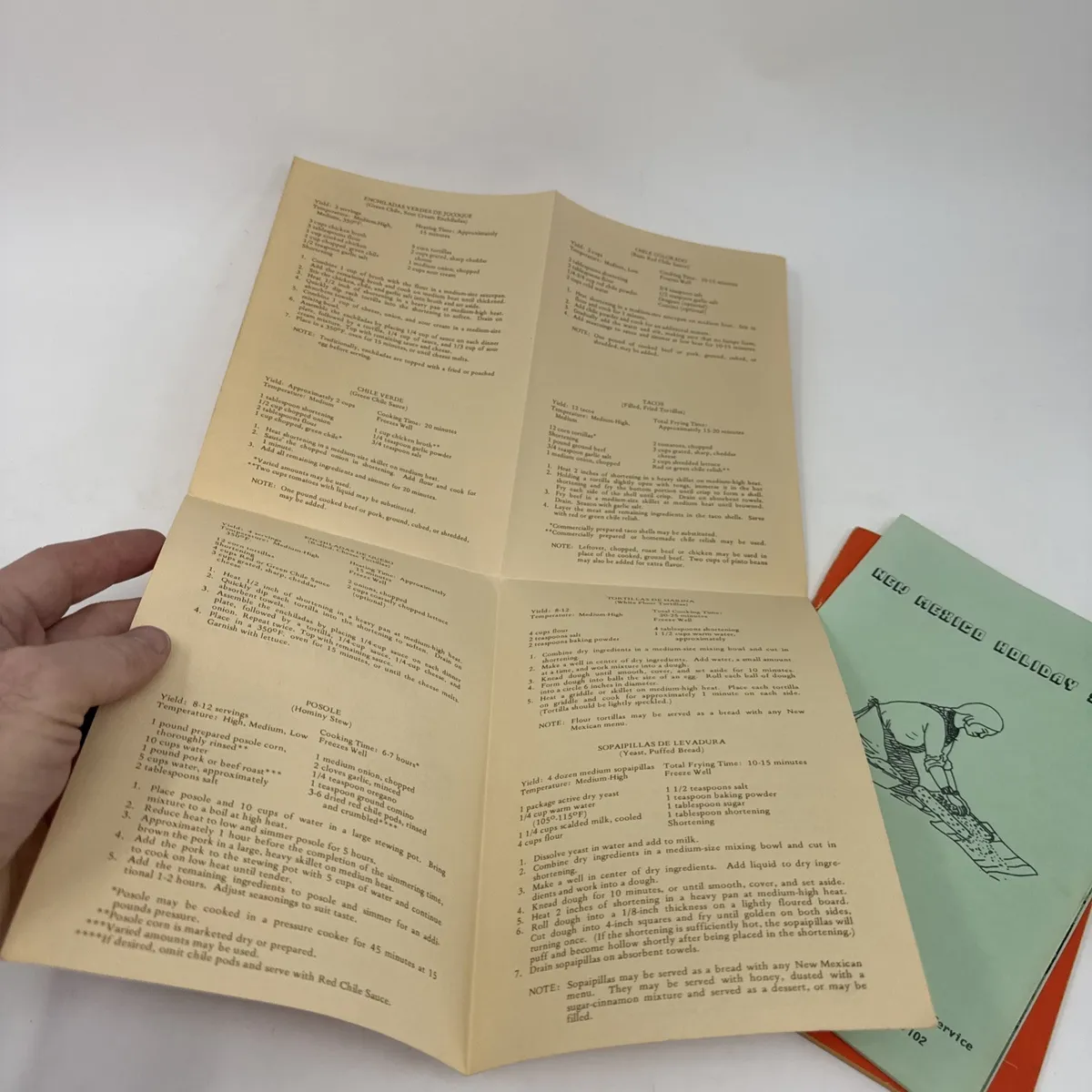
These three cookbooks came in on a single donor pickup this month. Saddle-stitched soft cover. No ISBN, no spine, no jacket, no obvious publisher imprint. The kind of object a chain-thrift sorter glances at and rejects in five seconds because it looks like a yard-sale throwaway.
What they actually are: Cocinas de New Mexico is a long-running regional cookbook series, originally produced in the 1970s as a Public Service Company of New Mexico (PNM's predecessor) promotional booklet. Multiple printings exist with different cover colors (tan, orange, green) and slight content variations. The companion volume New Mexico Holiday Show was published by the Bernalillo County Extension Service (then at 620 Lomas NW Albuquerque, NM 87102, phone 243-1386) for use in their annual cooking-and-canning demonstrations. None of these books carries an ISBN. None has a publisher's barcode. None will scan into a thrift-store inventory system.
Who wants them: regional cookbook collectors, food historians researching mid-century Hispanic cuisine in the Southwest, and people who collect pre-ISBN New Mexico publications. That audience is small and specific, which is exactly why a general thrift floor never connects with it.
Why the chains miss them: chain-thrift sorting depends on barcode scanning to value books. Anything without a scannable ISBN gets a default low price (a flat low price for "miscellaneous paperback") and either sits on the shelf until it cycles to outlet, or skips the floor entirely and goes to baled paper recycling. Either way, the people who would actually want the right printing never see it.
Why I see them: I sort books by hand and I know the regional NM ephemera category. When a saddle-stitched paper-cover something turns up in a donation, my first move is to look at the publisher line, the print location, the typography, and the imagery for regional clues. The Bernalillo County Extension Service address line is a tell. The PSC of New Mexico chile-character logo is a tell. The Diana Stetson-style cover calligraphy on regional titles is a tell. There are dozens of categories like this that the chains can't see and I can.
The same principle applies to about a dozen other categories of donation that are routinely condition-rejected at chain thrifts. The rest of this page documents them, with photos.
Twelve categories of donation I take that the chains routinely won't
Each category includes the structural reason chain thrifts reject it and what NMLP actually does with it.
 YES · Category 1
Regional government, extension service, and promotional cookbooks
Why the chains pass: no ISBN, saddle-stitched, looks like a 1970s yard-sale throwaway, no scannable barcode for the inventory system.
I take all of these. Cocinas de New Mexico (multiple Public Service Company of New Mexico printings), New Mexico Holiday Show (Bernalillo County Extension Service), NM State Fair Cookbook (any year), county-extension-service canning and food-preservation pamphlets, regional church and PTA fundraiser cookbooks, junior-league spirals. Through resale they reach NM food historians and regional cookbook collectors.
Reference: Collecting New Mexico Cookbooks — A Regional Reference Guide — the full Hispano-canon, Pueblo, and modern-NM-cuisine bibliographic context for what you have.
 YES · Category 2
Old encyclopedias (Britannica, World Book, Funk & Wagnalls)
Why the chains pass: 24-to-32-volume sets take a full shelf section, sell for almost nothing, and rarely move. Most chains stopped accepting encyclopedias twenty years ago.
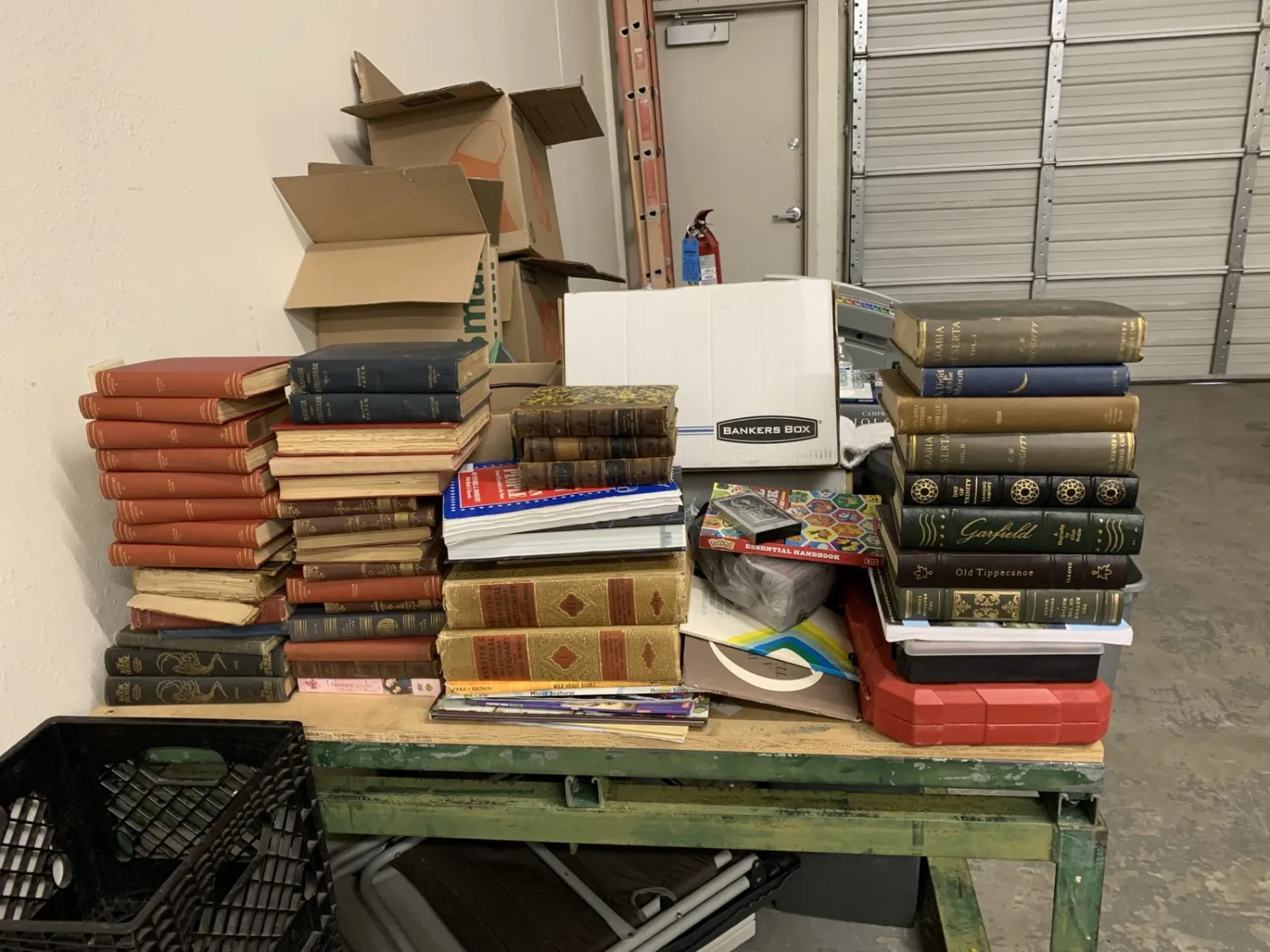
I take any encyclopedia in any condition. Older sets, such as the 1910–11 Britannica 11th edition, get set aside and handled with care. Usable volumes from mid-century Funk & Wagnalls and World Book sets go to crafters, art projects and Little Free Libraries. See what to do with old encyclopedias. The rest go to the regional pulp recycler. No tier of encyclopedia donation goes in the trash.
 YES · Category 3
Magazines, National Geographic runs, art-exhibition catalogs
Why the chains pass: magazines occupy floor space inefficiently, single issues sell for very little, multi-decade runs are too heavy to merchandise, and fragile glossy paper damages quickly in handling.
I take all magazines. Vintage National Geographic runs go to crafters and readers where they can (see are old National Geographics worth anything?). Modern bulk goes to glossy-paper recycling. Sunset, Audubon, Smithsonian, Architectural Digest, New Mexico Magazine back issues, El Palacio from the Museum of New Mexico, art-exhibition catalogs from MOIFA / NM Museum of Art / Harwood / Albuquerque Museum, regional small-press literary magazines — bring all of it.
 YES · Category 4
VHS, DVDs, audio cassettes, vinyl LPs and 45s, CDs
Why the chains pass: physical-media demand has collapsed since 2010; chains stopped accepting VHS first, then progressively trimmed cassettes, vinyl, and CDs from accepted-donation lists. Most ABQ chain thrifts now accept only "current" DVD/Blu-ray.
I take all four media categories, and every record gets a careful look, from rock and jazz LPs and 45s to regional Latino-label releases (Hurricane Records, Discos MM and others). I sort them by hand like the books; what can be resold funds the free service. The catch-all is the point: one box, every format.
 YES · Category 5
Mass-market paperback genre fiction (mystery, sci-fi, romance, western)
Why the chains pass: cover-creased, yellowed, perfect-bound paperbacks from 1970s–1990s genre lines (Harlequin, Bantam, Ballantine, DAW) get condition-rejected at the door because the chain's resale floor doesn't accept "shabby paperback."
I take the whole shopping bag. Mass-market paperbacks of mystery (Hillerman, Burke, McGarrity), western (Louis L'Amour mass), science fiction (Asimov, Heinlein, Le Guin paperback originals), regional NM-author paperback editions (Anaya Bless Me, Ultima Tonatiuh-Quinto-Sol paperback), and even mass romance get triaged: the in-genre titles go into Little Free Library stocks where regular readers actually pull them down and read them, the occasional first-printing in clean condition gets routed to specialty buyers, and the truly worn copies recycle. The rejection rate at chain thrifts on this category is functionally 100%; the rejection rate at NMLP is 0%.
 YES · Category 6
Yearbooks, scrapbooks, photo albums, personal journals
Why the chains pass: nobody at a chain thrift will price a stranger's high-school yearbook, and the books carry obvious personal-information privacy concerns the chains avoid.
I take yearbooks (any school, any year, NM and out-of-state both), scrapbooks, photo albums, and personal journals. NM yearbooks (Albuquerque High, Highland, Manzano, Sandia, Eldorado, La Cueva, Cibola, Valley, West Mesa, Rio Grande; Belen, Los Lunas, East Mountain, Bernalillo, Rio Rancho, Cleveland; UNM Mirage, NMSU, NM Tech) have a real audience among graduating-class alumni, and out-of-state yearbooks reach alumni the same way. Personal journals and photo albums go back to family when there's an identifiable name, and I look for a historical home when the content has local-history interest.
 YES · Category 7
Old textbooks (especially regional university press)
Why the chains pass: textbook editions cycle every 2–3 years; anything more than one edition out is functionally worthless on the chain-thrift floor and gets pulled.
I take old textbooks. Regional university-press textbooks (UNM Press, Univ Press of Colorado, Univ of Oklahoma Press, Univ of Arizona Press, Texas A&M) have continuing scholarly demand and are often required reading for grad seminars years after the chain thrifts have given up on them. Lab manuals, workbooks, and older printings of NM history, Spanish-colonial and Native American studies titles go back into circulation with students and readers. The truly out-of-date general-ed textbooks recycle. More in donating textbooks in Albuquerque.
 YES · Category 8
Sheet music, hymnals, music instruction
Why the chains pass: sheet music is fragile, doesn't shelve cleanly, and the typical chain-thrift sorter doesn't have the music-publishing knowledge to tell a common Hal Leonard piano book from an older Schirmer art-song collection that a musician is actively looking for.
I take sheet music, hymnals, choral arrangements, piano books, guitar tabs, and music instruction at every level. Vintage church hymnals find collectors and decorators. Older Schirmer / G. Schirmer / Boosey & Hawkes sheet music reaches musicians who want it. Music instruction texts (Suzuki method, Royal Conservatory ABRSM, etc.) get rehomed to music students and teachers.
Water-damaged, mold-stained, smoke-smelling, basement-musty books
Why the chains pass: damaged paper can't go on a retail shelf, contaminates handling areas, and the chains' downstream salvage doesn't have a route for moisture-damaged stock. Door-staff are trained to refuse on sight.
I take all of it. Water-damaged, moldy, smoke-smelling, basement-musty, bug-eaten, dog-chewed, age-yellowed — bring the stack. Some condition issues are surface-only and the underlying book is fine; those get rescued for resale or LFL stock. The unsalvageable goes to a regional pulp recycler that handles moisture-damaged paper, bindings, and boards as part of its standard process. No book goes to the landfill. This is one of the most-common reasons donors switch from a chain to NMLP: they have the basement library and they don't want to load it into the car twice.
 YES · Category 10
Outdated reference (almanacs, atlases, dictionaries, telephone books)
Why the chains pass: outdated reference is "dead inventory" by definition — a 1987 almanac or 1995 Rand McNally road atlas has no shelf-rotation potential.
I take outdated reference. Pre-1980 almanacs and atlases have specialty research and decorator value. Telephone books from any year over 25 years old are genealogical and local-historical research material (regional archives and museum libraries often collect old directories). Dictionaries get triaged: older bilingual NM-Spanish, regional Native American language references, and specialty technical dictionaries are kept; general-purpose 1990s desk dictionaries recycle.
 YES · Category 11
Religious devotional and theological ephemera
Why the chains pass: religious material is sensitive territory for chain-thrift display; pamphlet-format devotional ephemera doesn't shelve cleanly; older theological monographs sell slowly.
I take religious devotional and theological material. NM Catholic Spanish-colonial era materials (santeros literature, Penitente brotherhood references, archdiocesan Albuquerque historical publications) go to a regional archive when one will take them. Protestant denomination histories and missionary literature go to a denominational archive when one will take them. Pamphlet-format devotional material recycles when the doctrinal moment has passed.
 YES · Category 12
Saddle-stitched museum exhibition catalogs and conference programs
Why the chains pass: misclassified as "magazines" by chain-thrift sorters; no spine to display; no ISBN to scan.
I take all saddle-stitched ephemera. Museum exhibition catalogs from MOIFA, the NM Museum of Art, the Albuquerque Museum, the Harwood Museum (Taos), the Wheelwright Museum (Santa Fe), the Couse-Sharp Historic Site, the Roswell Museum, and the Las Cruces Museum of Art are scarce regional research material. Academic conference programs from Western History Association, AHA, MLA panels held in Albuquerque or Santa Fe are research provenance. Foundation annual reports, Kennedy Center for the Performing Arts NM-touring programs, regional arts-council publications — all of it.
Why "no condition limit" is the operating principle
Chain thrifts have to condition-reject at the door because their model depends on fast retail floor turnover. A 1995 Funk & Wagnalls set occupies the same shelf foot as a sweater and won't move; the staff member at the donation door has been trained to say no. That's not a moral failing of the chain — it's a structural consequence of the floor-rotation economics.
I run the opposite model. I'm an owner-operator with a warehouse, a van, and the time to triage. The marginal cost of saying yes to a donor's "weird" stack — the cocinas pamphlets, the moldy basement books, the Nat Geo run, the VHS box, the 1987 telephone book, the Bernalillo County Extension Service canning guide — is the time to drive there, load it, and sort it on the back end. The benefit is that a real share of New Mexico's regional paper ephemera reaches the people who actually want it instead of a bale.
The donor side of the equation is what matters most: the donor with the basement library, the parent's estate, the deceased grandmother's cookbook collection, or the moving truck-deadline shouldn't have to triage in advance to figure out which 30% of the stack a chain will accept and which 70% they'll have to take home or trash. The donor calls me, I show up, I take the whole pile, and I deal with the sorting on my end.
That's the entire offer. There's no premium tier, no minimum quantity, no condition criterion, and no judgment about what's in the boxes. If it's printed paper, vinyl, magnetic tape, or optical disc, I want it.
Frequently asked questions
What do you take that Goodwill won't?
The categories chain thrifts routinely turn away at the door: water-damaged, musty or smoke-smelling books, worn genre paperbacks, old encyclopedias, magazines and National Geographic runs, VHS tapes, cassettes, vinyl and older DVDs, yearbooks and scrapbooks, sheet music and hymnals, old textbooks, outdated reference like almanacs and phone books, religious pamphlets, and saddle-stitched cookbooks and catalogs with no ISBN.
Will you take a Cocinas de New Mexico cookbook or an old county extension pamphlet?
Yes. These are exactly what a chain-thrift sorter rejects in five seconds because they look like 1970s throwaways. The Cocinas de New Mexico series, Bernalillo County Extension Service booklets and other regional promotional cookbooks have a real audience among New Mexico food historians and cookbook collectors. Bring them all.
What if I'm not sure whether my books are worth keeping?
You don't have to decide. I don't appraise donations, and nothing needs to be pre-sorted. The donors most likely to lose something interesting are the ones who decide a box is junk and haul it to the dumpster. The Cocinas cookbooks at the top of this page came from a donor who was about to recycle the whole stack. Bring everything and I'll sort it by hand.
Do I need to box anything?
No. Loose stacks on the shelf, half-packed moving boxes, garbage bags, plastic bins, the milk crate from the basement: whatever they're in is fine. I bring a hand truck and do the carrying.
Is there a minimum?
No minimum. A single pamphlet from a kitchen drawer can go in the 24/7 drop box, and a 30-box estate library gets a free pickup scheduled by route. Either way it's free.
Do you take VHS tapes, DVDs, cassettes and vinyl?
Yes, all of them. Most chain thrifts stopped taking VHS and cassettes years ago and are picky about DVDs and CDs. I take every format in any condition, and they can go straight in the 24/7 drop box. More on the media donation page.
Do you take magazines and National Geographic runs?
Yes, any quantity. Most magazines are recycled after sorting; the issues people still want, including regional and specialty titles, go back into circulation.
Do you take old encyclopedias?
Yes. Britannica, World Book, Funk & Wagnalls, Compton's, Collier's, Americana, full or partial sets in any condition. Usable volumes go back into circulation and the rest is recycled as paper. No book goes to the landfill.
Will you take the moldy or water-damaged stack from the basement?
Yes. Damaged books are one of the main things chain thrifts reject. Bag visibly moldy books separately and mention them when you text, so they stay apart from clean donations. What can't be saved goes to a regional pulp recycler that handles moisture-damaged paper.
Where can I drop off instead of waiting for a pickup?
The covered 24/7 drop box outside the gate, near the road, at 5445 Edith Blvd NE, Albuquerque NM 87107, in the North Valley near Edith and Montaño. It takes books, media, cameras and clean, wearable clothing any time of day or night, no appointment needed. If it's full, text 505-250-3804 or come between 8 a.m. and 3 p.m., when someone is at the warehouse to help unload.
Can I send donations from outside Albuquerque?
Yes. Everything on this list can be mailed to me from anywhere in the US. Postage is donor-paid; books, records, CDs, DVDs and tapes qualify for USPS Media Mail. Pickup itself covers the Albuquerque metro only.
Are donations to NMLP tax-deductible?
No. NMLP is a for-profit Albuquerque book operation, not a 501(c)(3), and I never buy books. What you get instead is free pickup, no condition limit, and hand sorting. If a tax receipt matters to you, Friends of the Albuquerque Public Library is a 501(c)(3) that can issue receipts, with its own condition rules.
Can tools, electronics or household items come along on the same trip?
Yes. Books and media come first, and the rest rides along on the same Albuquerque-metro pickup: tools, cameras, small electronics, TVs and monitors in working condition, household items and clean, wearable clothing. Cameras and clothing can go in the 24/7 drop box with the books; tools, electronics, TVs, monitors and household items go on a pickup or come to 5445 Edith Blvd NE between 8 a.m. and 3 p.m., when someone is there to help unload.
How do I schedule a pickup?
Text 505-250-3804 with your address and a rough idea of what you have, and I'll add you to a pickup route in your part of the Albuquerque metro. No minimum quantity, no condition limit. Or use the free pickup form.
Bring me what looks like trash. I'll sort it.
Free Albuquerque-metro pickup, scheduled by route, or the 24/7 drop box outside the gate at 5445 Edith Blvd NE. No minimum, no condition limit, no sorting required.
Related on this site
Not in town? Everything on this yes-list is mailable. If the local chains near you would say no, the mail says yes. Donate books by mail →